

 9 hours ago
1
9 hours ago
1
PROTECT YOUR DNA WITH QUANTUM TECHNOLOGY
Orgo-Life the new way to the future Advertising by AdpathwayWeather can change quickly, particularly on long rides and multi-day tours. That makes a waterproof jacket one of the most important pieces of cycling clothing you can own.
Waterproof rain jackets are just as important for staying warm as they are for staying dry and comfortable. When your clothing gets wet, your body loses heat much faster. Water conducts heat around 25 times more effectively than air, drawing warmth away from your skin far faster than dry clothing. Add the cooling effects of wind and evaporation, and you quickly realise that staying dry is key to staying warm.
When an older waterproof jacket stops keeping you dry, it’s easy to assume that it has simply “worn out”. In reality, most waterproof jackets can regain much of their original performance with the right care and maintenance.
In this article, you’ll learn why waterproof jackets stop working, how to restore their performance, and what you can do to stay drier on the bike.
Why Waterproof Cycling Jackets Stop Working
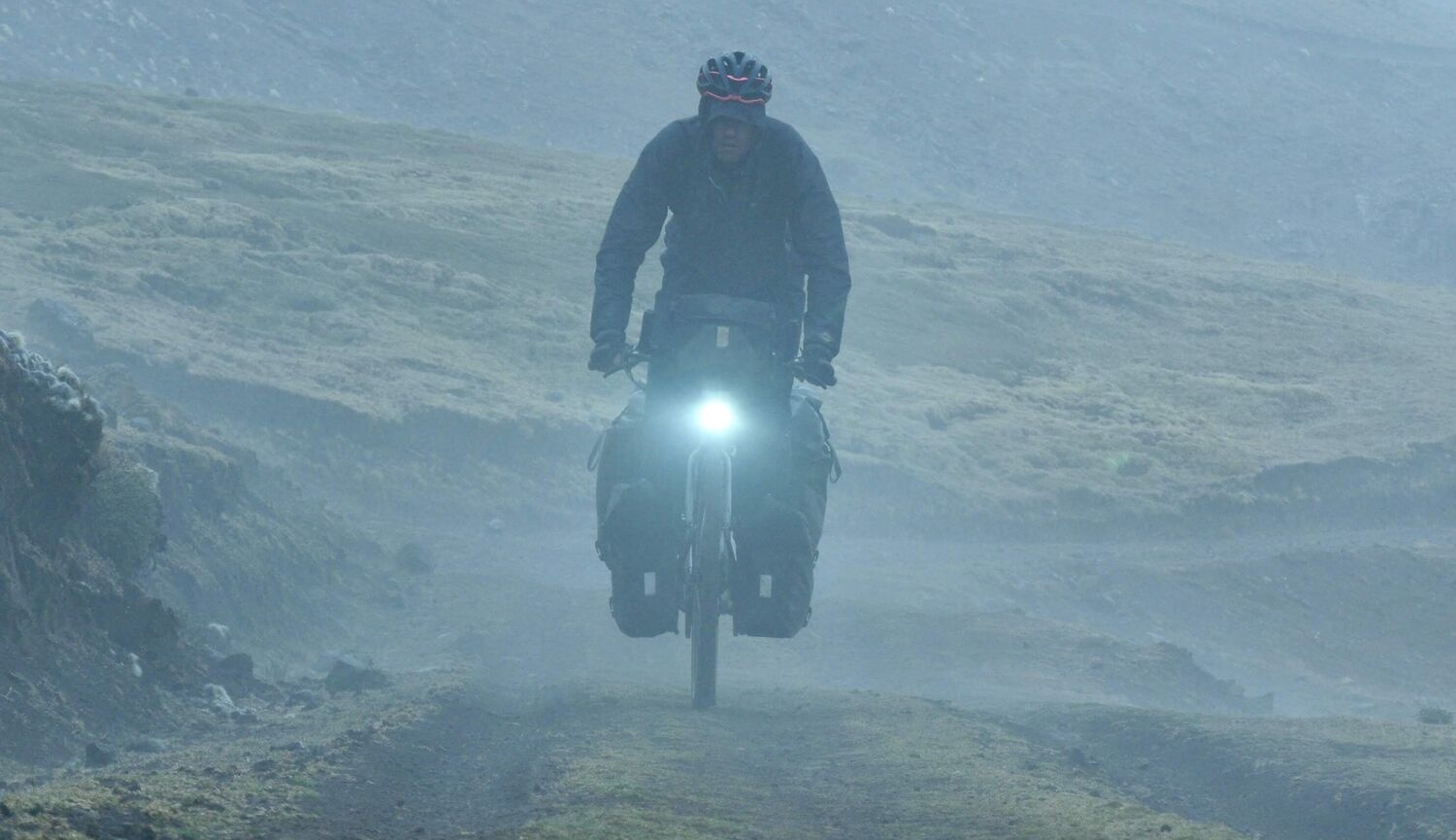
If you’ve ever finished a rainy ride soaked in sweat, you might think your waterproof jacket has failed. In many cases, the jacket hasn’t failed; it simply needs a good clean.
Sweat, body oils, sunscreen, insect repellent and everyday grime can build up on the inside of a waterproof jacket, interfering with the membrane’s ability to transport moisture vapour. A thorough clean can remove this buildup and help restore much of the jacket’s original breathability.
But wait… what exactly is a waterproof membrane?
What Is a Waterproof Membrane?
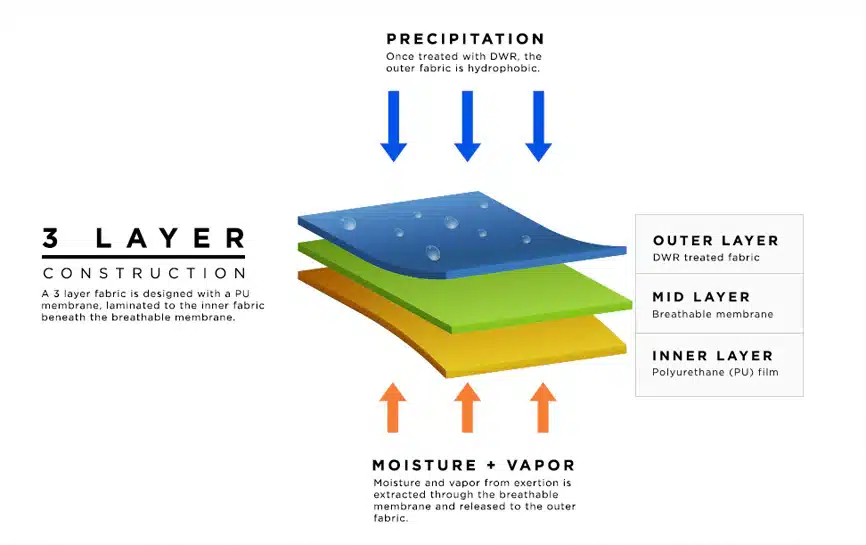
The waterproof membrane is what makes the jacket waterproof, and it’s usually bonded between the outer fabric and an inner layer. Some membranes are microporous, containing millions of microscopic pores per square centimetre. These pores are small enough to prevent liquid water from passing through while allowing water vapour to escape.
Most quality cycling rain jackets use either a 2.5-layer or 3-layer construction. A 3-layer jacket uses a full inner fabric layer laminated to the membrane, providing greater durability and protection. A 2.5-layer jacket replaces this inner layer with a thin protective coating, reducing weight and making the jacket more packable.
Contrary to how they’re often marketed, waterproof membranes don’t really “breathe”. A more accurate description is that they are moisture permeable. Water vapour moves through the membrane because of a difference in vapour pressure between the inside and outside of the jacket. In simple terms, warm, humid air inside your jacket tends to move towards the cooler, drier air outside.
This means waterproof membranes work best when:
- It’s cool and relatively dry outside.
- It’s warm and humid inside the jacket.
- The outer fabric remains dry (this will be important later in the article).
When it’s actively raining, the air outside is often close to saturation, reducing the vapour pressure difference across the membrane. However, because the air inside your jacket is usually warmer and more humid, water vapour can still move through the membrane, albeit at a slower rate.
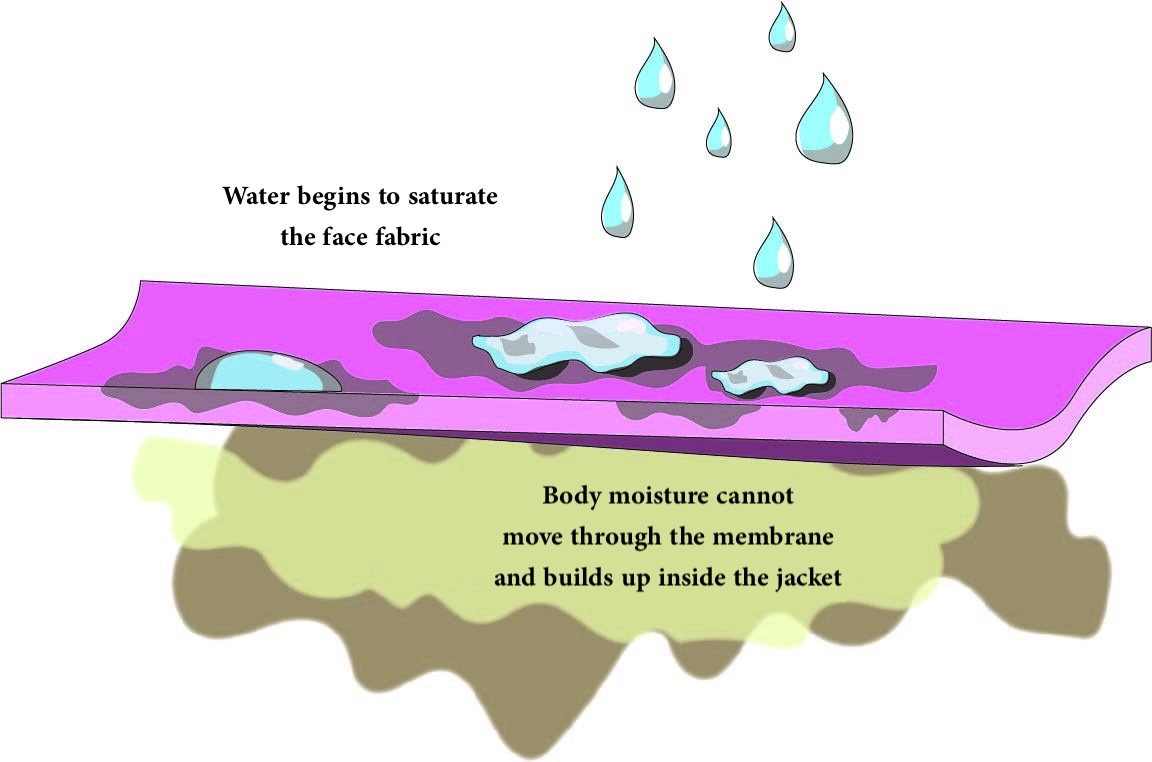
Even if your jacket is perfectly clean, it may still not be working effectively. This is likely because the outer fabric has become saturated with water – a process known as wetting out.
When the outer fabric is soaked, it becomes much harder for moisture vapour to escape through the membrane. The resulting reduction in the vapour pressure difference across the membrane can cause sweat to build up inside the jacket.
So, the next thing we need to do is prevent wetting out.
How To Make Your Waterproof Jacket Actually Work
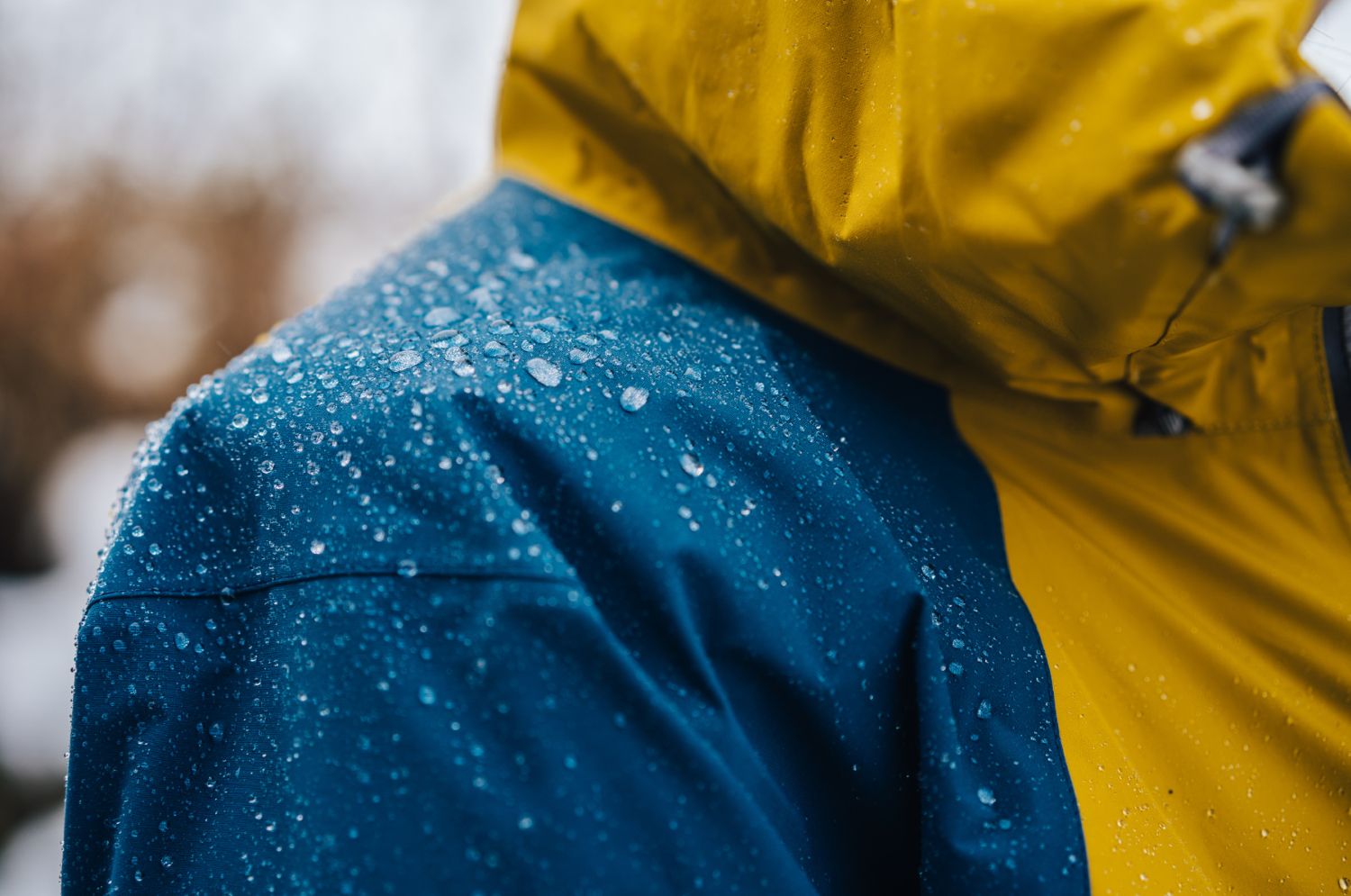
Applying a Durable Water Repellent (DWR) treatment involves treating the outer fabric of a waterproof jacket with a water-repellent chemical. It coats the individual fibres of the face fabric, increasing the contact angle of water droplets. This causes rain to bead up and roll off the surface rather than soaking into the fabric, helping to prevent wetting out while leaving the spaces between the fibres open for moisture vapour to pass through.
DWR coatings gradually wear away through abrasion, repeated washing and regular use. If you regularly carry a backpack or hydration pack, you can also expect the treatment to wear faster around the shoulders.
When the DWR has worn away, you can restore it with either a spray-on or wash-in treatment. Both can work well, although I’ve personally had excellent results using Nikwax wash-in products because they’re easier to apply and typically get a more even coating across the jacket.
How To Clean Your Jacket
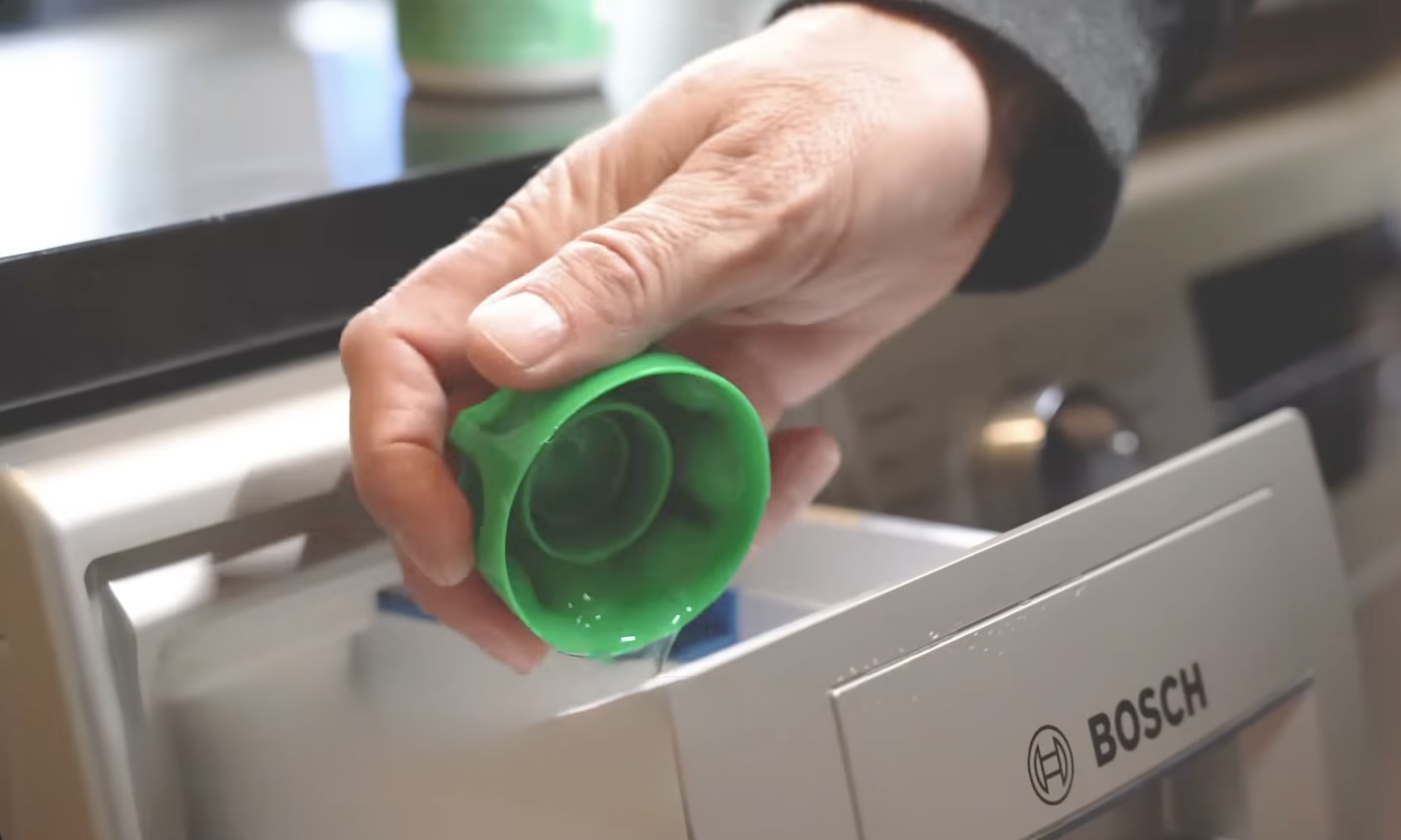 It’s easy to clean and add DWR. Simply pour the liquids directly into your washing machine drawer and run a cycle.
Cleaning removes sweat, body oils, sunscreen, insect repellent and grime that can affect the jacket’s breathability, and adding DWR after restores the water-repellent finish on the outer fabric. Think of it like waxing a car: you always wash it before applying the wax.
Avoid using household detergent to clean waterproof jackets wherever possible. Conventional detergents can contain additives such as fabric softeners and brighteners that leave residues on the fabric, which can interfere with the jacket’s breathability and DWR finish. Fabric softeners are particularly problematic because they coat the fibres and can significantly reduce water repellency.
For cleaning, I use around 50 ml of Nikwax Tech Wash per garment. It’s designed specifically for waterproof clothing and cleans the fabric without leaving the residues associated with conventional detergents. At the quantities I typically buy, this works out to around $1–2 per jacket.
Tech Wash is available in bottles ranging from 300 ml (US $11 on Amazon) to 5 litres (US $113 on Amazon).
Before washing, I thoroughly clean out the detergent drawer and run an empty rinse cycle through the washing machine to flush out any remaining detergent or fabric softener. I then zip up all the zippers, fasten any Velcro tabs, and put the jacket and Tech Wash into the machine.
How To Apply A DWR Coating
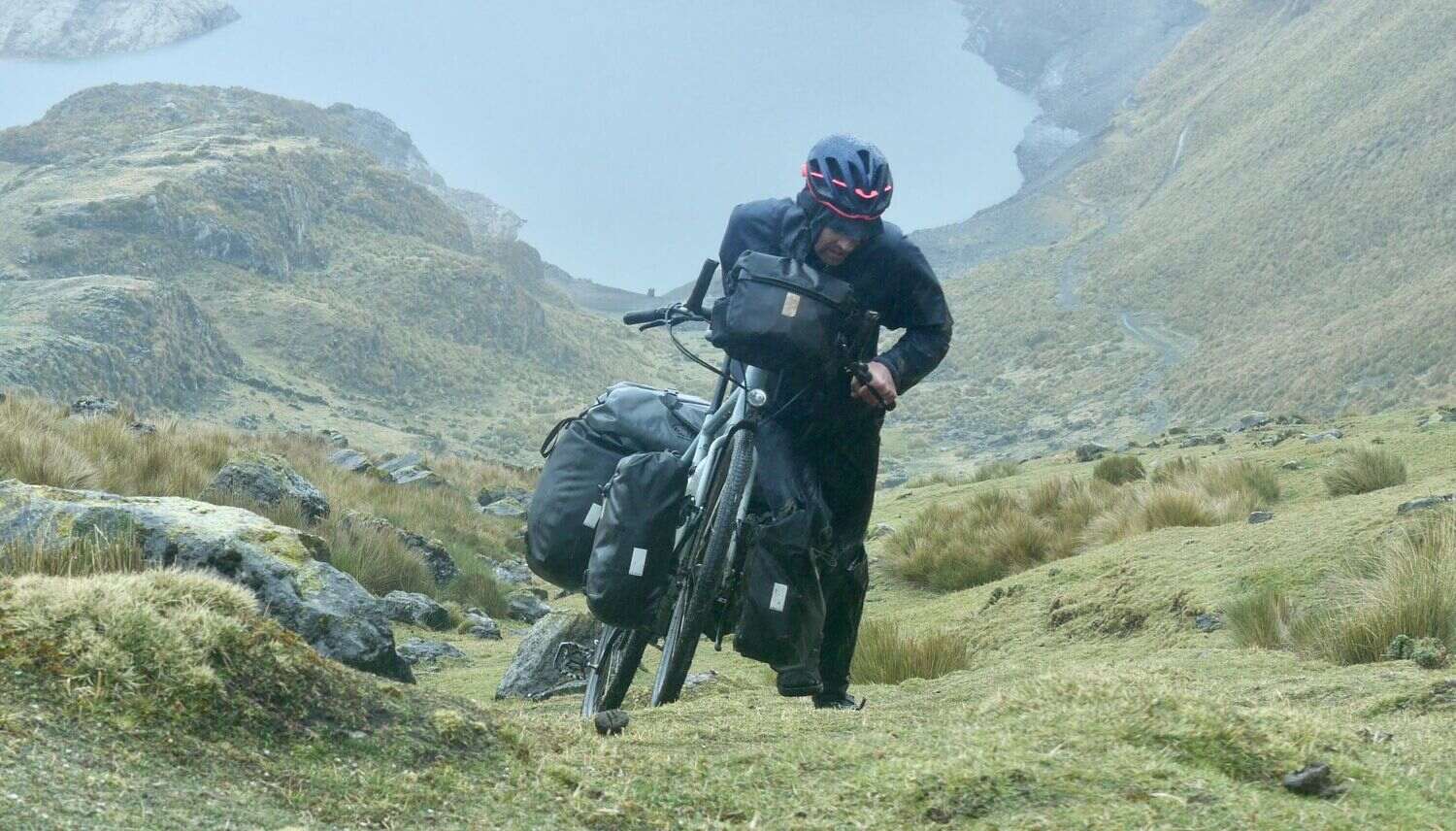
For the DWR treatment, I use 100 ml of Nikwax TX Direct in the washing machine and run a 30-minute cycle with my jacket inside. At the quantities I typically buy, this works out to around $2.50 to $5.00 per garment.
TX Direct is available in bottles ranging from 300 ml (US $15 on Amazon) to 5 litres (US $130 on Amazon).
Afterwards, I allow the jacket to dry according to the manufacturer’s instructions and then apply gentle heat if recommended. Heat can help activate and improve the durability of some DWR treatments. Depending on the product and jacket, this may mean around five minutes in a tumble dryer on low heat or gentle ironing through a cloth. Always follow the care instructions for your particular jacket and DWR treatment.
How Often Should You Apply DWR To Your Jacket?
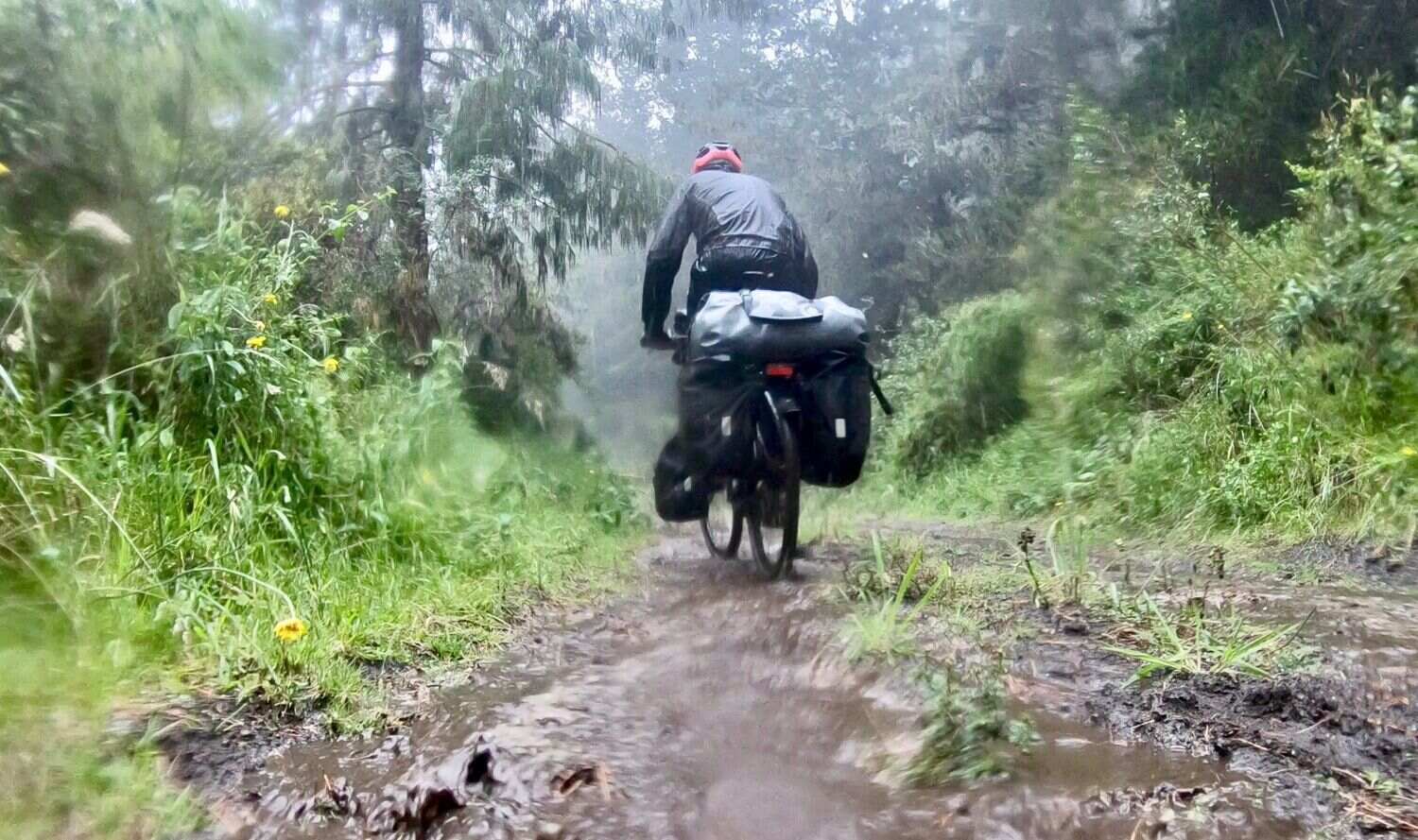
Cleaning and applying DWR go hand in hand, but you don’t necessarily need to add DWR to your jacket every time you wash it. If water still beads up and rolls off the outer fabric, there’s no need to add DWR yet. If the fabric absorbs water rather than repelling it, it’s time to restore the DWR.
The optimal coating interval depends on how frequently you use your jacket and the conditions you ride in. I typically only add DWR to my waterproof gear with Nikwax TX Direct once or twice a year.
That said, simply keeping your jacket clean will significantly improve its ability to move moisture. And if your rain jacket is covered in mud, it’s worth rinsing it off before storing it. Dried mud can be abrasive and may accelerate wear of the DWR coating.
Ventilation Beats Any Membrane
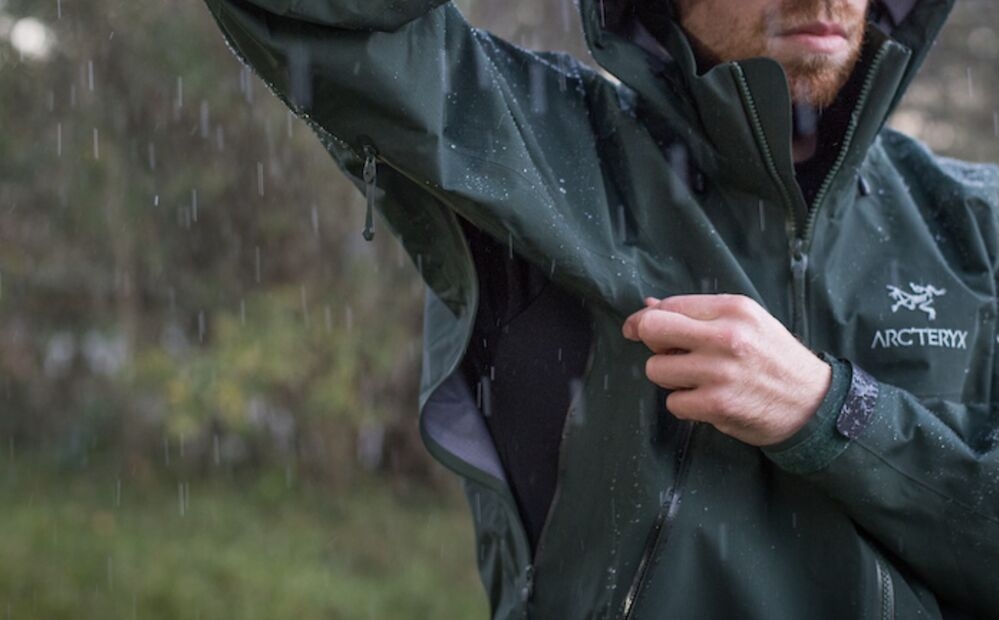 Pit zips are a great way to dump warm air and moisture in a waterproof cycling jacket.
We’ve now covered how to keep your jacket functioning as well as possible, but here’s the deal: no waterproof membrane can move moisture as effectively as fresh air. Even a perfectly maintained waterproof jacket has its limits.
A cyclist climbing at moderate to high intensity can produce hundreds of grams of sweat per hour – far more moisture than a waterproof membrane can transport. Eventually, you’ll become wet from the inside, and once your base layers are soaked, even the best waterproof fabrics will struggle to catch up.
That’s why ventilation is so important. Simply opening your front zip slightly during a long climb can release a surprising amount of heat before sweat has a chance to build up. Likewise, removing an insulating layer, easing your pace slightly, or increasing airflow early (before you overheat!) will often keep you much drier than relying on the jacket alone.
When choosing a cycling rain jacket, look for features that allow humid air to escape directly. Pit zips are particularly effective, while chest vents, rear exhaust vents and two-way front zippers can also provide useful additional ventilation.
Don’t Forget Softshell Jackets & Ponchos
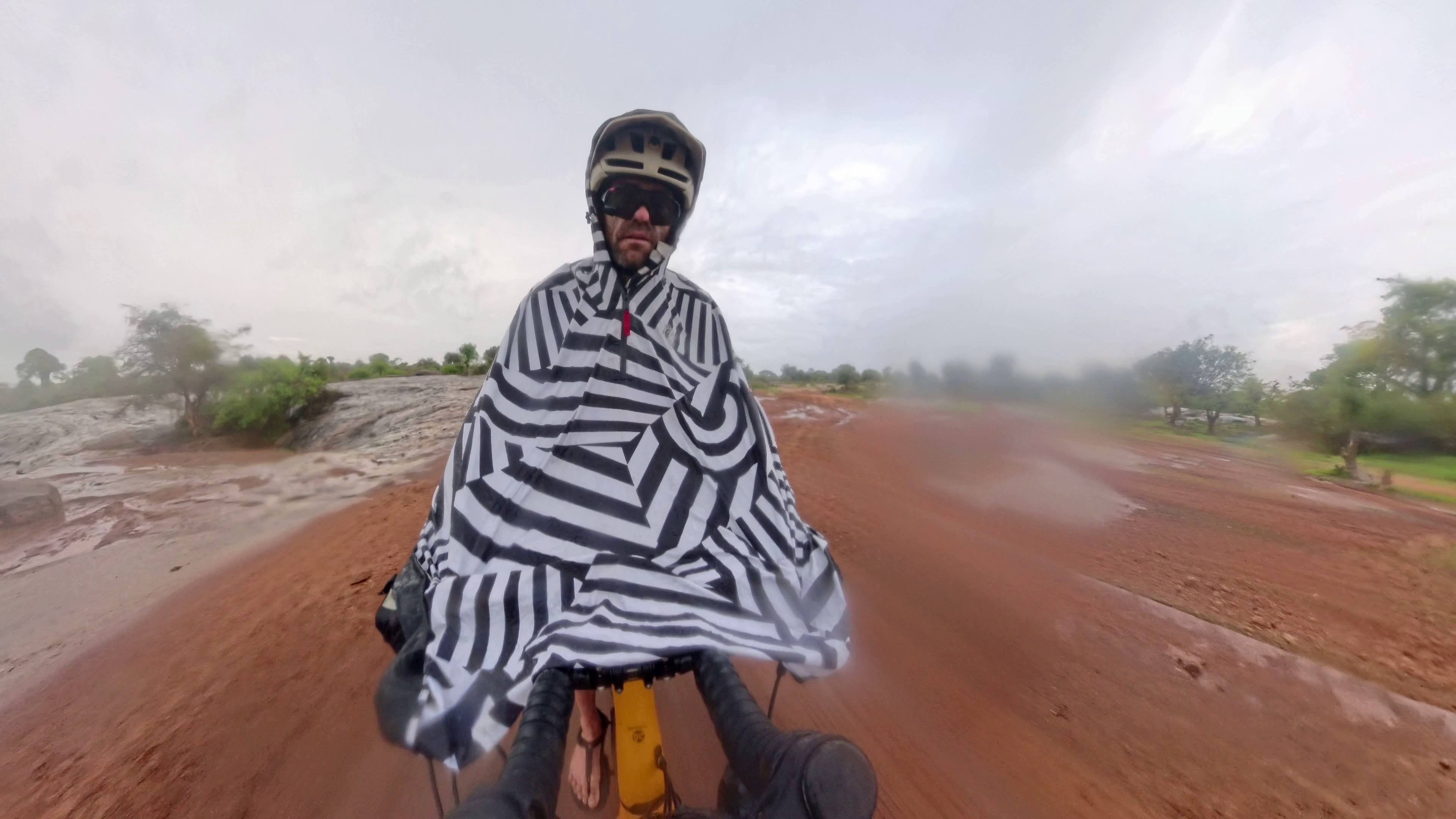 Heavy downpours in Tanzania are best dealt with using a poncho rather than a waterproof rain jacket.
Sometimes the best solution isn’t a waterproof jacket at all. Every jacket design involves a trade-off between waterproofing, moisture management and ventilation. The trick is choosing the right compromise for the conditions you’ll be riding in.
Riders expecting long hours of cold, persistent rain will want to prioritise waterproofing. But those riding hard in milder or changeable conditions may be better off sacrificing some rain protection in exchange for much better moisture management.
Softshell jackets allow air and moisture to pass through the fabric much more freely than waterproof jackets. They’re often the better choice for high-intensity riding, where overheating can be a bigger concern than staying completely dry. I frequently apply DWR to my softshell wind jacket, which helps water bead up and roll off the surface.
Ponchos, on the other hand, can be an excellent choice for cycling in hot, humid climates. They keep your legs and even your shoes dry while allowing plenty of airflow underneath to help you stay cool. I use a Cleverhood Rover Rain Cape for most of my adventures.
However, ponchos can be miserable in cold or windy conditions. They ventilate so well that you can quickly become cold, and strong winds can cause them to flap around and catch the wind.
Summary
Keeping your jacket clean, regularly restoring its DWR treatment and using ventilation effectively will help ensure that whichever jacket you choose performs as well as possible when the weather turns against you. The performance of a clean, well-maintained $100 jacket can easily be better than that of a poorly maintained $500 jacket.
If you’ve cleaned and applied DWR to your jacket and you’re still getting excessively sweaty inside, the problem may not be the jacket at all. You may simply be producing more heat and moisture than it can move away. In that case, consider switching to a softshell or windproof jacket treated with DWR.
And for hotter and more humid conditions, a poncho will be an even better option.
You can support my content by purchasing your cleaning and DWR products on Amazon. It’s at no cost to you and allows me to continue creating high-quality resources:
Click HERE for Nikwax Tech Wash (for cleaning your jacket)
Click HERE for Nikwax TX Direct (for applying a DWR layer)












 English (US) ·
  French (CA) ·