

 1 day ago
1
1 day ago
1
PROTECT YOUR DNA WITH QUANTUM TECHNOLOGY
Orgo-Life the new way to the future Advertising by Adpathway Photos provided by Scott unless otherwise noted.
The Scott Spark is the mountain bike that Nino Schurter rode to countless World Cup wins, and today it’s getting a major update with new ride dynamics and some frame design features we haven’t seen before.
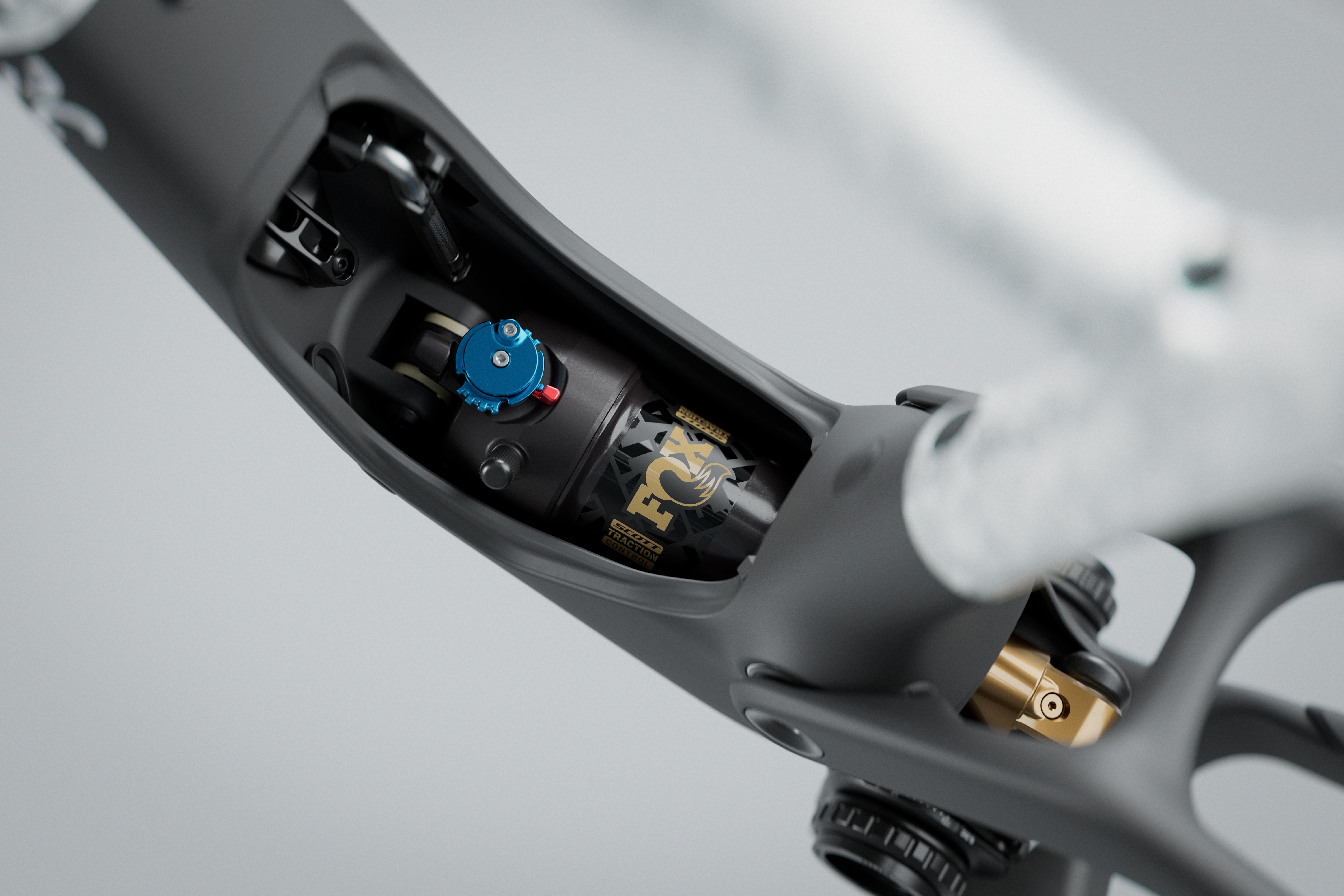
The latest Scott Spark RC keeps the protected shock design that Scott is known for, tucking the rear shock inside the frame just above the bottom bracket. One of the advantages of this design is that it moves much of the frame weight lower on the bike for improved handling and weight distribution. Scott says this allows them to remove material from other parts of the front triangle — like shock mount points — for a lighter overall frame weight.
Another advantage of the protected shock design is, well, protection for the shock and pivot points. The shock area is covered at the top and back with removable panels held in place with clips and magnets. The covers are surprisingly simple to remove by hand and feel secure when locked in place. And in case you’re wondering, Scott has designed easy-to-read sag and travel indicators. The new and improved Scott Spark RC is also designed to fit “any standard XC shock.”

A new flex-stay suspension design
Like many XC race bikes, the Scott Spark RC, with 120mm of suspension travel front and rear, has moved to a flexstay design to save weight and reduce complexity. Previously, the Scott Spark RC design placed a pivot point on the seat stay just above the bottom bracket.
“Our flex pivot system is no ordinary kinematic,” Scott wrote in a press release for the Spark RC. “The kinematic is designed in a way that ensures minimal deflection of the flex pivot to keep the suspension active, and the necessary flex that is present, happens only towards the end of travel, working with the shock air spring to ensure a predictable bottom out.”
Spark RC builds come with a 120mm fork, though Scott says the bike can run a fork with up to 130mm of suspension travel.
Octopus-like headset routing, smart bottle mounts, and added storage
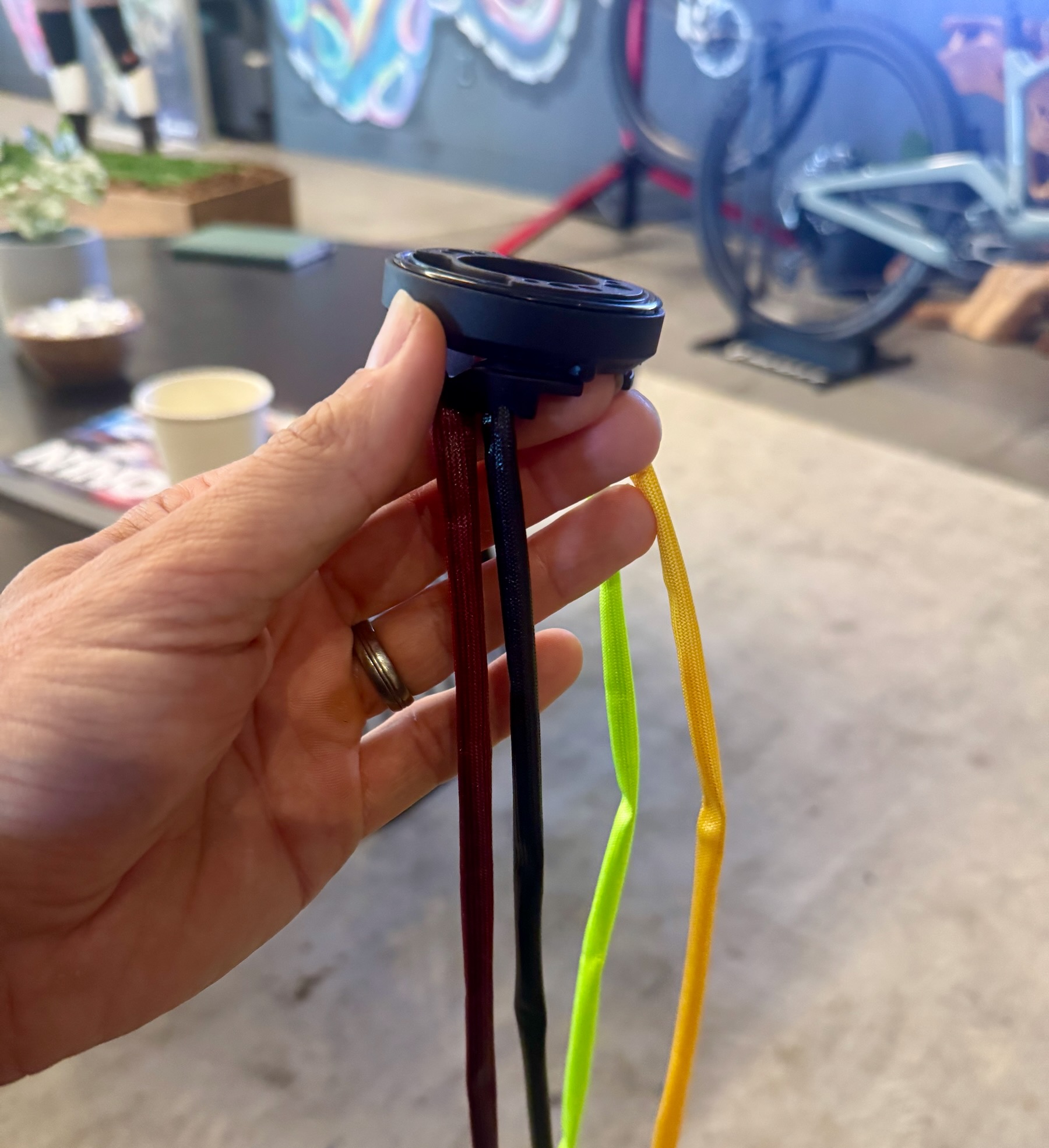
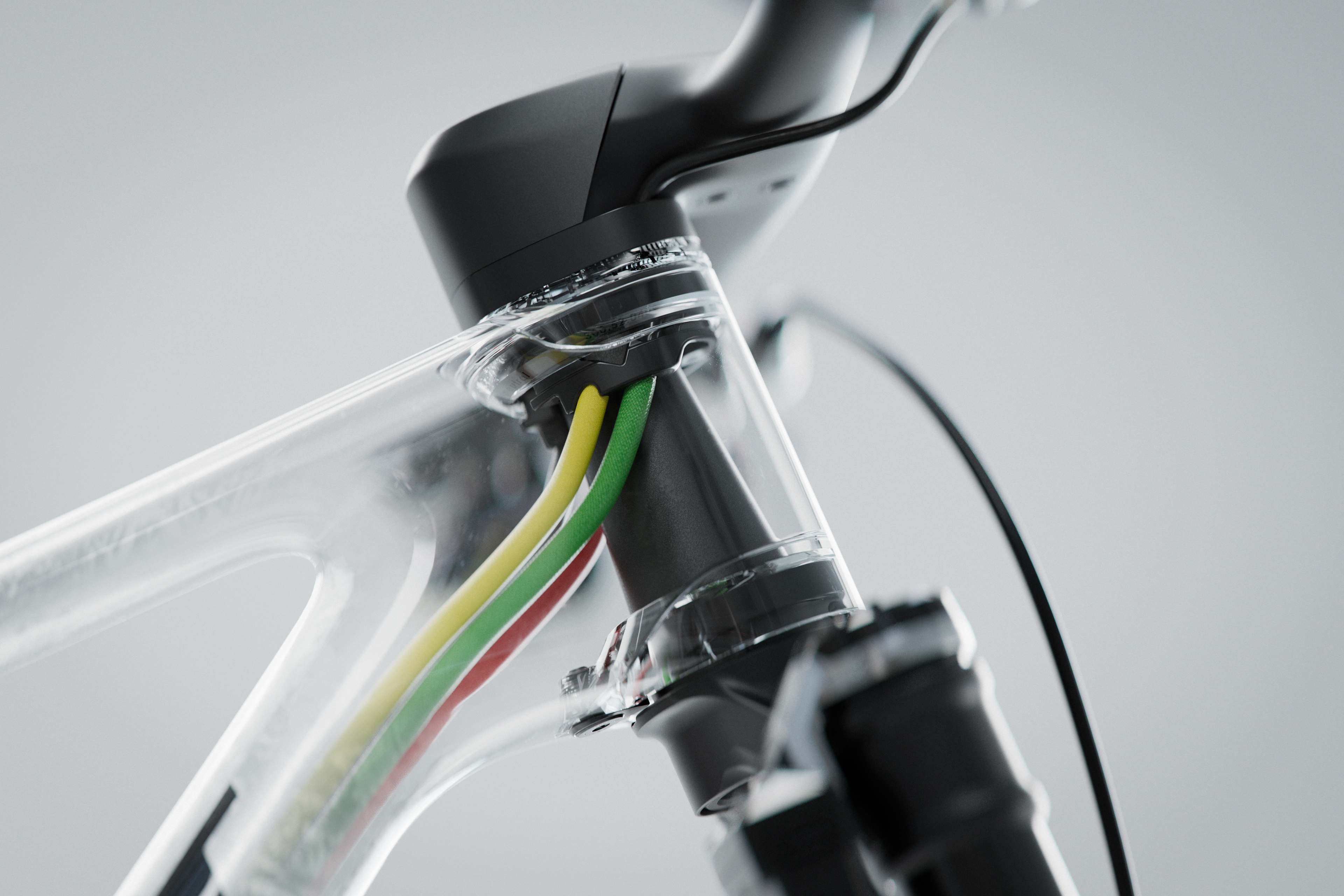
One of my favorite Spark RC features is a headset routing design called Octopus Cable-Routing Technology, or Syncros OCT for short. Most riders will agree that headset routing is a pain, so the Syncros headset features continuous, color-coded pathways that promise to make installing cables and hoses easier. The upshot, once everything is in place, is a cockpit that looks both clean and fast.
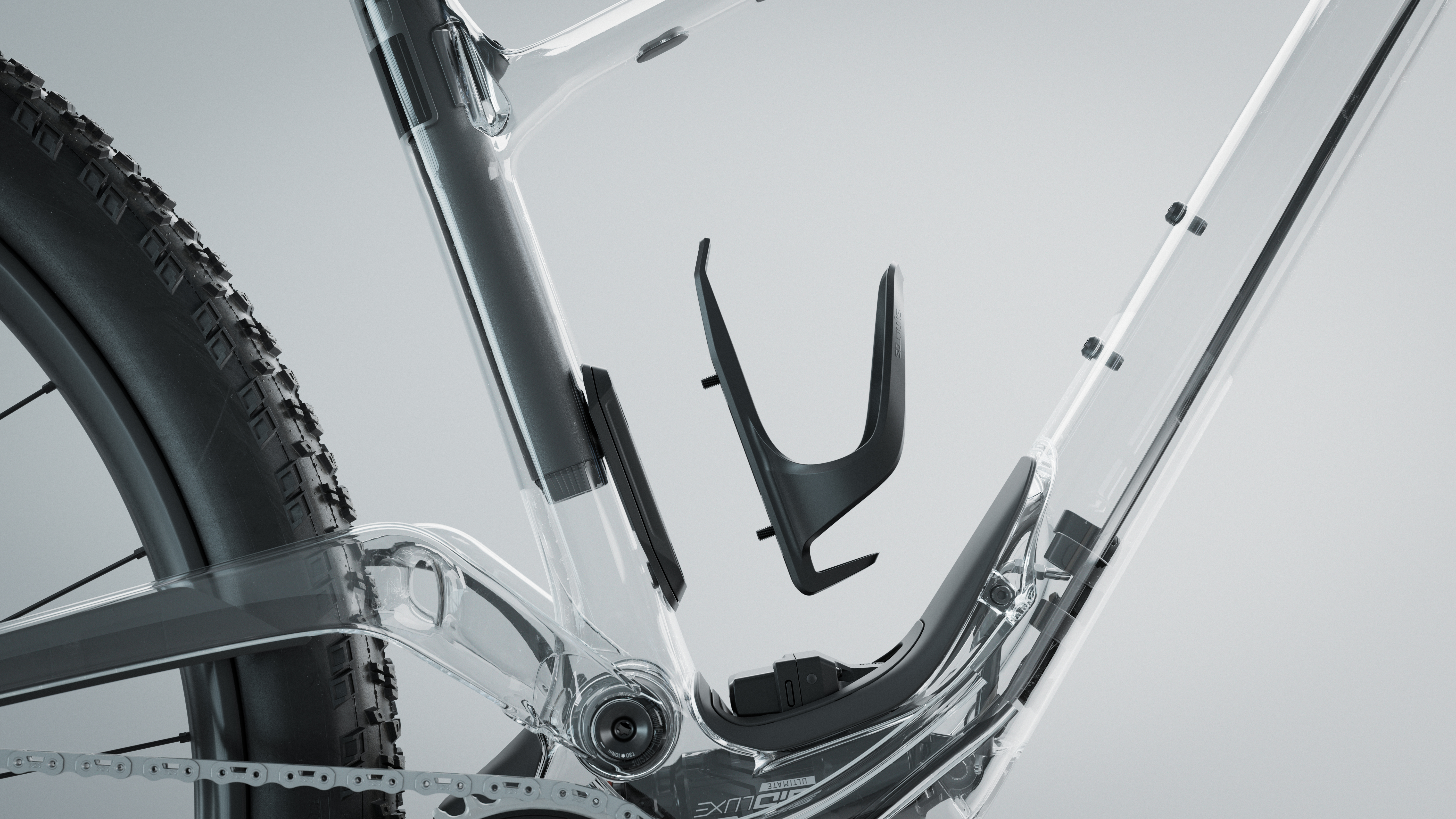
The Scott Spark RC features two bottle mounts inside the front triangle. Scott set the threads for the seat-tube bottle mounts outside the frame to provide an uninterrupted seat tube to fit longer droppers. The upshot is that even size small Scott RC bikes should fit a 150mm dropper post, and larger frame sizes can fit posts with up to 200mm of travel.

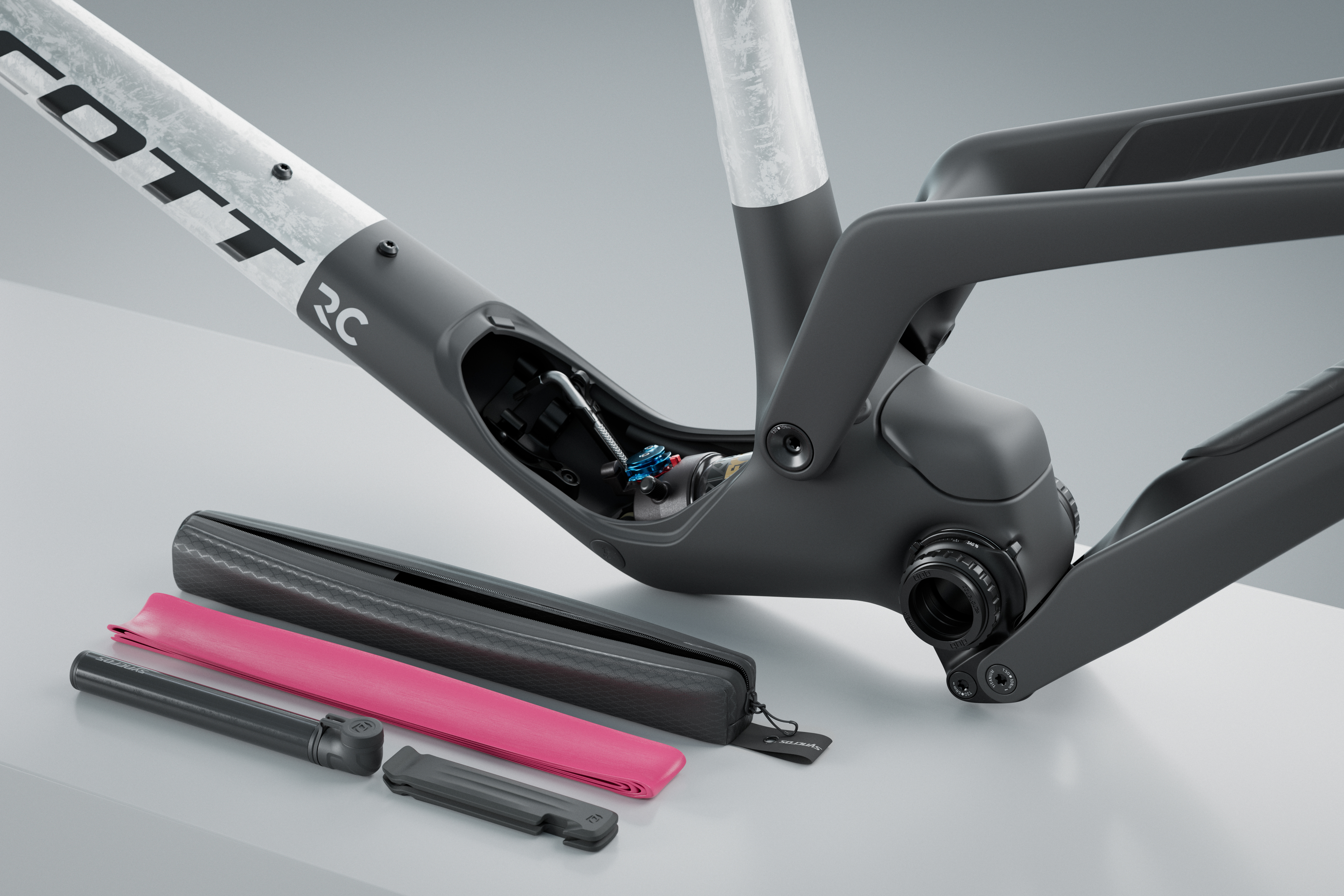
In addition to the two bottle mounts, Scott provides a set of accessory mounts on the underside of the top tube, as shown in the photo above. And when it comes to storage, that’s not all. Select Spark models feature Save-the-Day storage, essentially an in-frame storage system that’s accessible when the shock’s top cover is removed.
It’s unlikely riders will make use of this feature on race day, though for training rides it’s a nice option. For that reason, Scott has designed their system to be removable. “Internal storage components can be removed, cable guides are modular,” the brand wrote. “This allows the bike to be configured for pure race-day use, unlocking up to 100 grams of additional weight savings compared to a fully equipped frame.”
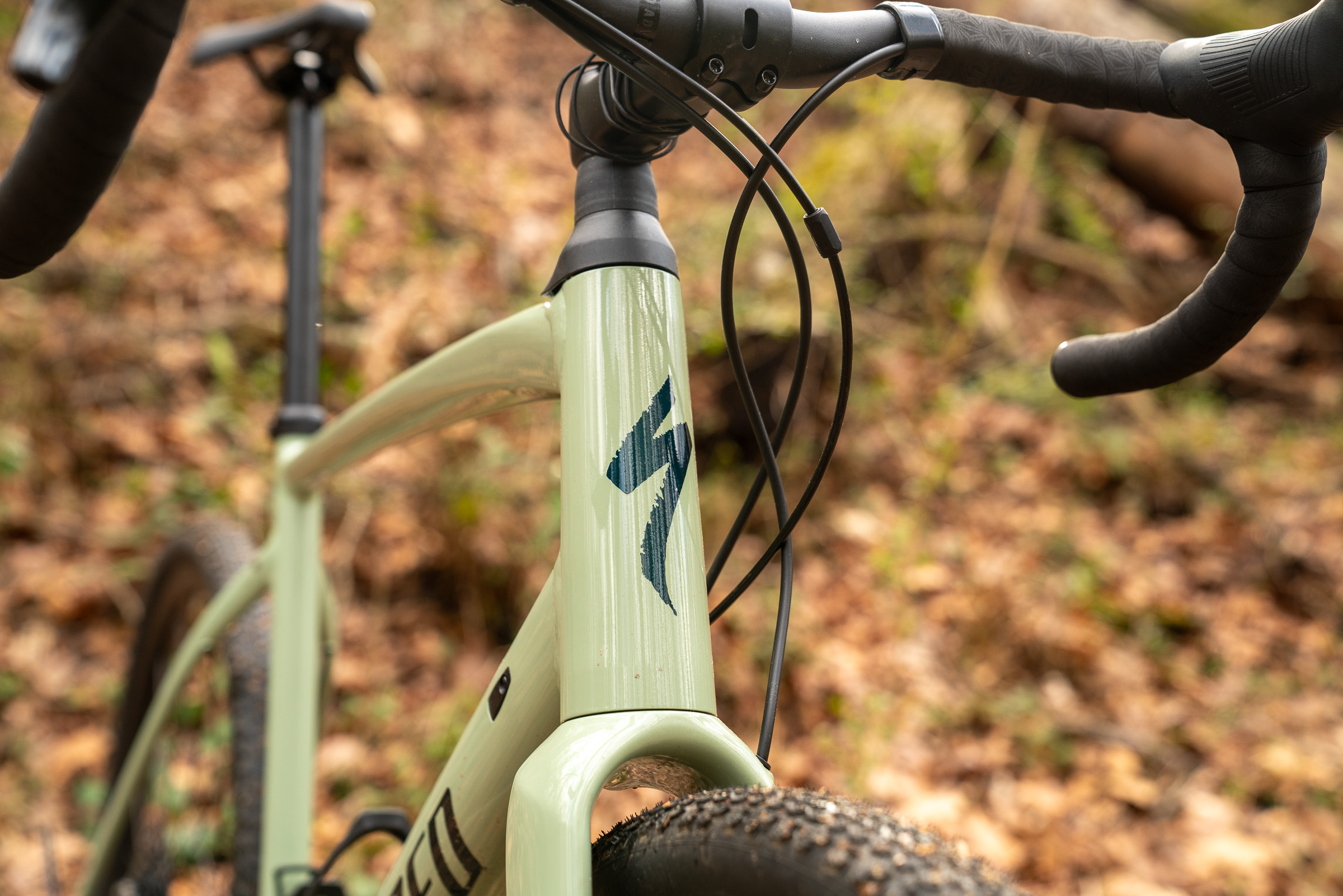
In a similar move, Specialized recently ditched in-frame storage on their Epic 9 cross-country race bike, leading to significant weight savings for the bike.
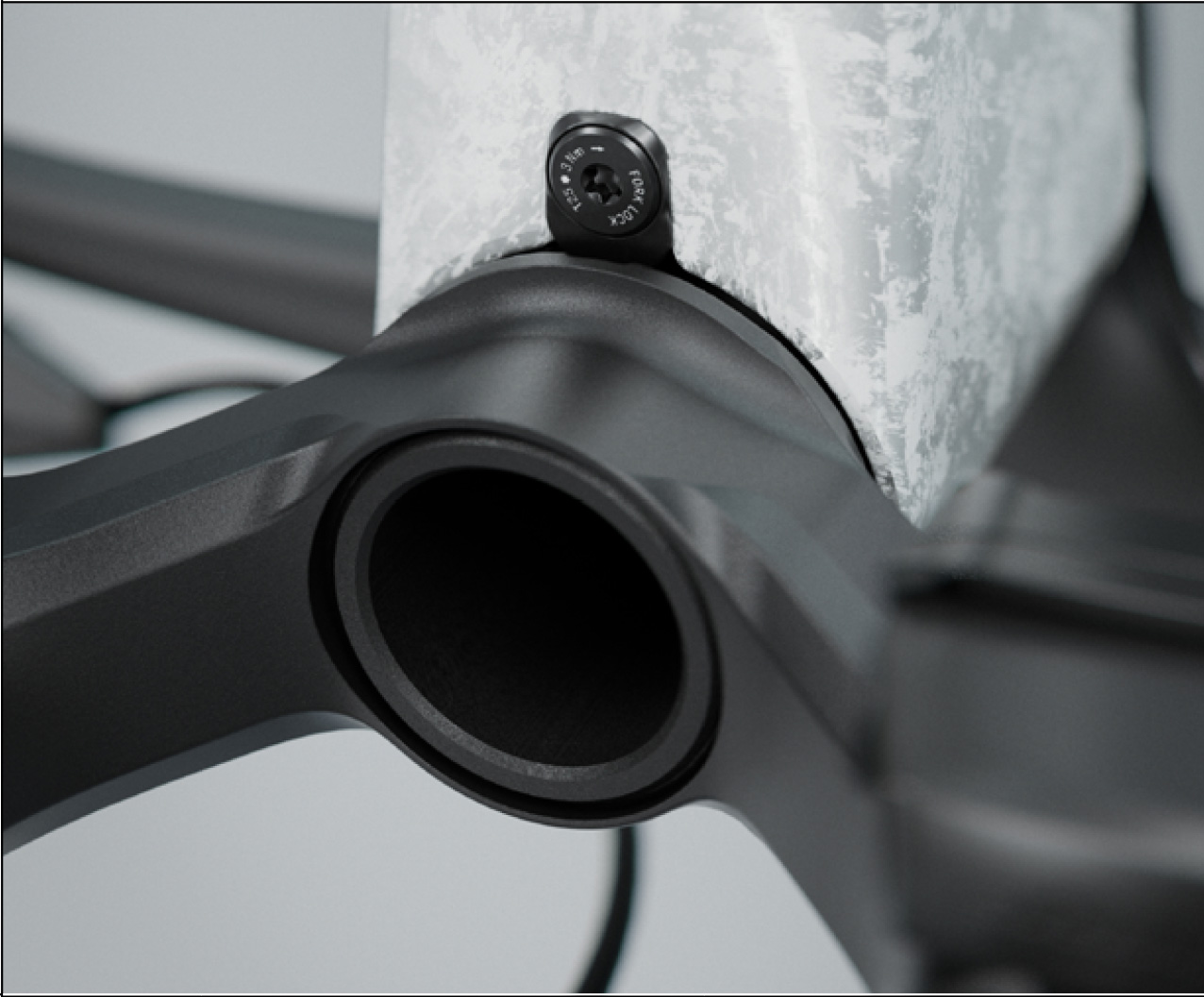
The Scott Spark RC frame includes a steering stopper to prevent damage to the frame and to prevent cables and hoses from getting overstretched in the event of a crash. Scott says the stopper engages automatically, and the “component can be easily removed on-site and later reinstalled using the frame tool, allowing you to continue riding.” Many frames offer steering limiters, though it sounds like the Scott design uses an unusual mechanism that must be reset after a crash.
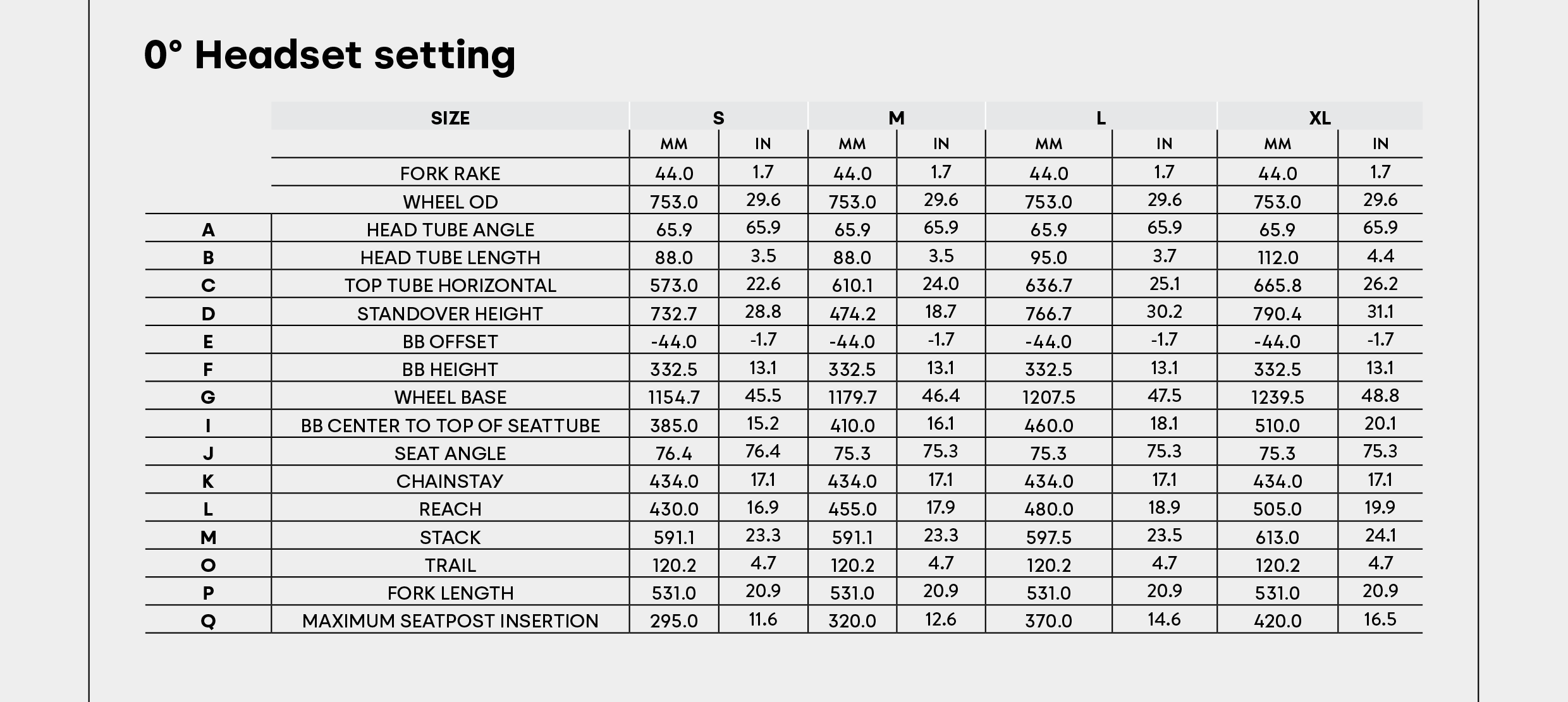
Scott Spark RC geometry
The Scott Spark RC features a three-position angle-adjust headset. In the middle setting, the XC race bike has a 65.9° head tube angle that can be steepened to 66.4° or slackened to 65.4°. At the middle setting, the bike is 1.3° slacker than the previous Scott Spark and nearly half a degree slacker than the Specialized Epic 9.
Rounding out the geometry changes, the seat tube angle on the Scott Spark RC is a little slacker than before, while the chainstays are shorter and the reaches are longer.
Lightweight builds
Scott says a Spark RC frame, without the shock, weighs as little as 1,427g. That’s impressive, but still at least 100g heavier than the Epic 9, which is currently the lightest full-suspension mountain bike frame on the market.
Scott says their lightest complete bike build, the Spark RC SL, weighs 21.83lb without the Save-the-Day kit. The most affordable build, the Comp, is said to weigh 28.44lb.
US pricing and availability were unavailable as of press time. Singletracks has reached out to Scott for that information and will update this article once it’s available.










 English (US) ·
  French (CA) ·