

 1 day ago
1
1 day ago
1
PROTECT YOUR DNA WITH QUANTUM TECHNOLOGY
Orgo-Life the new way to the future Advertising by Adpathway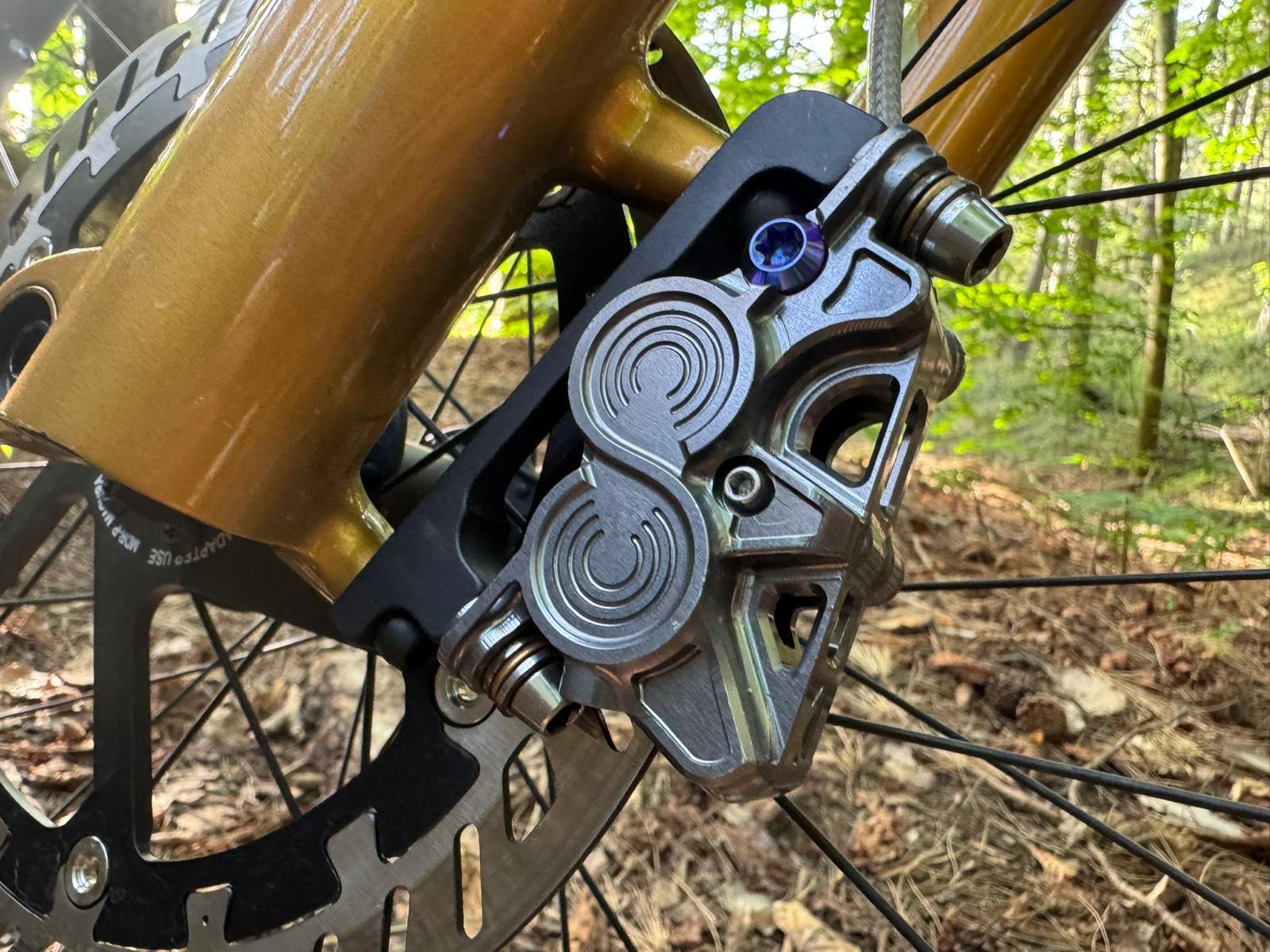 All photos courtesy of Hustok Engineering
For a long time now, “Big Brake” has dominated the mountain bike industry. This is, of course, SRAM and Shimano, as it were. These two lead the way in OE spec, although alternatives such as TRP and Magura deserve a mention.
And with good reason. We’ve tracked riders’ brake preferences for a while now. The above-mentioned brakes made the short list, along with other, perhaps more niche selections. Many readers appreciate the stopping power of brands like Hayes (not as niche), Hope, Formula, and Trickstuff.
Another brand hopes to offer something a bit different from the cookie-cutter OE options available. Hustok Engineering, based in Spain, popped onto our radar a few weeks ago. And, like you, we hadn’t heard of them. With Hustok products set to hit the market soon, we corresponded with the team to understand what sets their brakes apart.
Brake development
“The funny thing is, we never intended brakes to become the heart of Hustok,” Iván Izquierdo, Co-Founder and CEO of Hustok, told us. Izquierdo formed the company with his friend, Alex Sanchez.
Both men worked together at Mondraker before setting off on their Hustok adventure. Originally, the brand formed as a design and engineering studio. The idea was to offer R&D, product development, and industrial design services for brands within the cycling industry. But they always wanted to release their own products, and Hustok’s first major projects were an enduro bike and an e-bike.
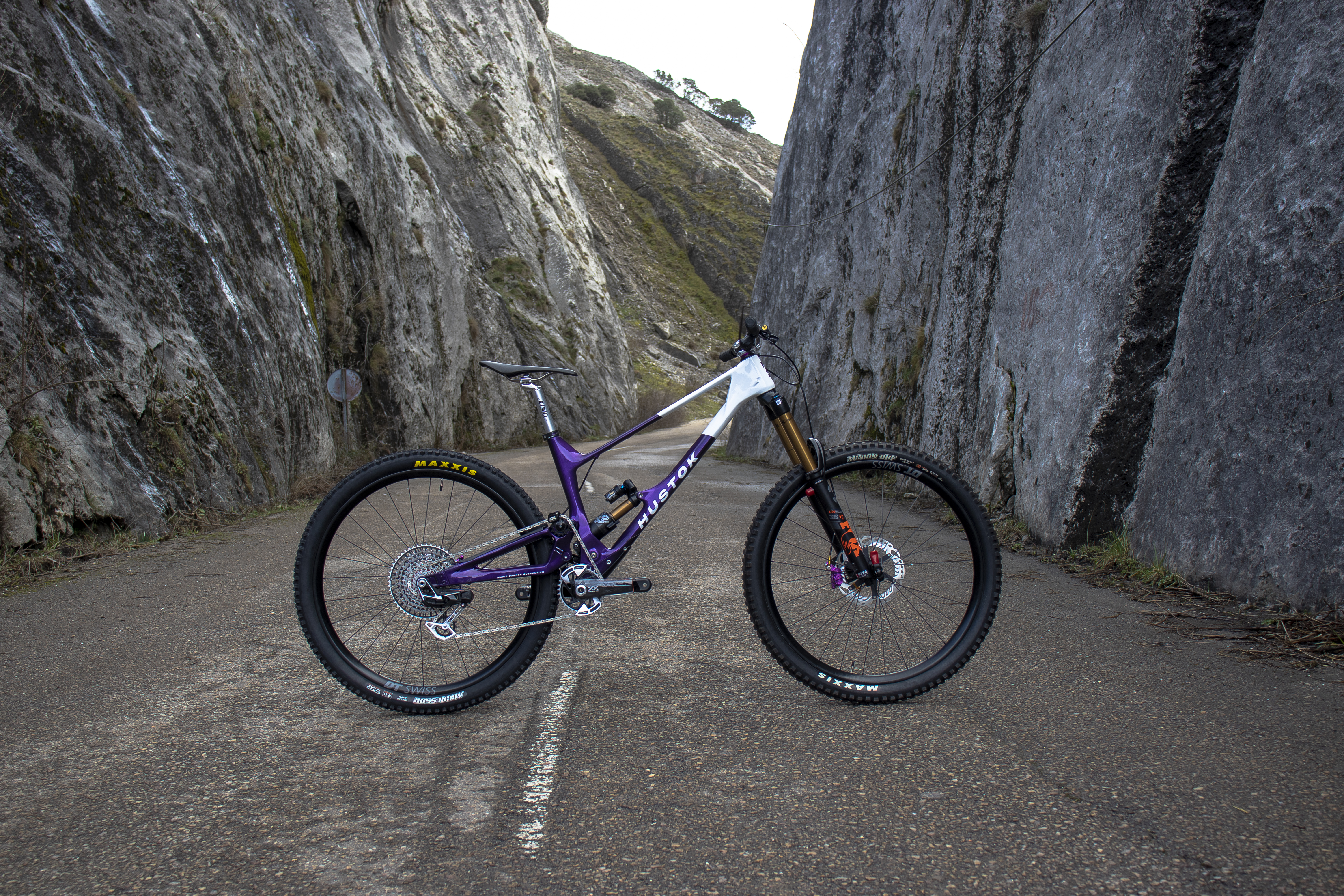
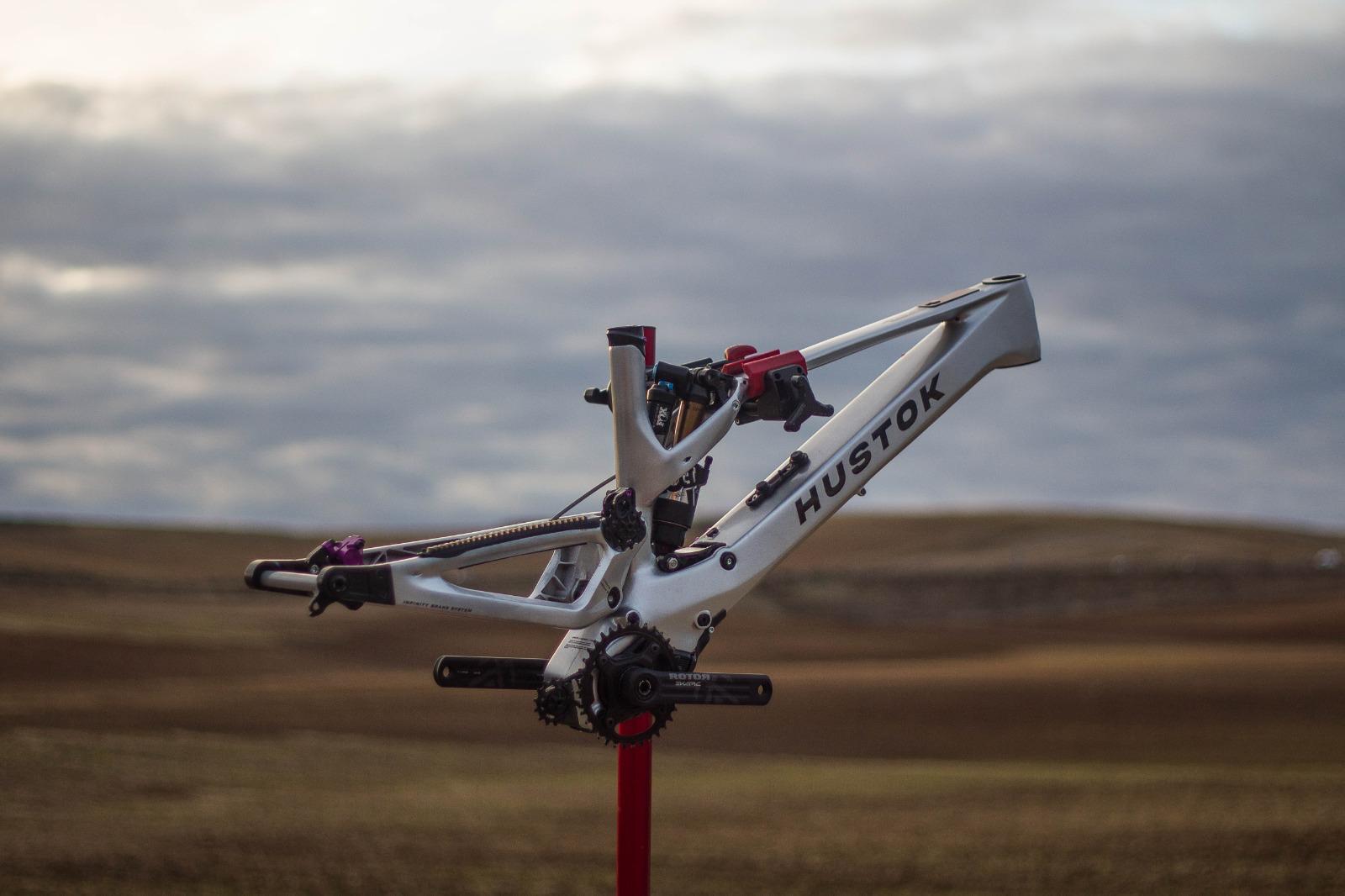
But in 2021, their attention would turn to brakes. Izquierdo and Sanchez spent quite a bit of time riding bike parks and, unfortunately, experienced too many brake issues.
“I was sitting on the side of the trail after losing braking power once again, completely frustrated, and suddenly one thought hit me,” he explained. “How is it possible that my motorcycle, capable of braking from over 200 mph, with brakes more than 15 years old, still works flawlessly, while bicycle brakes continue failing over and over again?”
Later that evening, the two sketched brake ideas, establishing a list of non-negotiables. If brakes carried the Hustok name, they needed to have:
- The maximum amount of power available. “We wanted the highest braking power on the market through a hydraulic multiplication ratio never explored before in MTB,” Izquierdo said.
- Thermal management without compromise.
- Compatibility with standard brake pads.
- Fully CNC-machined with race-inspired aesthetics at a competitive weight.
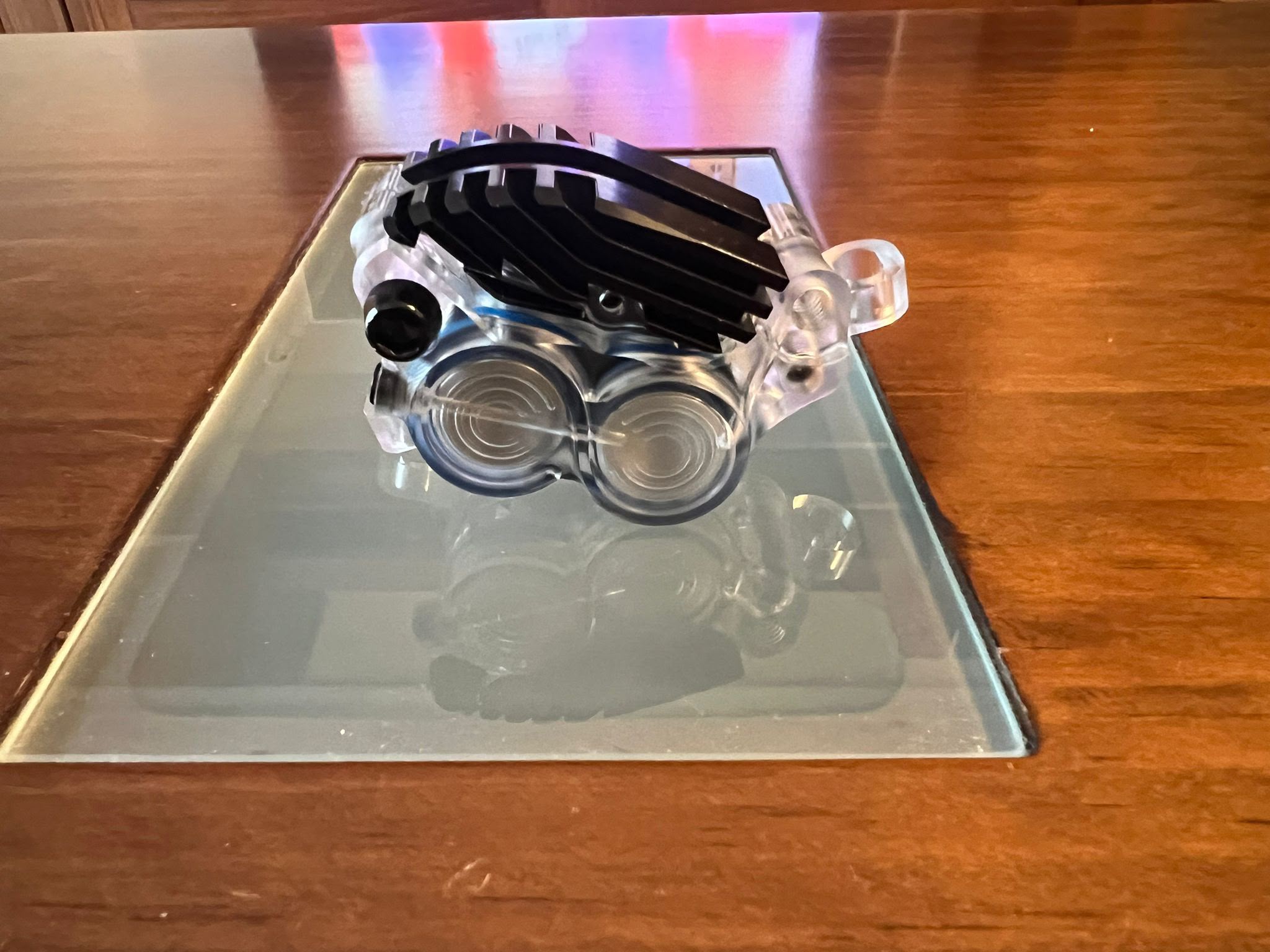
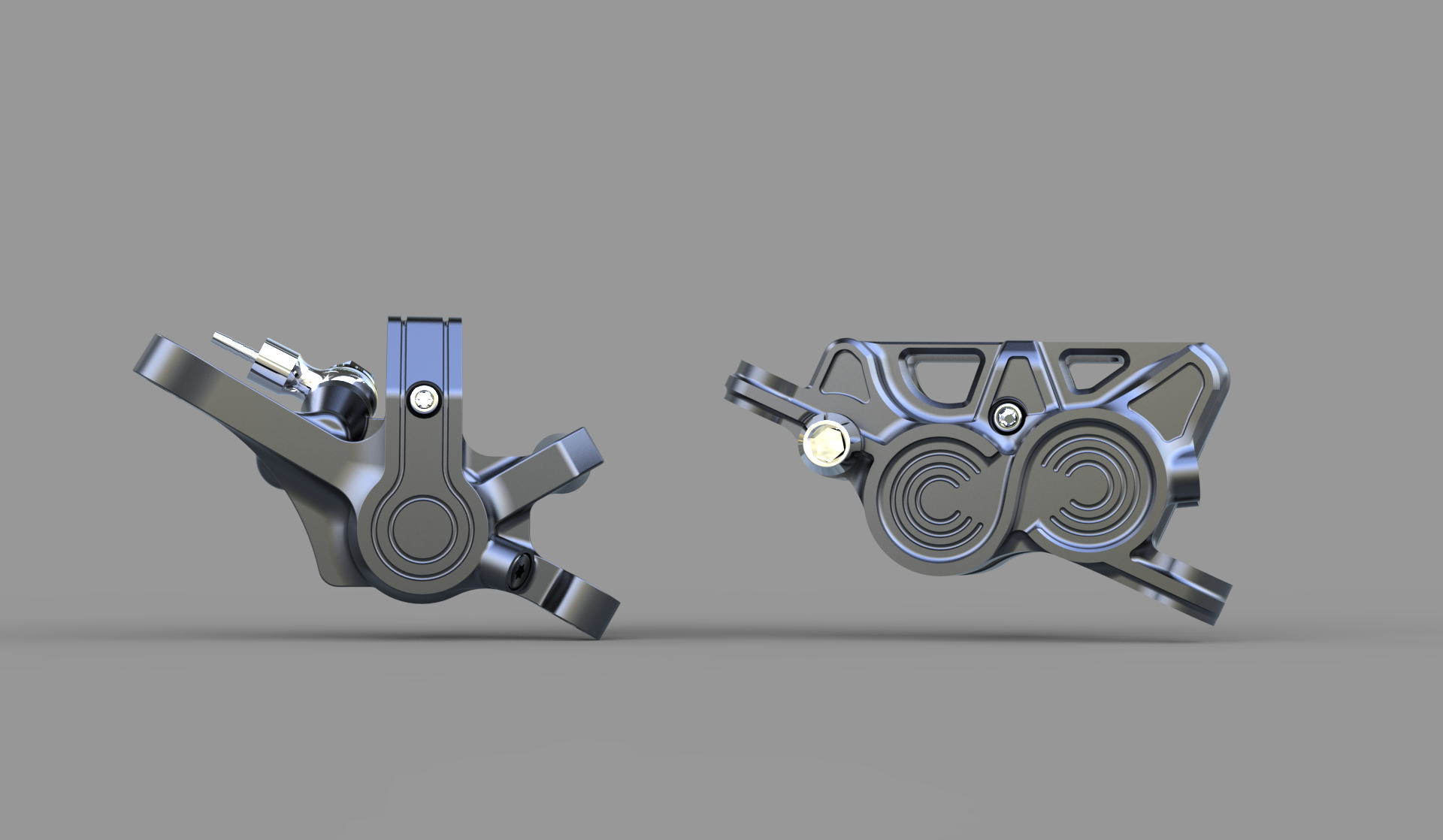
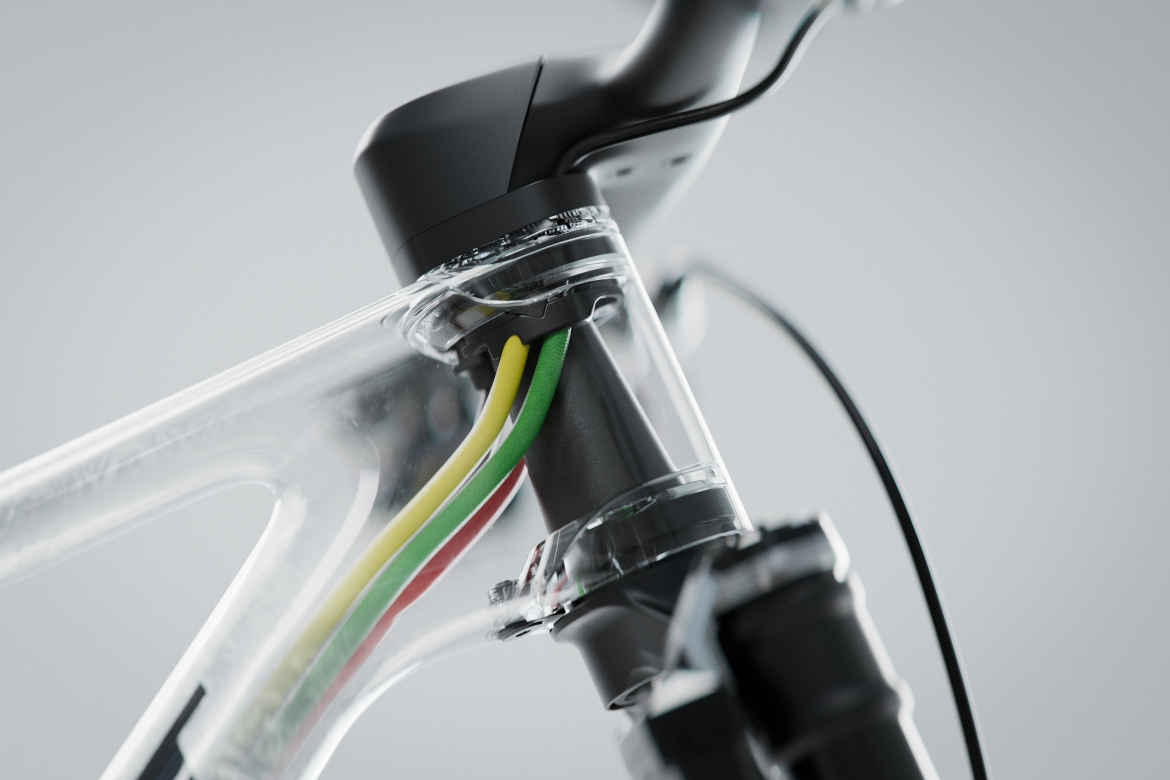
They would start with calipers, working through multiple versions. During the process, the team machined transparent polycarbonate calibers to observe how the fluid flowed inside the system. This allowed Hustok to minimize pressure loss and prevent trapped air.
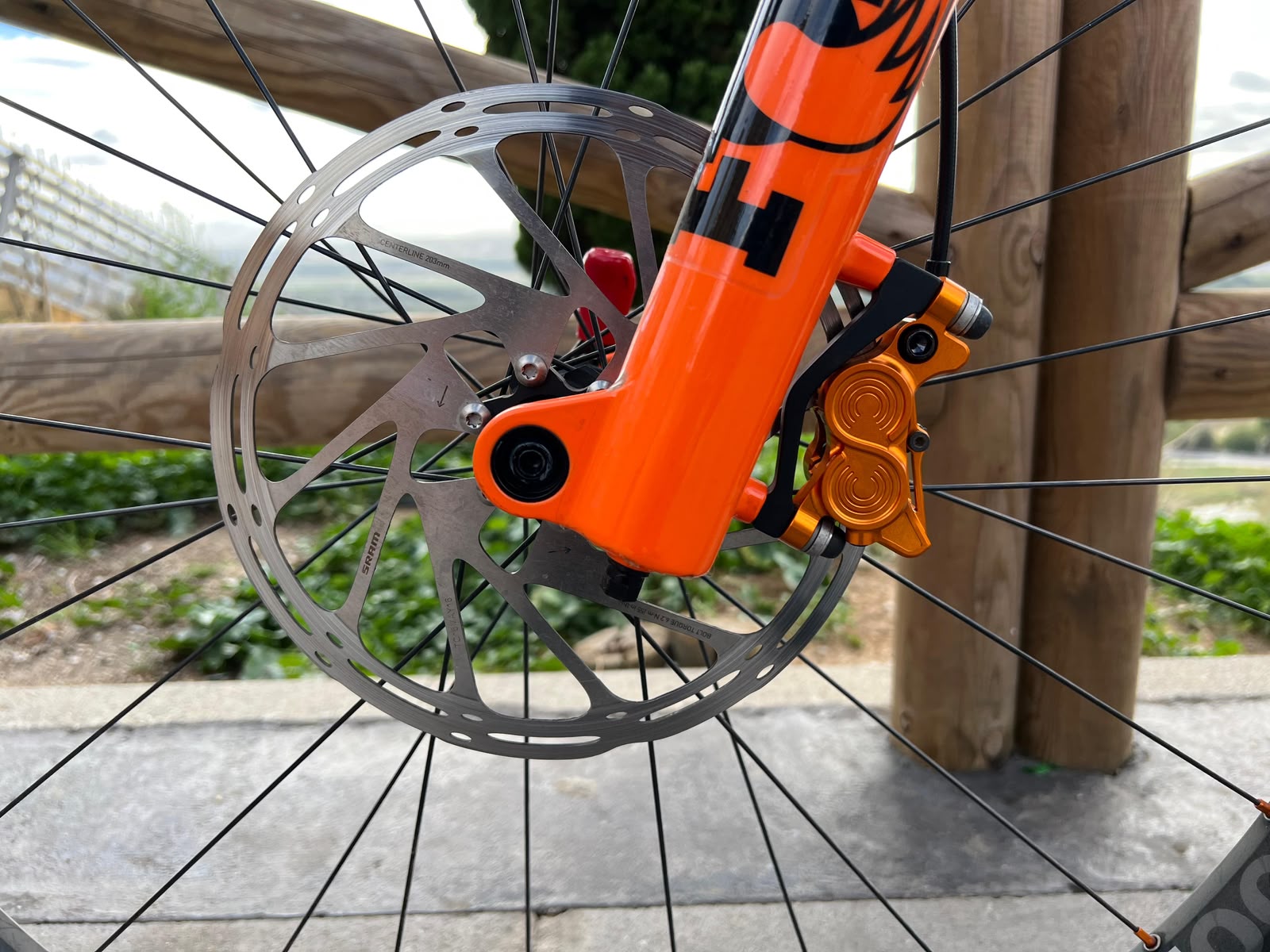
Of course, the calipers wouldn’t stay see-through. The final caliper was a CNC-machined, rather than cast, for maximum rigidity.
Braking power and precision are further maximized by using two different piston materials in each caliper. The front pistons are polished SUS303 steel, while the rear pistons are machined from hard-anodized AL7075-T6 aluminum. The front, steel pistons help reduce heat transfer into the fluid, while the aluminum rear pistons help dissipate heat. All pistons feature radial drilling to further reduce heat buildup.
“Each design accumulated more than 1,000 hours of real-world riding and laboratory testing, including braking power analysis, thermal testing, durability testing, and long-term reliability validation,” Izquierdo told me.
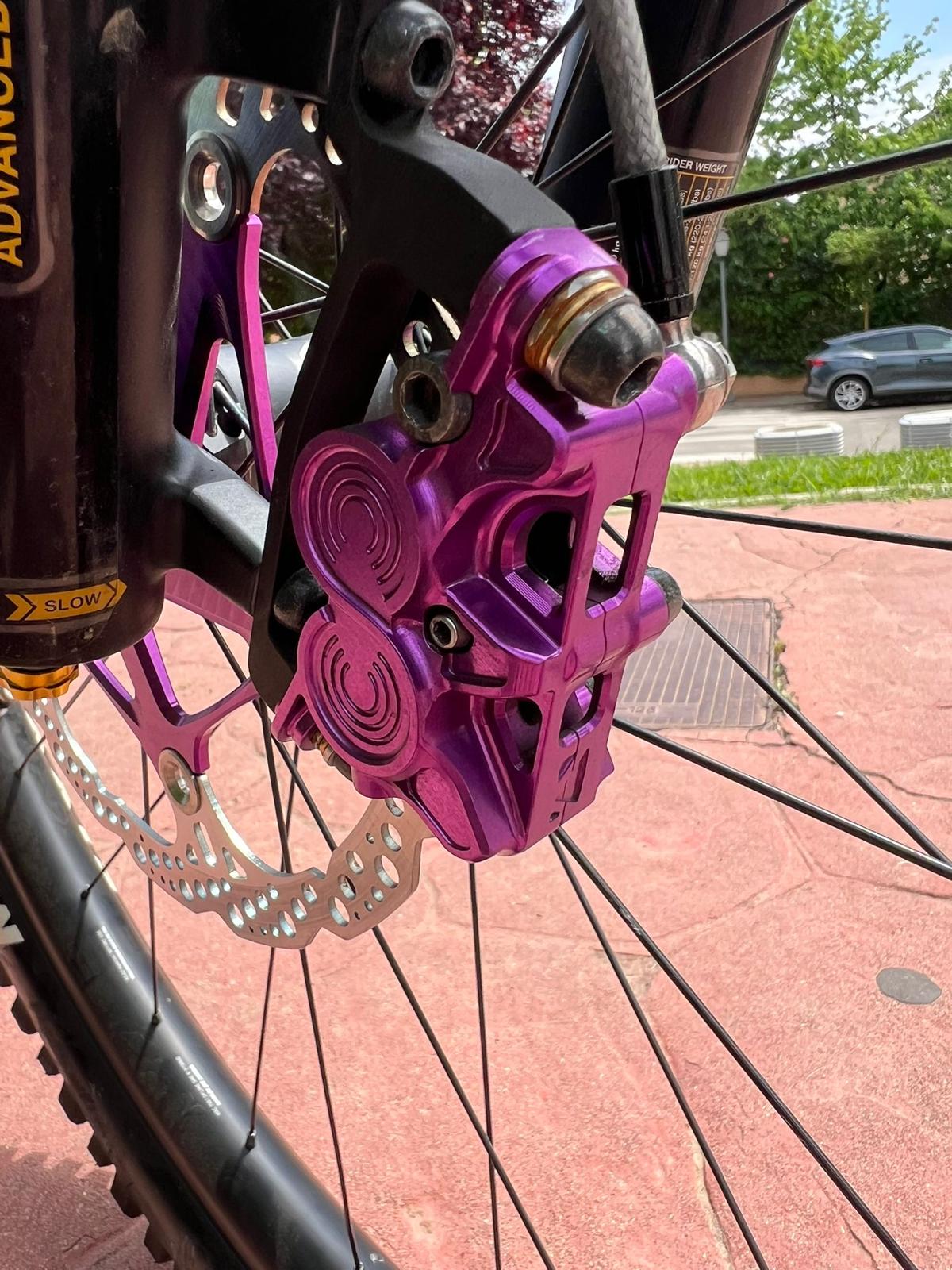
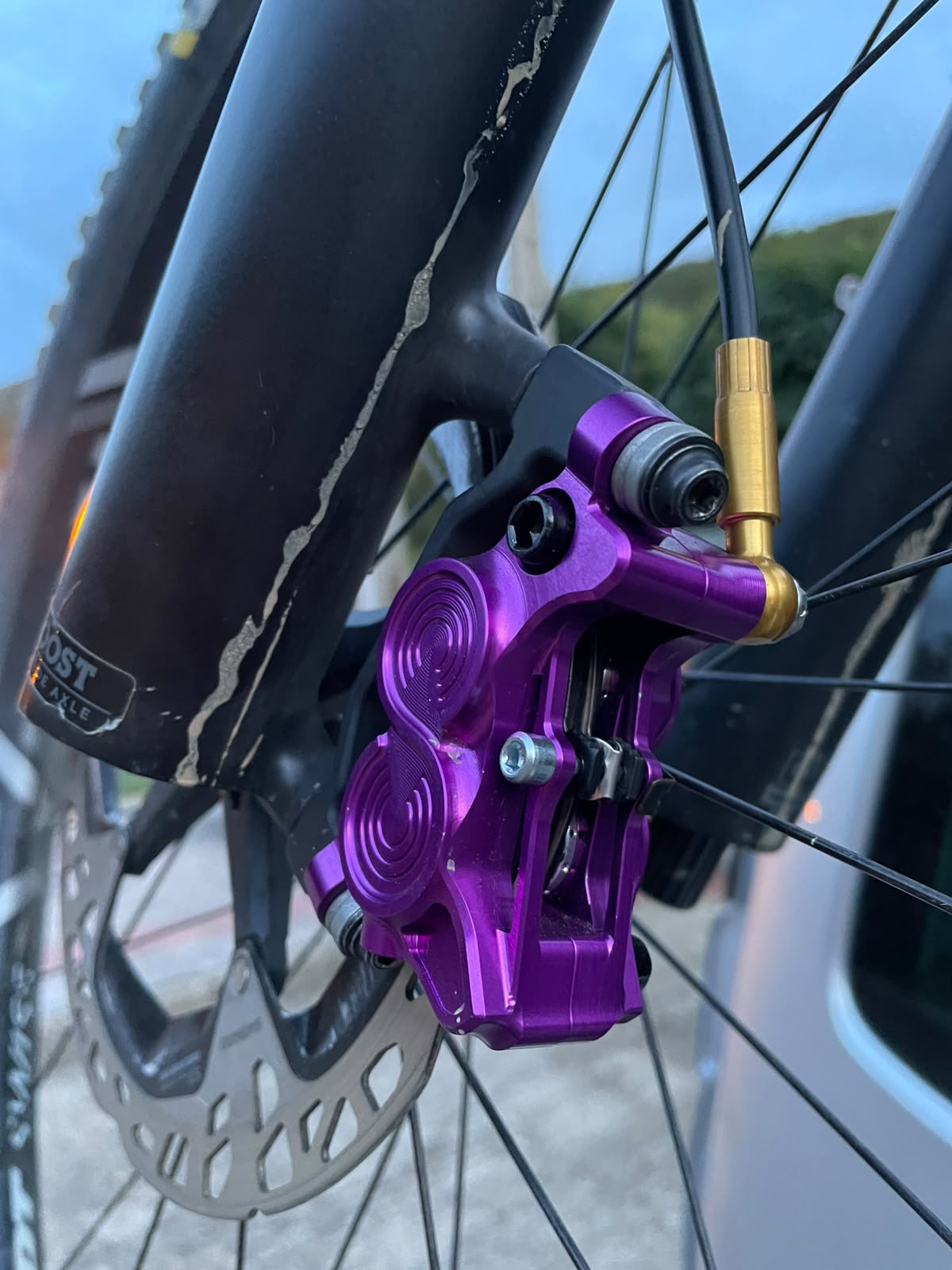
Hustok has three caliper options — Race, Sprint, and Chrono. The range covers gravity to XC, with Race and Sprint being 4-piston, and Chrono being 2-piston. Between the two gravity calipers, the most significant difference is the Sprint caliper’s open-body design. The Sprint allows for pads with cooling fins and offers a bit more modulation than the Race’s raw stopping force.
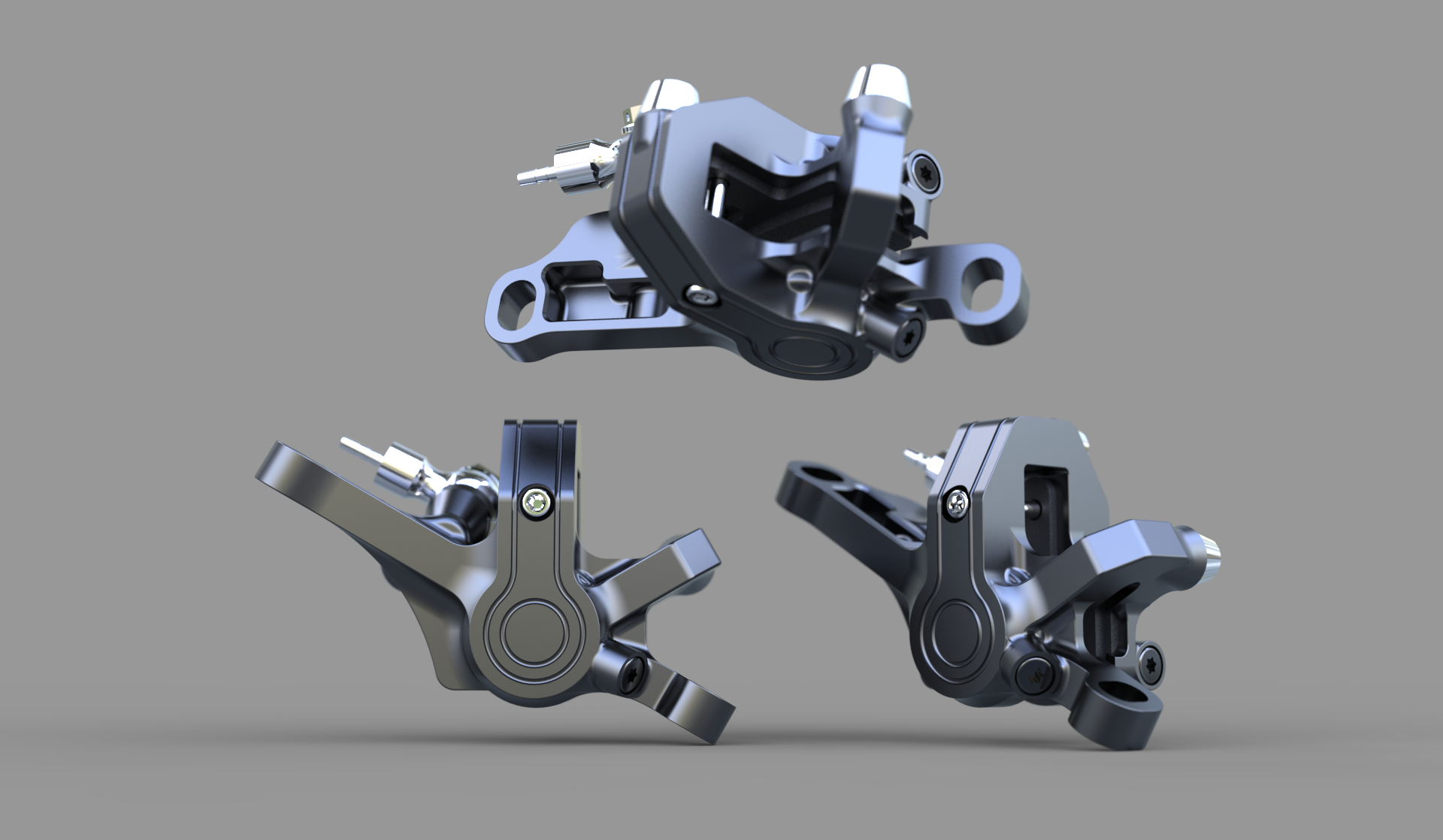
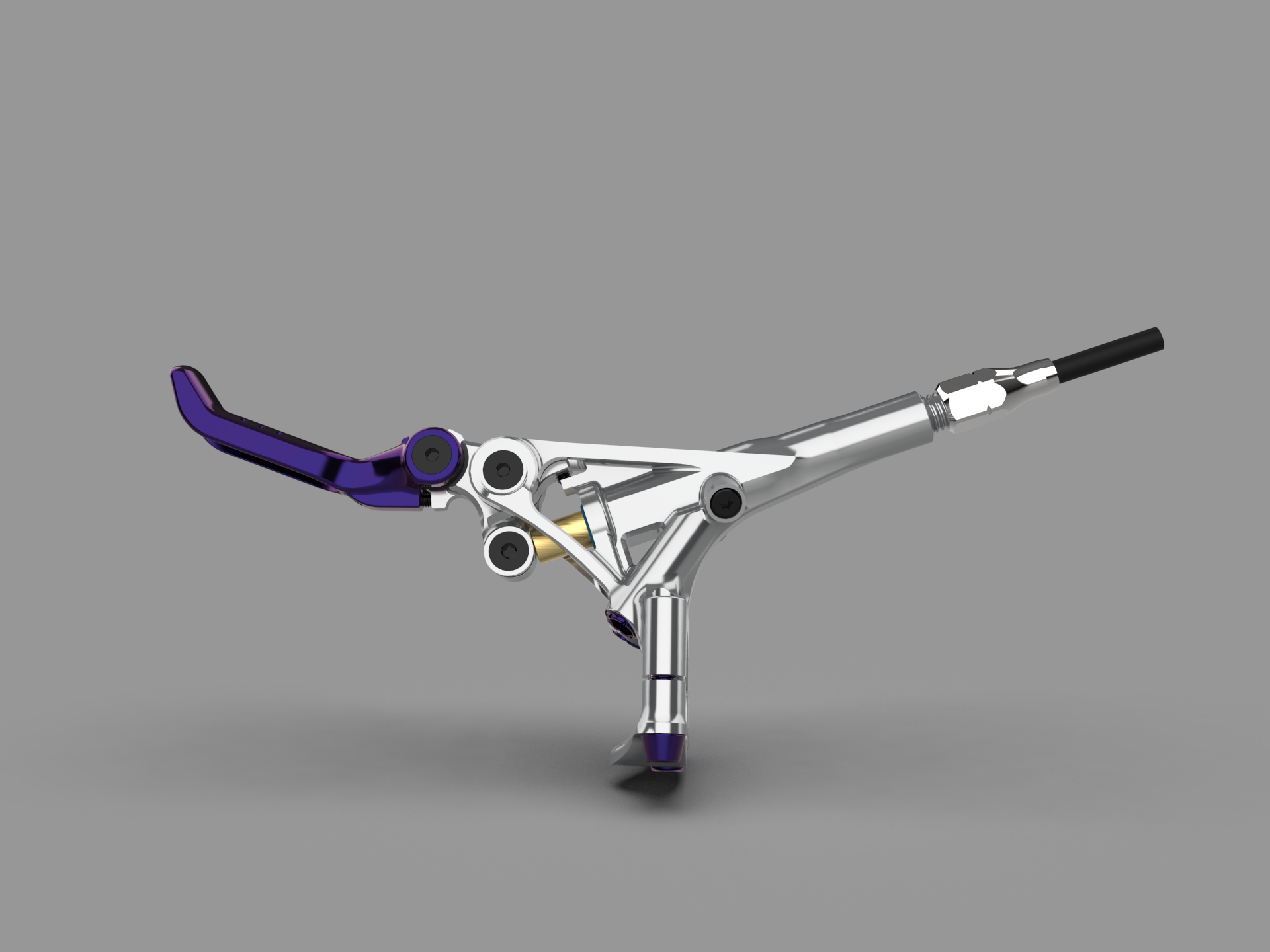
Each caliper is designed to work with a lever of choice. Well, so long as they use DOT fluid. Originally, Hustok’s brake vision was developing “Friction Packs” — essentially everything you’d need, minus the lever. Now, they are wrapping up a “master cylinder,” or brake lever, offering a complete Hustok brake system.
A brake system that, they claim, offers the most power.
The most braking power? Even more than the Mavens?
We hear a good bit of talk around brake calipers and the size of the pistons housed internally. For example, the originally released SRAM Maven brakes use two piston sizes: 18mm and 19.5mm. More recently, SRAM has moved to using four 18mm pistons on their latest Mavens.
However, it isn’t just large pistons that create a powerful brake, but rather, the size of the ratio between the master cylinder and pistons. We’re certainly not engineers, so Izquierdo simplified things for us. Essentially, a hydraulic brake multiplies the force applied at the brake lever, amplifying it at the caliper. This is known as the hydraulic ratio, and it’s calculated by dividing the total area of the caliper pistons by the area of the master cylinder bore. Bigger pistons make the ratio go up, but so does a smaller master cylinder bore. That means, for example, a 10mm master cylinder paired with 15mm pistons will be less powerful than a 9mm master cylinder paired with 16mm pistons.
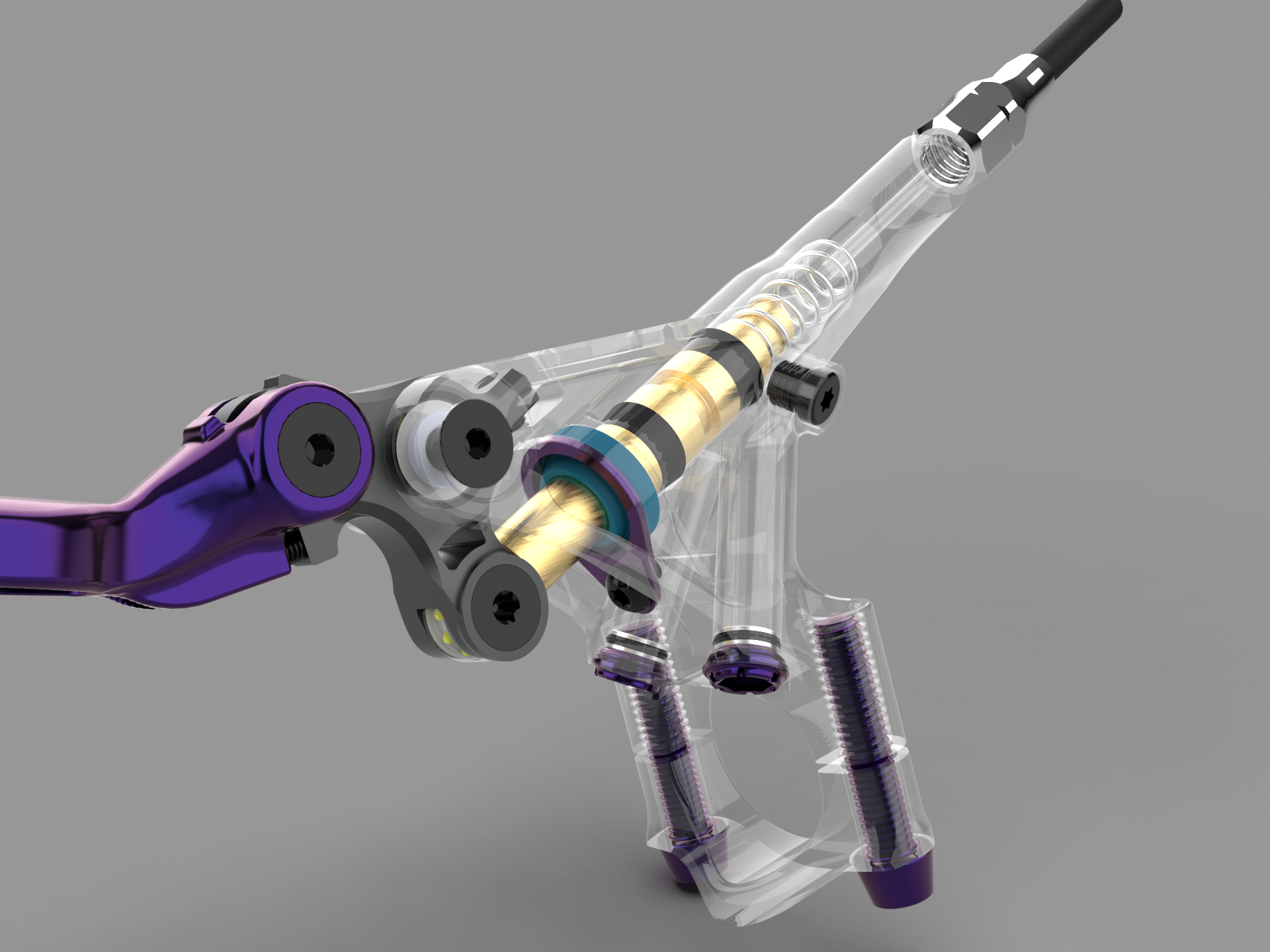
But here is the kick: in all the information we receive about new brakes, the companies likely aren’t disclosing the size of their master cylinder piston. Izquierdo pointed this out, and he seems to be right. A quick check on our end for the master cylinder diameter of SRAM, Shimano, or TRP returned nothing.
“At the moment, the highest master cylinder-to-caliper piston ratio available is the recently announced Brembo setup with a 9mm master cylinder and four 18mm caliper pistons,” he explained. “We offer a 9mm master cylinder combined with four 18.5 mm pistons. The braking power is absolutely phenomenal.”
So why doesn’t every brand just use a smaller master cylinder? Izquierdo explained that as the ratio becomes larger, the brake lever begins to feel spongy, especially with cast calipers. However, Hustok’s CNC-machined calipers aren’t affected nearly as much.
Hustok brakes use DOT fluid
Yes, that’s right. DOT fluid. The use of DOT fluid is one of the factors that sets Hustok apart from Shimano and now SRAM. While SRAM was a DOT holdout for many years, their latest Maven and DB8 offerings use mineral oil.
So, why use DOT fluid when it doesn’t appear to be trending up?
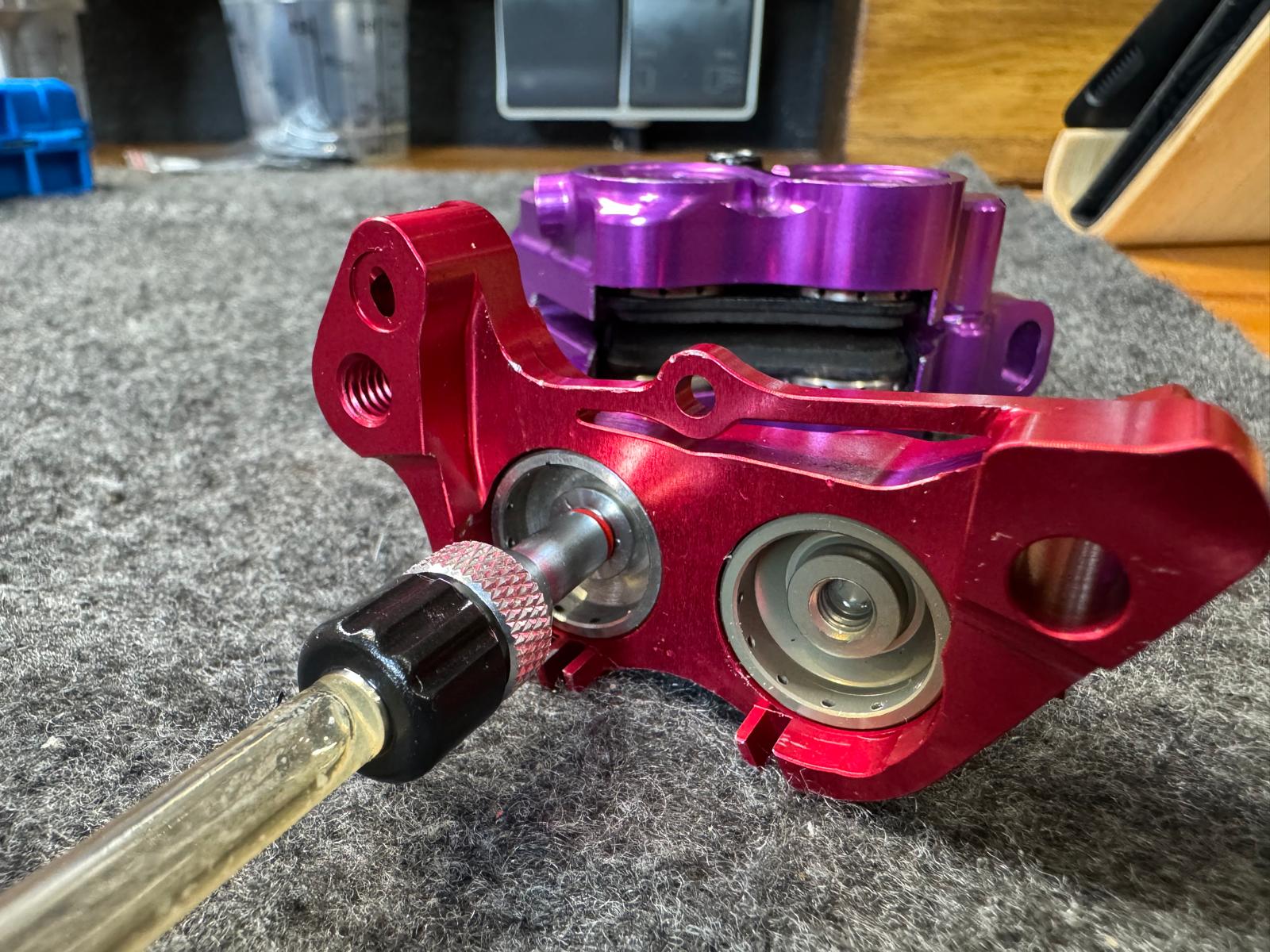
“DOT fluid offers significantly higher boiling points, more consistent behavior under extreme temperatures, and greater resistance to degradation during aggressive riding,” Izquierdo explained. “Combined with high-quality EPDM seals, it creates a braking system designed to survive the harshest conditions possible.”
Hustok also feels that they differ from the “Big Brake” options in the quality and performance they can offer. Izquierdo mentioned that for many of those massive brake manufacturers, scaling up is typically the ultimate goal. When adding in an attempt to keep costs down, corners are cut, and compromises have to be made, such as using plastic parts. Izquierdo was clear that they don’t use any plastic parts, and that “every seal, every surface finish, and every machining operation was selected for durability and performance.”
To simplify things, the team says the difference between them and brands like SRAM or Shimano lies in philosophy. While “Big Brake” has to worry about producing massive numbers, Hustok has to worry about performance. This is why Hustok can CNC their calipers out of a single piece of alloy, while others cast theirs.
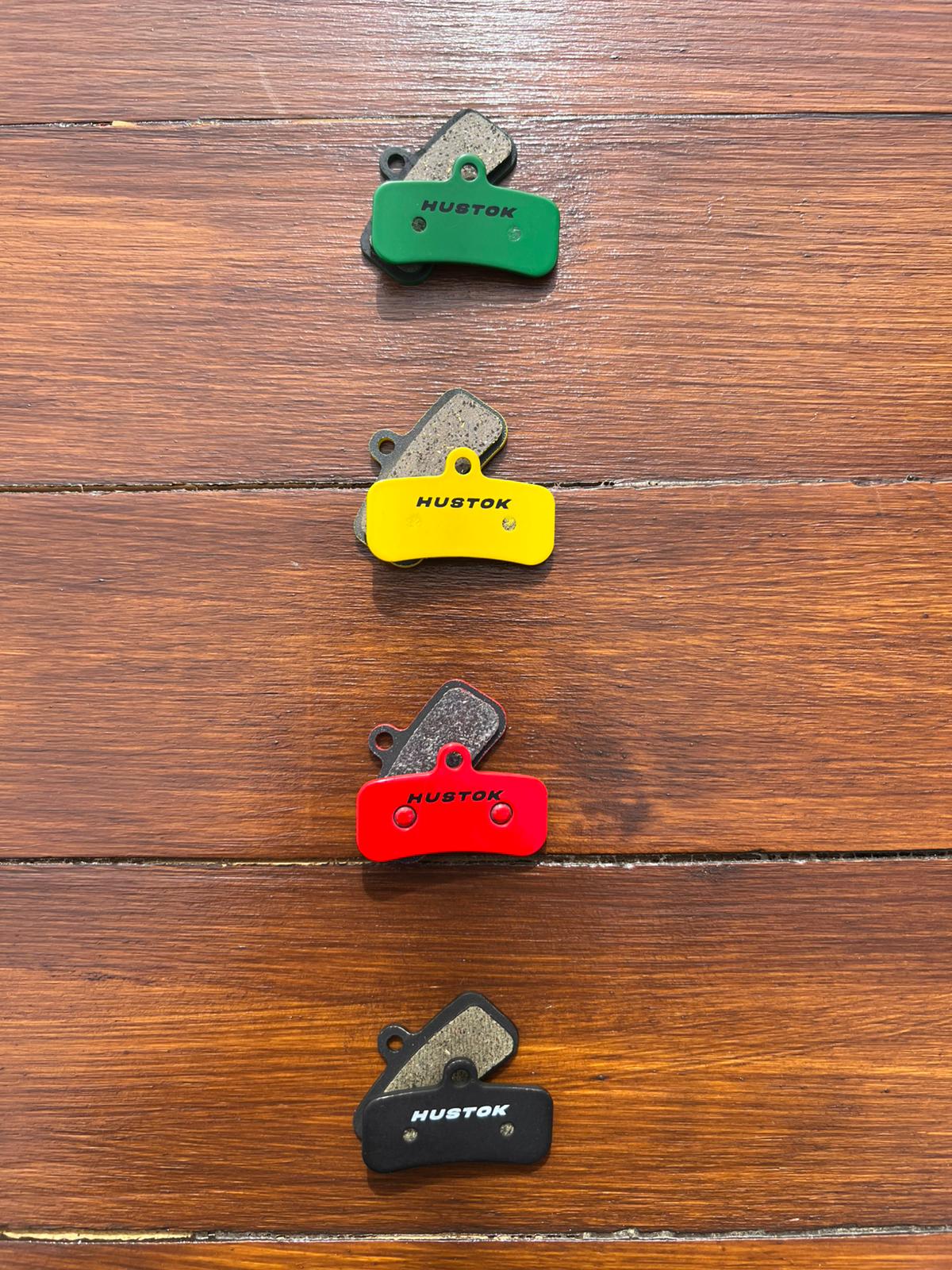
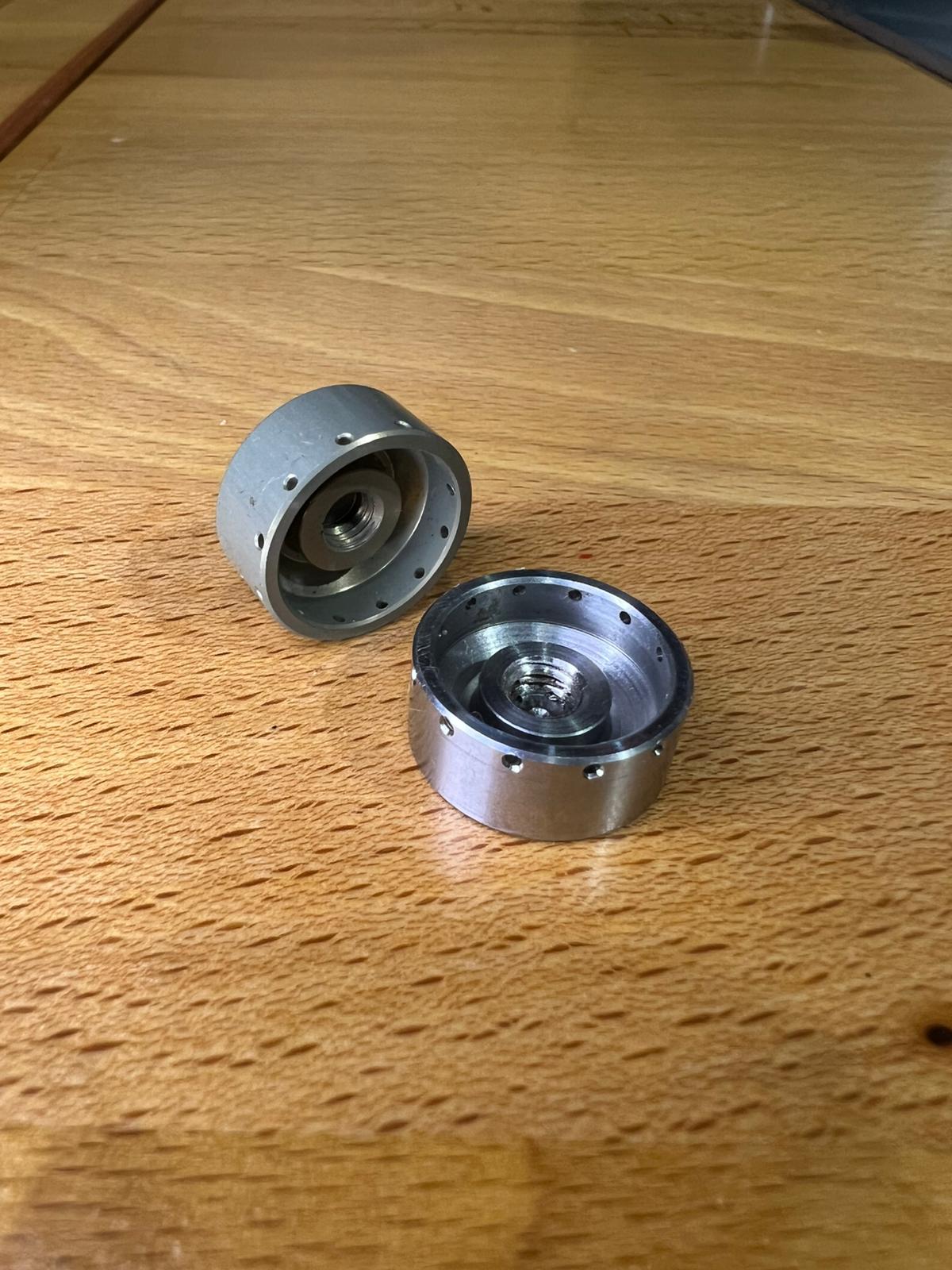
Nicely said, but performance comes at a price. And, if Hustok is anything like the other niche brake brands on the market, we imagine they’ll be pretty expensive. We don’t have pricing information, but Hustok plans to launch the Friction Packs in July, with complete brake systems available later this fall.
It’ll be interesting to see how these Hustok brakes stack up against the power of something like the Mavens. Will they really have the “highest braking power on the market?” We’ll have to wait and see.
Regardless, we’re always happy to see more options in what seems to be a consolidating space.










 English (US) ·
  French (CA) ·