

PROTECT YOUR DNA WITH QUANTUM TECHNOLOGY
Orgo-Life the new way to the future Advertising by AdpathwayFor his Editor’s Dozen, an impending bikepacking trip to Colombia has Cass running through his gear with a fine-tooth comb, seeing what makes the cut. Find a tent, a GPS unit, a nut butter knife, and even a three gram bidet, plus personal highlights, favourite tours, bike mods, and more in his wide-ranging list of top picks for 2025…
There hasn’t been a massive amount of change for me when it comes to bicycles and gear this year. I’m still riding the very same fine collection of steeds, depending on where I’m based. In Oaxaca, I continue to covet my dream machine, a titanium Jones LWB Spaceframe that sees daily use, and I also own a Merida Big Trail that I earmark for, well, bigger trails. In the US, I store my steel Jones SWB with friends, and in the UK, a Stooge Rambler resides with my parents – more on those last two below.
I have to admit it’s a relief to own gear that performs so well I can largely forget about it and get on with riding. Still, things wear out, be it on a bike tour, around town, or on a trail, which is my time to experiment. And, we all get that little itch to mess around with our bike setups from time to time! If a change of gear – or even a whole new bicycle – can provide the motivation to get out and ride, and help experience our time on this planet in a meaningful and immersive way… well, I can get behind that.
Plus, Emma and I are heading to Colombia in January, which has given me the chance to appraise everything I’ve been using this year and decide exactly what makes the cut! Dive into my list below.
Modding Current Bikes
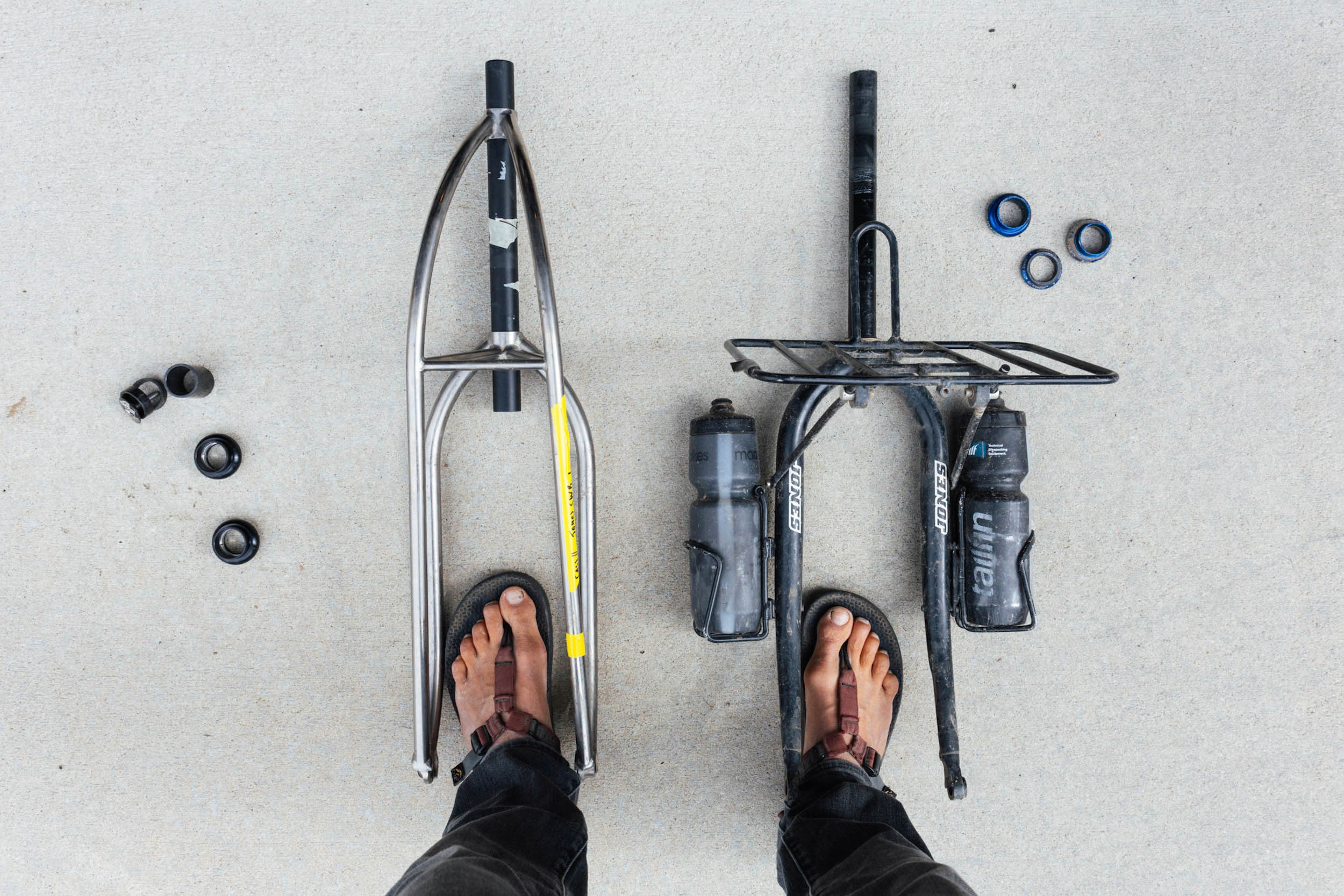
In Jones World, I made two significant mods to my SWB. A Jones bike is something of a closed system in that it’s designed holistically as one, with a particular set of intended components. As such, it doesn’t lend itself to chopping and changing parts, which is something I sometimes miss! This doesn’t mean you can’t make upgrades though… In the fall, I invested in a second wheelset and swapped out the stock steel unicrown fork for a pre-owned titanium truss, in an effort to lighten the bike for faster, unladen, gravel-style riding. The unicrown isn’t inferior as such – I actually like its smoothing ride quality, and it also plays well with a rack and basket, great for around-town errands and weekend trips alike. But it does command a certain heft, especially compared to its titanium truss equivalent, which weighs in at just 1,040 grams. The inherent framework of a truss fork also negates the need for a rack in the first place, thus saving several hundred more grams. As needed, I zip-tie a set of minimal 3D-printed “truss struts,” allowing me to attach my Tailfin panniers directly to the fork without any additional hardware. The fact that a truss fork looks lovely doesn’t go unnoticed, and whilst it’s undeniably very expensive, it will likely outlive anything made from carbon.
My last two summers have been spent in the UK. This year, I added gears to the Stooge Rambler that I initially built up as a singlespeed. My goal is to keep this bike durable and affordable, so the changes are modest, coming by way of a Microshift Sword rear derailleur and an Advent X shifter, as installed to perfection by the folks at the Woods Cyclery. What a boon these gears are for both steep coastal climbs and paved backroad miles alike!

I’m still running fast rolling Schwalbe Racing Ralphs, be it on road or trail. Along with a set of Magic Components Moth Bars – the same ones I enthused about in my 2024 Editor’s Dozen – my stylish Rambler now feels well tuned to the style of all-terrain riding I enjoy most in the UK. It’s a bike that I find quasi-perfect for my two local haunts – the lumpy, tufty bridleways of Dorset and the smoother gravel tracks of the New Forest. I wanted this bike to be the one I’d just grab without thinking about, no matter where I’m riding, road or off-road, and that’s exactly what it’s become. Its 27.5-inch wheels and a short wheelbase make for fuss-free transportation, so no squabbles on South Western Railway, and it’s easy to fit in the boot of a small car. In the future, I might play around with drop handlebars again, but in its current form, this bike blends the nostalgia of a simple mountain bike of yesteryear with modern components, a more confidence-inspiring geometry, and a lick of speed.
Coros Dura
Made in China / $250 at Coros
This fall, I invested in a Coros Dura, partly in preparation for our winter touring plans. Although my Hammerhead Karoo 2 is still functioning okay – give or take the odd glitch – the Dura is better suited to my needs. The first reason is how well it works offline. I’m often out of reliable cell service here in Oaxaca, and it’s a real advantage to be able to send on-the-fly GPX files directly to the Coros App – which I make in my iPhone’s Mapout app – that quickly sync to the unit via Bluetooth, with no data or wifi required. And then there’s the phenomenal battery life, especially compared to the Karoo 2 that I have to remember to plug into my power bank at the end of the day. Thanks to the Dura’s built-in solar panel, I barely need to charge it at all, and if I do want to top it off before a longer trip, it charges very quickly. It even tells me the solar gain after each ride!
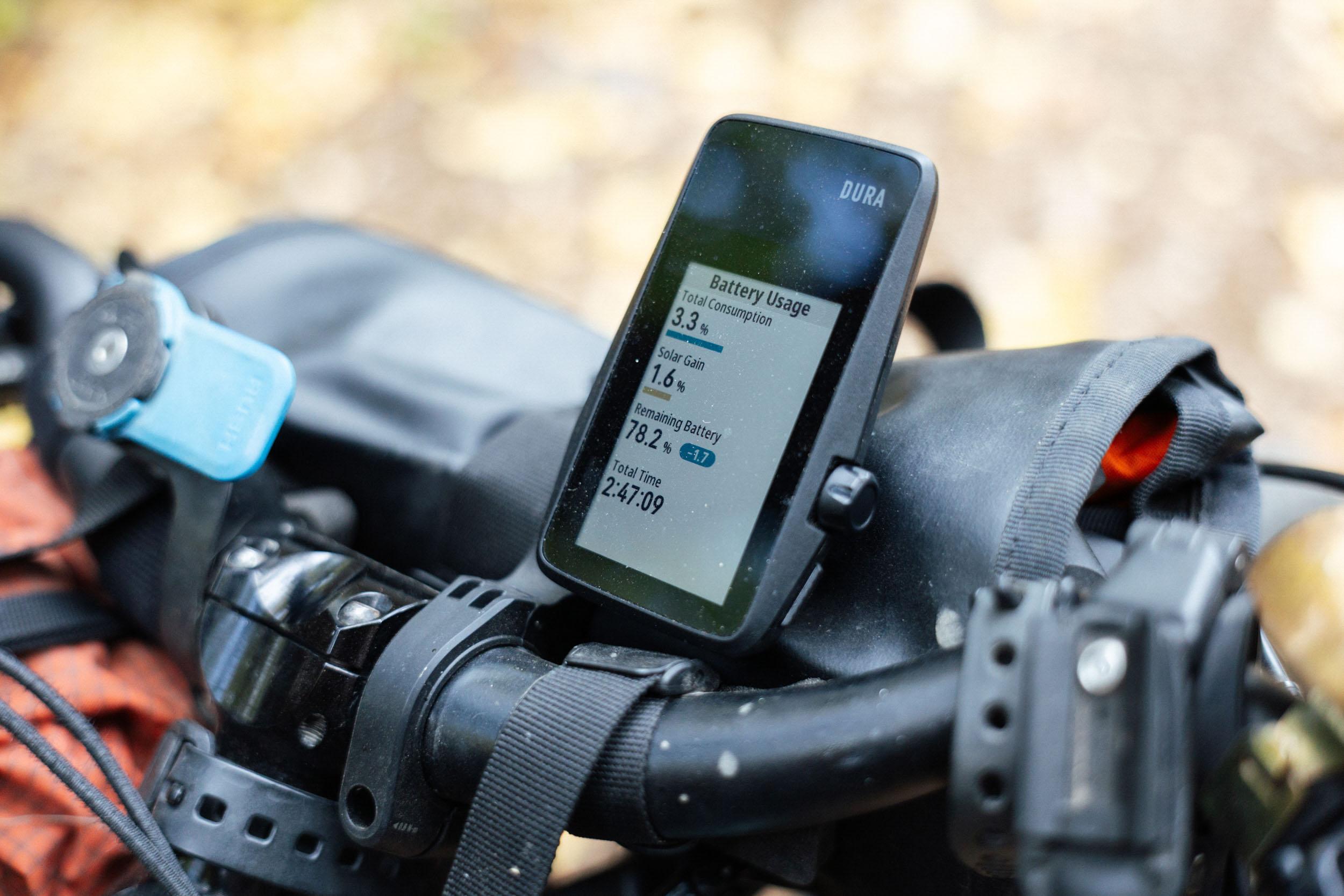
The Dura’s OS is relatively intuitive, and I’ve found the maps sufficiently detailed for my bikepacking requirements. My one concern is the side knob. Whilst I like it in concept, it needs more physical resistance – it’s too easy to jump through menus accidentally, especially when you’re riding. Hopefully, it will prove to be durable enough. Overall, though, given its price, ease of use offline, and amazing battery life, I think it’s an ideal complement to your cell phone for route navigation and recording, especially for longer, off-the-grid bikepacking trips where you’re often beyond the reach of service.
Second Wheelset
Made in China / $289 per rim at Light Bicycle
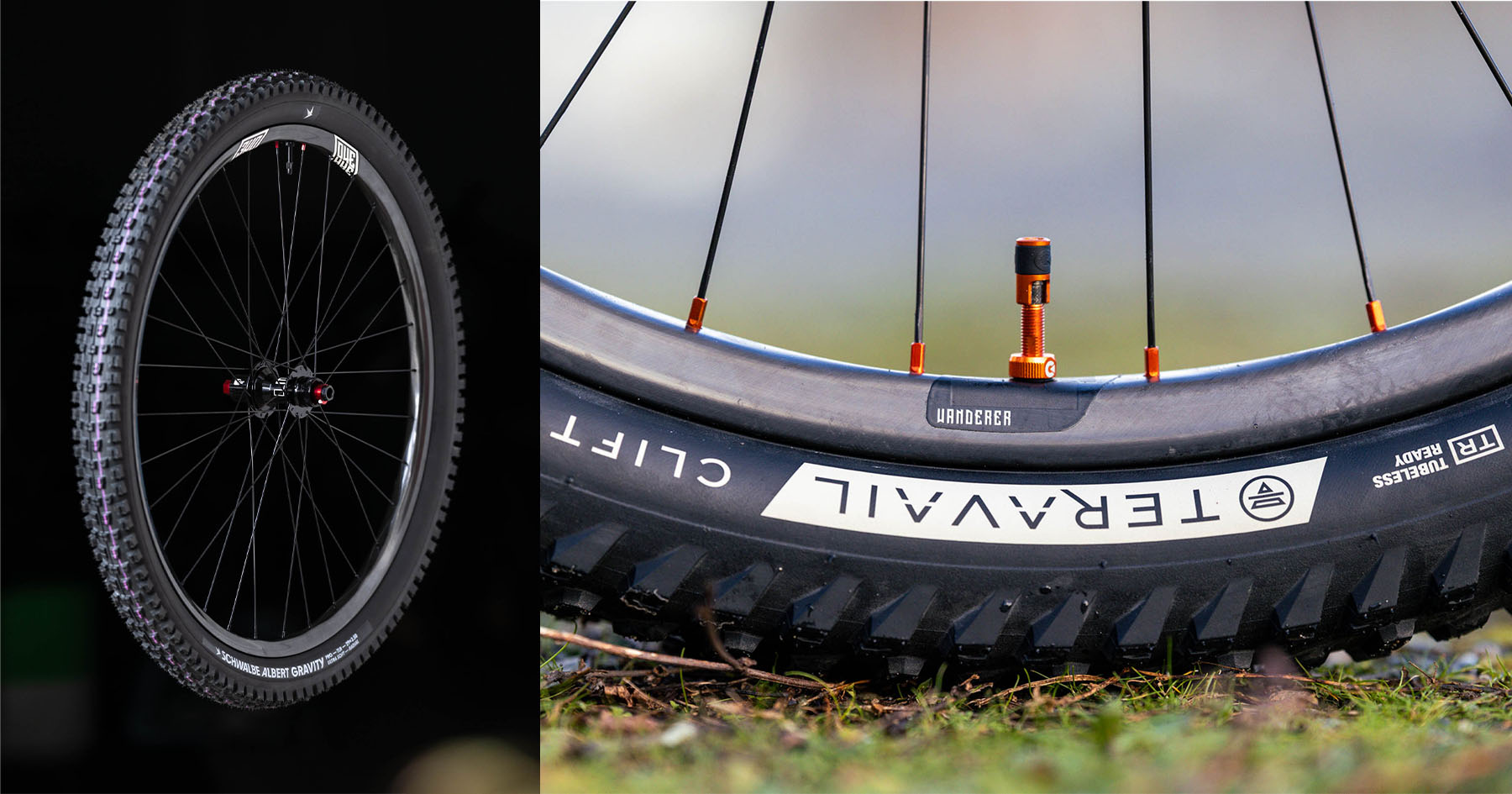
My biggest outlay in 2025 went towards the do-it-all Jones steel SWB, a bike I store in the US and ride whilst I’m spending time with my son. What started off as the chassis for the most economical SWB Complete V1, a bike I reviewed, has been slowly upgraded with each visit. Last year, I decked it out with a Shimano Deore drivetrain, and now it’s sporting a snazzy new set of Light Bicycle 29er Recon Pro RIM AM9 carbon rims, which friends have recommended. This model measures 35mm internally and 41mm externally, meaning they’re wide enough to run the larger rubber I tend to favour but narrow enough to suit the most readily available widths, too. My eventual plan is to dedicate this bike to gravel and crossing-country riding – running either a light, fast rolling 2.35-inch tyre – perhaps even Schwalbe’s G One Speed Pros – or some 2.6-inch Vittoria Mezcals, both widths that fit the public bus bike racks in Boulder and Denver. Mine are drilled for Schrader valves, which I find easier to set up tubeless and tougher. I’ve long been a proponent of building two sets of wheels with different tyres to add versatility to a favourite bike, especially if storage space is tight. I’ll be keeping my older aluminium wheelset, measuring 45mm internally, for the 2.8 and 3-inch tyres that I run in more challenging, rocky desert terrain, a setup I’m also less likely to fret over if I take the bike travelling or loan it out.

Light wheels lend even a relatively heavy steel bike like this a real sense of “pop,” immediately noticeable when riding unladen or climbing steep, technical trails. The SWB now really comes alive on rides around town, and I find myself racing for the traffic lights or honking out of the saddle just for the joy of honking! The rims are rated for all-mountain use and have held up well so far, including some especially rugged, loaded riding in Colorado and all manner of chunky day rides in New Mexico. In all likelihood, I’ll fit some tyre inserts to be on the safe side for mountain biking and to run lower tyre pressures.
I used an existing hub on the front and splurged on the recently released DT 350 DEG, at $380, for the rear. Its engagement is far quicker than the much-loved original DT 350, which was its only downside, so I have high hopes for this version too, especially as it uses a larger star ratchet system that’s theoretically even more durable. Again with durability in mind, spokes are DT Swiss Comp with brass nipples. The rear wheel weighs in at 1,041 grams, and the front is 911 grams. The rim itself is 475 grams, considerably lighter than my alloy ones at 755 grams, which I really notice when I’m running Mezcals. As it is, I feel this wheelset has really brought out the best in this bike.
Durston X-Mid 2 Tent
Made in China / $299 (plus $70 poles) at Durston
For the last few years, my two go-to tents have been made from Dyneema – the Tarptent Double Rainbow and the Hyperlite Ultamid 2, both of which I’ve reviewed here in the past. They’re excellent, lightweight tents that I continue to recommend, having seen me through countless nights in all manner of weather. But not only is Dyneema expensive, it’s also not especially hardwearing, at least if you’re using your tent regularly. Eventually, the filaments unravel, and no amount of duct tape will bring your investment back to life. This time around, I wanted a tent that’s more affordable, durable, and discreet, so I opted for the Durston’s X-Mid 2, which is made from a polyester fabric. Like Dyneema, polyester doesn’t wet out, which means it doesn’t sag in the night, as can happen with silnylon, and it dries more quickly in the morning. Handily, this tent can also be “stuff-packed,” unlike Dyneema ones, which need to be rolled away and tend to be more bulky as a result.

We do have a few quibbles. Its unusual geometry means that one person has less headroom than the other, and their storage pocket is at their feet. It’s also important to ensure the carbon poles are securely placed within the grommets of the fly sheet – one of mine slipped out and popped through the fabric. Still, we find the X-Mid 2 to be a very livable tent, with ample space and roomy porches, especially for its 1.15-kilogram weight. The colour’s perfect for low-key dispersed camping, and we much prefer that it’s not see-through at all, unlike many ultralight options, which is far preferable on a full moon or when pitched in a busy campsite. Whilst it does take a little practice to first put up, my son Sage quickly figured it all out and gave me a tutorial. Durston’s freestanding X-Dome tent, which Neil likes so much, wasn’t available at the time I bought the X-Mid, so it’s possible I’d have chosen it instead. This said, the X-Mid 2 features a two-skin design, which I prefer in humid environments, its shape promises to fare well in heavy weather, and the price is very reasonable for what it is. It’s the tent we’ll be taking to Colombia.
GSI Compact Scraper
Made in China / $8.95 at GSI
At the other end of the price spectrum and almost equally loved… In 2025, I’ve taken great delight in waxing lyrical to my friends about the humble GSI Scraper, and love nothing more than showing it off whenever we go camping, if only to see their reaction. My demonstration begins at dinner, which is often Trader Joe’s gnocchi and pesto.

First, I show them the sullied and greasy pot I’ve just eaten from. Then, I proceed to scoop out every last iota of olive oil with its silicon edge, cleaning the pot so thoroughly in doing so that it doesn’t even need an additional scrub with a handful of grass, some dirt, or pine needles, which used to be my favourite cleaning method when water was scarce. With a magician’s flourish, I present a pot that’s so shiny and clean it’s ready to pack away until the next trip. It’s a double win: there’s no edible waste, and the washing’s done!
Bottle Cap Bidet
Made in US / $10 or so at Garage Grown Gear
Loosely in the same category – cleanliness – I’m also including this featherweight, 3D-printed bidet bottle cap. Bidets in the backcountry are extremely effective for personal hygiene, especially compared to toilet paper or wet wipes, which are more wasteful and need to be packed out.
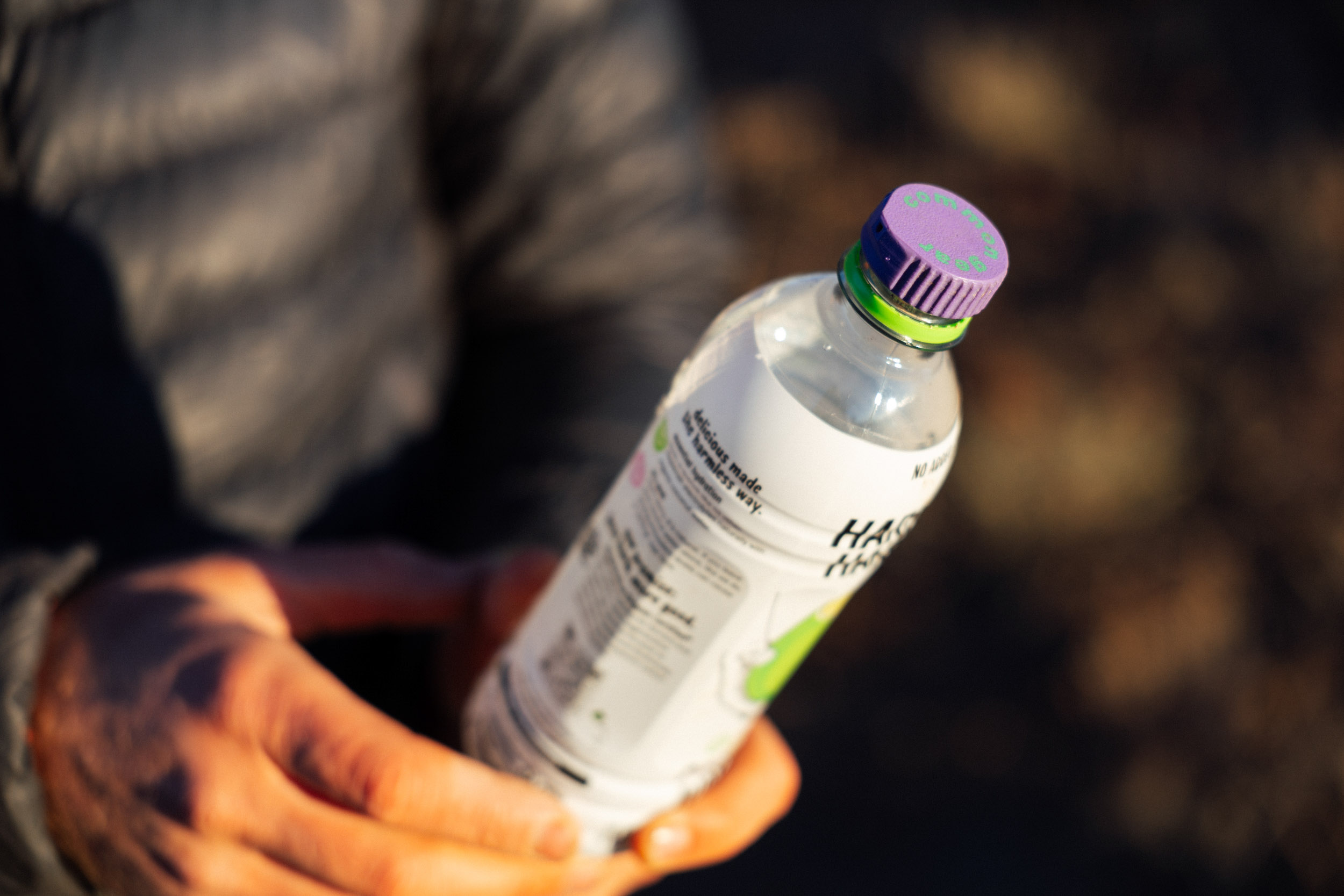
Mine was gifted to me by a friend who is both a guide and an experienced thru-hiker. It screws onto any 28mm-threaded bottle and features a nozzle that’s both precise and sufficiently powerful. A quick Google search will reveal all kinds of 3D-printed options, and the one I have appears similar to this one. I carry some Dr. Bronner’s soap, stored in a recycled eye-dropper bottle, to wash my hands afterwards.
Magnet and Allen Key(s)
$10 at Rivendell
Another contender for the “budget yet very much loved” category – and the perfect gift for the cyclist who has everything, including a steel bike – is this magnet and allen key combo. My buddy Jeremy bought a handful to pass out amongst steel bike riding friends, and I was a fortunate recipient. The concept comes straight from the ever-practical minds of Rivendell, and whilst I’m sure you can source your own rare earth magnet and team it with an existing tool, perhaps saving a few bucks, why not support a cool brand, even in a small way?
Despite all my travels, and all manner of trail riding, the accompanying double-ended 5/6mm allen key – I use mine for tightening the seat post collar or removing through axle wheels quickly – refuses to budge, even when I tempt fate by bragging about its tenacity to friends. The “pushmi-pullyu” shape makes it very satisfying to use, too, and I’ve actually added in a smaller 4mm allen key as a “little spoon” for quickly snugging up water bottle bolts.
Ripton Chore Shorts
Made in USA / $70 at Ripton
These little numbers are made in the US and were an impulse purchase when I was in Boulder visiting Sage, which happens to be where their store is. I’ve been needing a pair of hardy shorts for winter riding and pretty much fell straight in love with these Chores. I think they look great, for starters. But they’re also super comfy, and there’s some welcome stretch to the jean-like material, along with lots of nice detailing. I really like the two big front pockets – plenty of room for my Moleskine diary, or a pair of work gloves for riding in chilly temps – whilst the zippered baby marsupial pouch perfectly fits my wallet.

I’ve been living in these shorts pretty much since getting them, and so far, they’ve proved very hardy, in both Coloradan dirt and Oaxacan dust. I won’t be bringing them to Colombia as it’s likely to be damp, and I expect they’ll take an age to dry. As often happens, they went on sale a week after I bought mine (darn!), so I got a second pair and sized down, since they stretched out a little. I even bought Emma a pair too, and at the time of publishing, the women’s Chores are half price.
Rockgeist Double Dumplings
Made in USA / $130+ at Rockgeist
Some years ago, Logan gave me an original Porcelain Rocket-branded Big Dumpling, and I’ve been using it ever since. Thanks to its stability and easy of access, it’s by far my favourite hip bag for carrying a large mirrorless camera, especially in inclement weather. However, after countless rides and a genuinely hard life, the material had cracked and delaminated enough that it was time for a replacement. Why change what works so well? Greg at Rockgeist sent me the latest version to take to South America, which I’m glad to report is just as well-made and equally comfortable.

To keep this Big Dumpling company, we now also have a Little Dumpling, which Emma will be bringing with her, perfectly proportioned for a wallet, snacks, gloves, and the likes of a Fuji X100, too. Even if you’re not camera-toting, its quick access, via a simple and repairable bungee cord, is a real improvement over zippers in my opinion, especially for quick draw snaps.
Opinel No 7 Folding Knife
Made in France / $20 at Opinel
I guess I missed the bit on the packaging that said “My First Opinel,” as technically this variant on the classic Opinel No 7 is aimed at kids because it doesn’t have the pointy bit. I actually picked mine up at a Decathlon, after my favourite Opinel was confiscated by Eurostar, even though I’d checked in my bike bag and it was stored elsewhere on the train! However, I now love the fact it’s shaped like a butter knife, because even if I’m not carrying butter – nice on a winter tour but not very warm weather friendly – I’m always packing peanut butter.

And, as everyone knows, pointy knives and peanut butter are a recipe for dissatisfaction! As you might hope, its shape works equally well for spreading goat’s cheese, which pairs especially nicely with slices of apple and some nut butter on a piece of sourdough bread, my current favourite trail snack.
Ground Effect Tardis
Made in New Zealand / $150 at Ground Effect
I’ve pressed my favourite bike bag into service several times this year, across almost all modes of transport. In fact, I’ve had the Tardis – a name that Doctor Who fans will appreciate – for more years than I can keep track of. Like its namesake, a police box that travels through space and time, the Tardis really does seem to be bigger on the inside than the outside would suggest. This fall, I used it on a flight to Girona, building up my bike outside the airport and riding into the city – a pleasant 12-kilometre route that’s even gravel in places – saving myself the logistics of public transport. Even if I’d sprung for a taxi, it would have fit across the rear seat of a small European car, unlike an unwieldy cardboard bike box. The Tardis also packs down small enough – roughly A4 in proportion and weighing only 1800g – making it easy to store in a hotel or even posted onwards.
Just as handily, the Tardis slips within the size constraints of high-speed European trains, such as the TGV we took earlier in the summer across France. The bag includes strategically placed foam padding around the wheels plus frame and fork spacers, which I supplement with clothing and gear. But for additional protection when flying, I add pieces of cardboard that I find locally and jam between the frame and wheels. As compact as it is, the size of the Tardis has increased a little over the years, accommodating longer wheelbases and larger wheel sizes. I’ve managed to fit a fat bike and various 29ers in mine, and there was room for Emma’s Esker Japhy, which has a modern, slack geometry. Given its sandwich-style design, the Tardis seems best suited to hardier mountain bikes, gravel bikes, and touring bikes, at least if you’re flying. In all the years I’ve used mine, I’ve never had any damage to a bike – knock on wood – though the bag itself has shown some wear and tear, which is easy enough to repair. I still have my original bag from the days when I toured with a 26-inch mountain bike, which Sage now uses for his Surly Bridge Club. Lastly, Ground Effect is a great little brand that has always focused on making well-designed and durable gear, without trying to conquer the world.
Spending less time on the gram!
Like many, I often succumb to the dubious pleasures of the Instagram scroll. I’ve long enjoyed the creative aspect of posting there, and having closed my Facebook account, it’s my way of keeping in touch with far-flung friends. Instagram is a place where I can follow all manner of interesting rides and projects under one convenient roof – many of which can only be found there. But… whilst I used to think of the platform as inspirational and largely benign, it’s becoming increasingly hard to simply see what I’ve come to see, at least without being overwhelmed by all the nonsense that’s forced upon me. The fact that we all carry our phones everywhere, and cellular data is so prevalent, adds further to the issue. And of course, time spent on there means time lost interacting with the real world.

I’m not sure what the answer is, and our overuse of social media is undoubtedly a complex problem within society as a whole. Some may have better self-control than I do and be more successful at extricating themselves from its wily siren call. My tactic is to limit myself to 25 minutes per day, which I hope to whittle down to 15 minutes in 2026! I should probably also cut down on my posting, as less content in general is probably no bad thing these days… I’ve also tried to funnel some of this creative energy over to keeping an “old-fashioned” blog, which you can find here. I’ve kept an online journal for well over 20 years now, so it’s good to be back on familiar ground, tending to my own little garden in the internet. Whilst blogs can’t match Instagram’s reach, I increasingly appreciate the intentionality of visiting them and the defined end rather than an endless scroll. They’re invariably a treat to look back upon, and more personally, I hope my son enjoys perusing mine in years to come.
Embracing Community Vibes
I know it’s been said before and appreciated by many, but this year, I’ve been especially grateful for my bicycle community. Or more specifically, my worldwide bicycle community. The time I spent in the Pyrenees is a good example. Hosted on my first night by Russ and Laura from Path Less Pedaled, I was introduced to local gravel rider and guide Peter Gaskill, who kindly shared all sorts of route suggestions with me. Along the way, I was also invited in by ultra endurance racer James Hayden, who lives in these glorious mountains and organises El Piri, an event that’s as much about community as it is racing. In fact, it doesn’t even mention the word race on its homepage.
Over in the UK, Tom Farrell and the fabulous Woods Cyclery is an instant community hub (thanks for the Rambler action shot, Tom!) and one that I look forward to being apart of every summer, complete with coastal campouts, coffee outsides, and wild swims galore. And then there’s my New Mexico compadres, who always make me so at home that I have the hardest time leaving, along with my fledgling Colorado community, where my son now lives. There, I always try to meet up with Gabriela Hydle, who is tirelessly active in helping Latina women get on bikes and into the great outdoors.
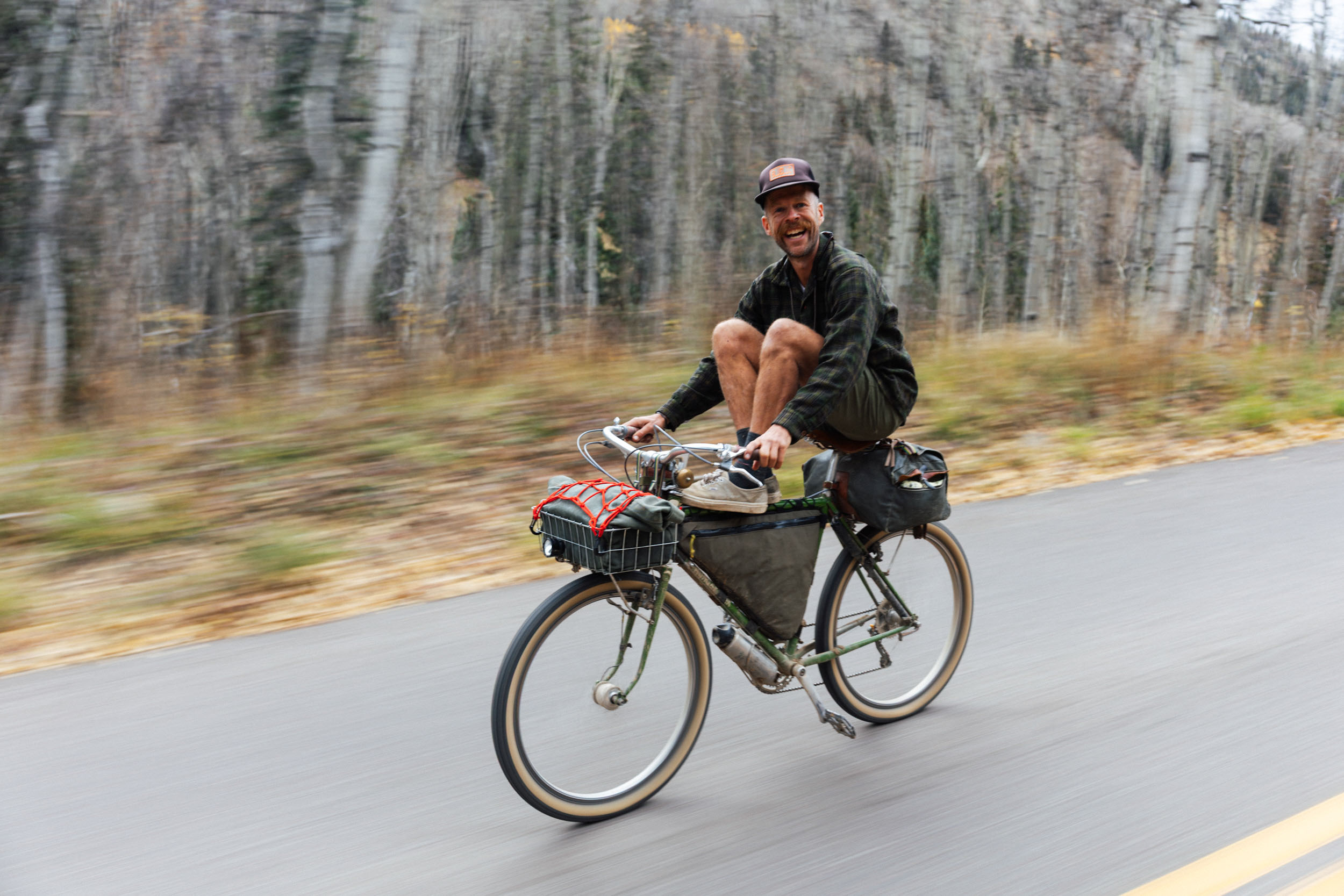
This year, I also caught up with Lucas and the Monopole cargo bike for an overnighter, and Vaughn and I enjoyed a number of long-weekend outings in the area, including Neil’s Gunny Grinder and the fabled Pearl Pass, which I’ve written about for the 15th issue of The Bikepacking Journal. Whilst our bikepacking community is a little thinner on the ground in Oaxaca, it’s as varied as anywhere, its protagonists including Adam, his Norco Sasquatch, and little Laurita, along with friends who have visited, too. Logan is also now based here, and we’ve shared a couple of epic coffee outside overnighters this month.
To ride your bike in a beautiful place is, invariably, a remarkable and uplifting experience. To do so with those you genuinely connect with takes it to another level.
A personal highlight (or two)
It’s no secret that I’m a big fan of Jones bikes, and a personal highlight this year was visiting Oregon and riding with Jeff Jones himself. I still own the first bike of his I tried – a Jones Plus that I reviewed in 2016 and subsequently bought – and since then, I’ve tried out almost all the bikes in the range, be they steel or titanium, diamond or spaceframe. Meeting Jeff Jones, his wife Sheila, and their son Korbin deepened my appreciation of this brand. Certainly, I gained a deeper appreciation of all the elements that go into the design process and the long evolution of these unique bikes. During my visit, I camped in their garden and tried out all the demo bikes, whether on the exact trails where they were developed or on overnight bikepacking trips in the area. Jeff and I even got out for a wild ride on his more powerful e-assisted machines! I also tried the precursor to the LWB – the Long Ranger – a bike that I’ve admired from afar for years, as well as eyeballing all kinds of fascinating prototypes. I’ll be writing up a Shop Visit in the new year, once I wrap my head around the reams of notes I took, in an effort to keep up with Jeff’s remarkable mind.

I also managed to pack in a few fantastic bike tours into my summer in Europe, including a loop around the Gorges de Verdon with my son Sage, and finishing off the marvellous Torino-Nice Rally with Emma, which I’d had to abandon last year when the road was closed by snow – combined with the fact that I was only wearing sandals! But perhaps my favourite trip this year was my ride in the Catalan Pyrenees, which has long been on my wishlist. Solo trips have a restorative quality – it’s just you, the open road, and your thoughts. I find myself more likely to stop and chat, and I had the most wonderful conversation with a shepherd as he tended his 4,000 sheep! I’d originally considered riding all the way from one coast to the other, and I hope to do this one day. But in the end, a lack of time and some logistical challenges meant I delved into Catalonia in a deeper, unhurried way, and I’m very glad I did.
As mentioned above, Peter Gaskill helped draw up a route for me that I thoroughly enjoyed, one punctuated by refugis I often had to myself, and although I was riding solo, it was a real pleasure having him as an “online guide” along the way. In knitting together this trip, I drew from a number of other loops in the area. It reminded me how fortunate we are to have access to such a rich catalogue of bikepacking routes, spearheaded by the vast resource shared on this very site. It also made me appreciate what an effective springboard they can be. With further research, established routes can be customised and made your own, helping to better appreciate and understand an area. Plus, nothing beats local knowledge. Peter had a 3D printed topo map of Catalonia and was able to trace my exact route for me – up, over, and around one plastic mountain after another – when I made it back to Girona!
Further Reading
Make sure to dig into these related articles for more info...
Please keep the conversation civil, constructive, and inclusive, or your comment will be removed.






 English (US) ·
  French (CA) ·