

PROTECT YOUR DNA WITH QUANTUM TECHNOLOGY
Orgo-Life the new way to the future Advertising by Adpathwaycompose Guest time Jul 14, 2026 comment 1
Produced by the organizers of the Trans Balkan Race, “Connecting Dots” provides a behind-the-scenes look at what it means to direct a self-supported bikepacking race, what happens when someone breaks the rules, and the pressure of making decisions in real-time. Watch the engaging 30-minute video and find a written reflection from organizer Beatrice Mezzena Lona here…
Words by Beatrice Mezzena Lona, photos by Luca Petrinka
Ultra-racing is no longer as niche as it once was. Races are bigger, more people are watching, more riders are joining, and with sponsorship, media attention, and money entering the scene, the stakes are higher than before.
As the sport grows, questions about rules, fairness, grey areas, and responsibility are becoming increasingly visible. Decisions that once might have stayed inside a small community are now discussed by a much wider audience, often from the outside, and usually with only part of the picture.

So, we had to ask ourselves: Is it really our place to share the details of a situation so complicated that it kept us awake for days? Is it right to publicly talk about what happened, knowing it would open us to criticism and expose a rider to public discussion?
At the same time, we had to ask ourselves another question: Why was our word not enough when we announced that a rider had been disqualified 74 kilometers from the finish line? Why was the decision questioned so heavily? Why did a single explanation, “outside assistance,” leave so much room for interpretation? These questions are part of why Connecting Dots exists.
When we first started filming in early 2026, we thought we were making a very different documentary. The original idea was to simply show the Trans Balkan Race from the inside, through the eyes of race directors. We wanted to offer a deeper look into what usually remains invisible from the outside: the love, attention to detail, logistics, pressure, and commitment that go into organizing a 1,400-kilometer unsupported race across Slovenia, Croatia, Bosnia and Herzegovina, and Montenegro. We wanted to show what it means for us to follow riders into that adventure.
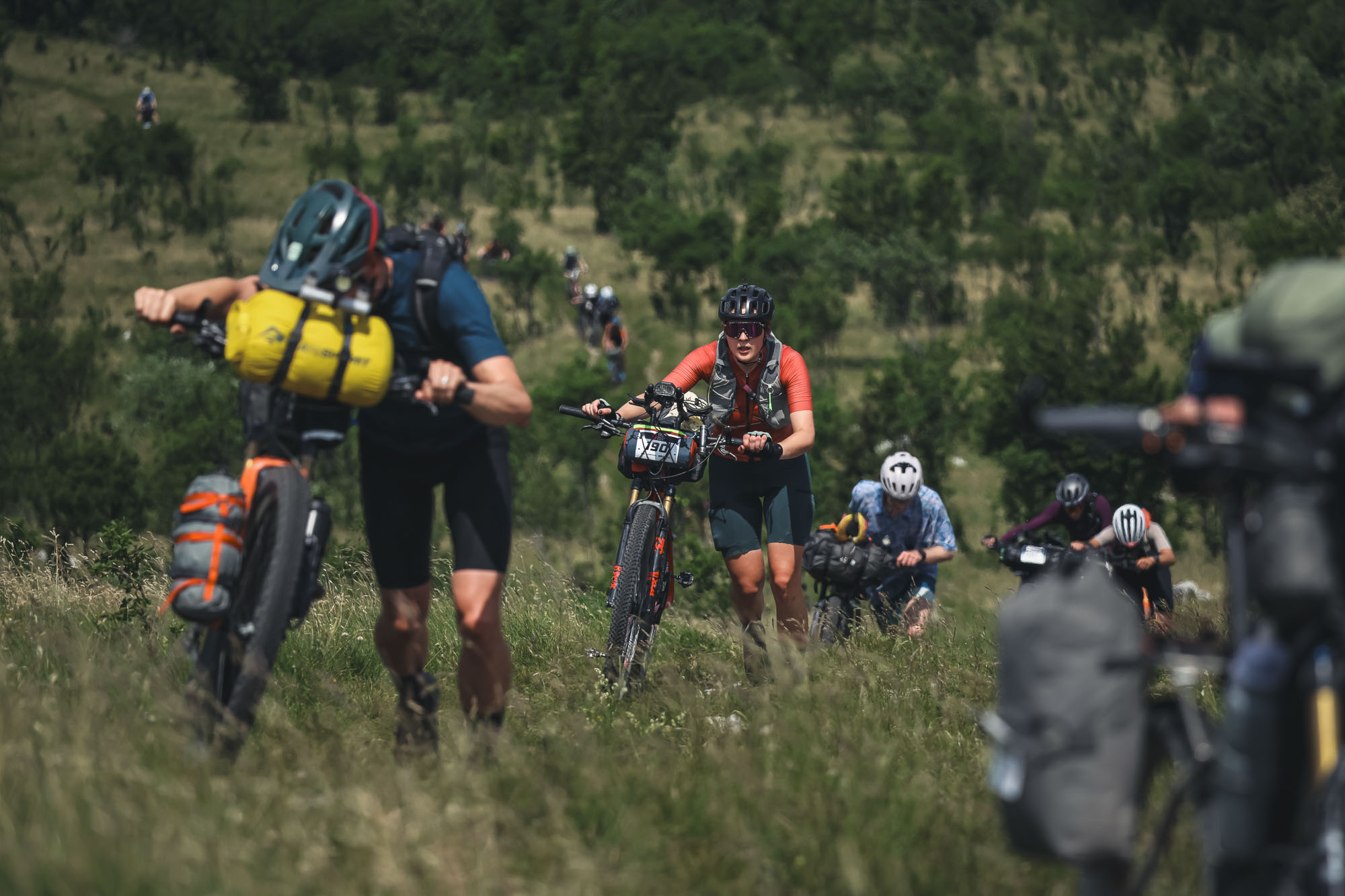
Unsupported ultra-racing is built on simple rules, but those rules carry a lot of weight. Riders must follow the route, carry their own equipment, find their own food and water, and solve their own problems along the way. Outside help is not allowed unless it is equally available to every other rider.
On paper, it sounds straightforward. In practice, those rules are what protect the meaning of the race. They are what make the experience fair, what allow riders to face the same route on their own terms, and what hold together the fragile foundation of unsupported racing: trust.
And this is where Connecting Dots begins. During the 2026 Trans Balkan Race, that trust was tested. As the race unfolded, small details began to matter, and questions emerged. Situations that might have seemed insignificant on their own started to create a bigger, foggy picture. At that point, the film changed with the race.
What began as a documentary about race direction became something more difficult, more uncomfortable, and ultimately more necessary: a reconstruction of what happened from where we stood, inside the race, carrying the pressure of decisions that had to be made in real time, with incomplete information and consequences that affected the whole event.
Connecting Dots is not a perfectly polished film. It rather sees the race from the inside, while everything is still happening, with all the uncertainty, exhaustion, doubt, urgency, and responsibility that came with it. And it follows the events as we experienced them. You’ll see the things we saw, the questions we asked, the actions we took, and the weight of trying to understand what was happening before it was too late to act.
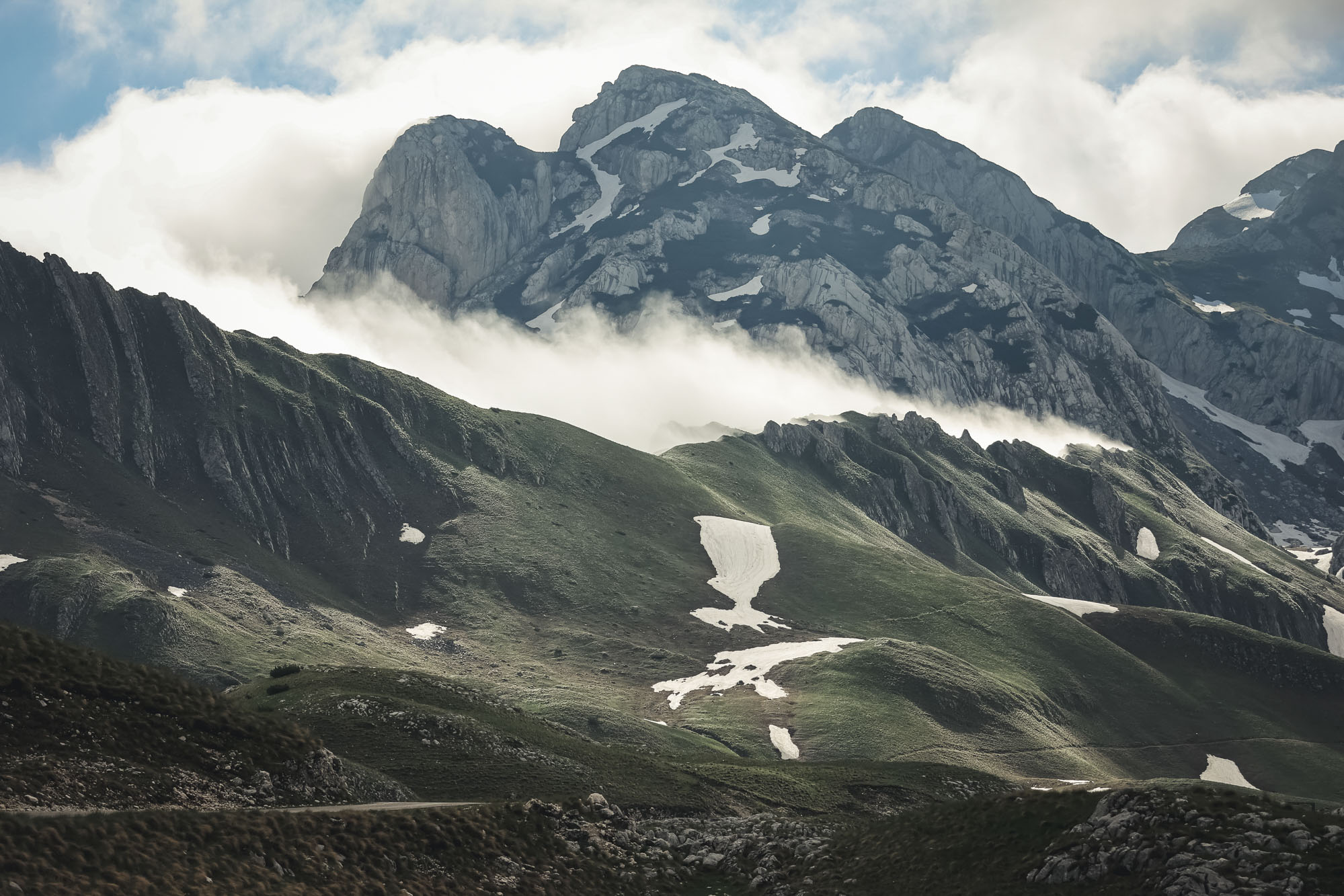
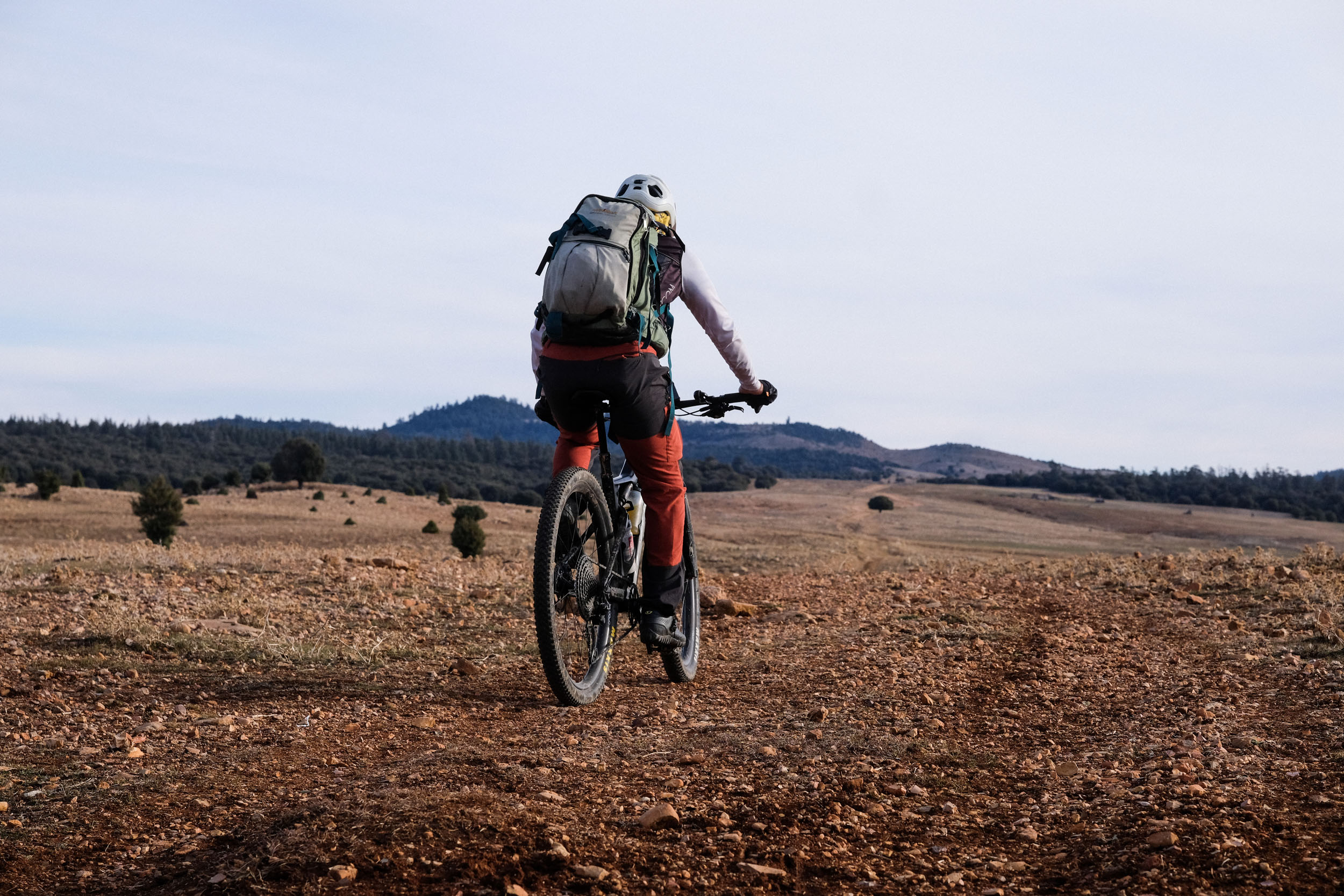
But this film is not only about the situation that took center stage. We hope it also shows the race itself: the stunning landscapes of the Balkans, the selfless dedication of volunteers waiting at checkpoints, the pressure from race direction, and the strange intimacy that forms when people are pushed far beyond their comfort zones and still choose to keep going.
We know trust in bikepacking is a sensitive subject. We also know that many people have already formed opinions based on fragments of information, assumptions, and what could be seen from the outside. With Connecting Dots, we’re not asking anyone to accept a conclusion handed to them: we’re simply reconstructing the events as we lived through them, with the context we had, the responsibility we carried, and the decisions we made.
You won’t find judgment here. Only facts, context, and the story as we experienced it. Everyone is free to draw their own conclusions. And if it’s true that Connecting Dots was not the documentary we first imagined, it’s also true that, in the end, it may say more about race direction than the film we originally planned.
Further Reading
Make sure to dig into these related articles for more info...
Please keep the conversation civil, constructive, and inclusive, or your comment will be removed.












 English (US) ·
  French (CA) ·