

 4 days ago
4
4 days ago
4
PROTECT YOUR DNA WITH QUANTUM TECHNOLOGY
Orgo-Life the new way to the future Advertising by Adpathway
The center - also called the "five" or the "big" - is one of the five positions in basketball, usually played by the tallest player on the team.
The center anchors the paint at both ends of the floor: protecting the rim and rebounding on defense, and scoring close to the basket on offense.
For most of basketball history, that meant a back-to-the-basket giant who never left the key. The modern game has stretched the position out to the three-point line... but the core of the job hasn't changed a bit.
What is a Center in Basketball?
The center is the "5" in a team's lineup of five basketball positions.
Positions are numbered 1 through 5: the point guard is the 1, the shooting guard is the 2, the small forward is the 3, the power forward is the 4, and the center is the 5.
You'll also hear the center called "the big" or "the pivot," and the nicknames tell you a lot about the role:
Almost everything a center does happens around the key. They establish position in the low post on offense, they defend the rim on defense, and they battle for rebounds at both ends.
While the guards spend most of the game on the perimeter, the center lives in the paint.
Control the paint, and you control the game.
The 8 Best Centers of All Time
Ask ten coaches to rank the greatest centers ever and you'll get ten different lists...
But these eight names will appear on nearly all of them.
1. Kareem Abdul-Jabbar – The NBA's all-time leading scorer for almost four decades with 38,387 points, six championships, and six MVP awards. His skyhook is still the most unstoppable shot in the history of the game - a hook shot released so high that nobody could touch it.
2. Wilt Chamberlain – The most dominant physical force basketball has ever seen. Wilt scored 100 points in a single game, averaged over 50 points for an entire season, and still holds the NBA's career rebounding average record at 27.2 per game.
3. Bill Russell – The greatest winner in the history of American team sports, with 11 championships in 13 seasons for the Boston Celtics. Russell revolutionized defense with his shot-blocking, and much of Boston's offense started with his defensive rebound and outlet pass.
4. Shaquille O'Neal – At 7'1" and over 300 pounds, Shaq was simply too big and too strong for anyone to guard one-on-one. He won four championships and three straight Finals MVPs, and the phrase "Hack-a-Shaq" exists because fouling him was the only strategy left.
5. Hakeem Olajuwon – The only player in NBA history to win MVP, Defensive Player of the Year, and Finals MVP in the same season. Hakeem's footwork was the best any big man has ever had, and his signature Dream Shake carried Houston to back-to-back titles.
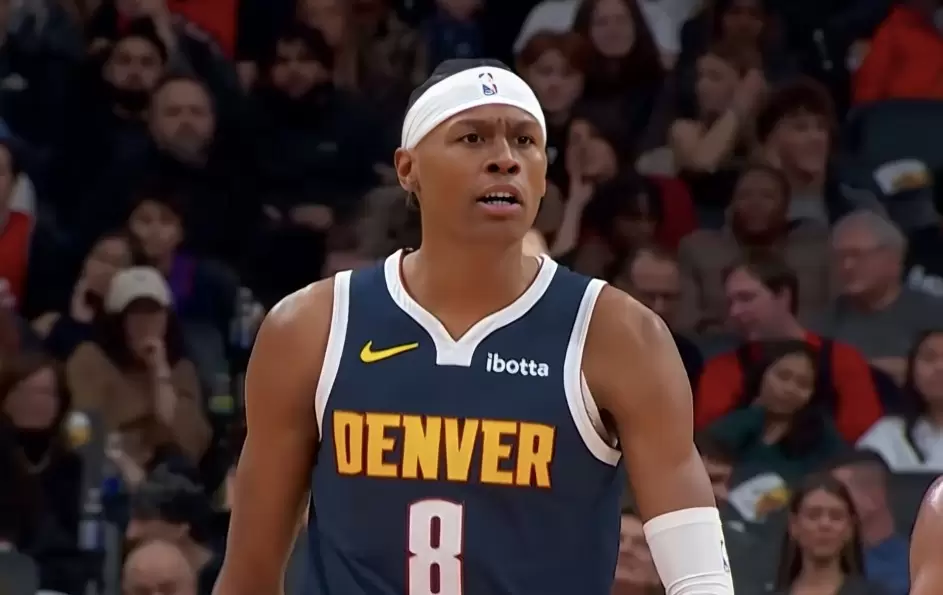
6. Nikola Jokić – The best passing big man of all time, and the player who redefined what a center can be. Drafted 41st overall, Jokić has won three MVP awards and a championship by running Denver's entire offense from the center position.
7. Lisa Leslie – The first player to dunk in a WNBA game and the face of the league in its early years. Leslie won three MVP awards, back-to-back championships with the Los Angeles Sparks, and four Olympic gold medals.
8. Sylvia Fowles – The most dominant defensive center in WNBA history. Fowles won four Defensive Player of the Year awards, two championships (earning Finals MVP in both), and retired as the league's all-time leading rebounder.
What Does a Center Do?
The center's job description is simple to state and hard to do:
Own the paint at both ends of the floor.
Here are the eight key responsibilities:
On Offense:
1. Score Inside – Most of a center's points come at the rim. That means fighting for deep post position, finishing through contact, and executing post moves with either hand.
2. Rebound the Ball – The center should be the best offensive rebounder on the team. Every putback is two points the defense thought they'd already prevented.
3. Set Strong Screens – Great centers free up their guards. A well-set screen (legal, wide base, hold your ground) creates open shots without the center ever touching the ball.
4. Pass Out of Double Teams – A center who scores inside will attract extra defenders. When the double comes, they must find the open teammate — a cutter, the opposite big, or a shooter on the perimeter.
On Defense:
5. Protect the Rim – The center is the last line of defense. Whether that's blocking shots or simply making drivers think twice, their presence alone changes what the offense is willing to attempt.
6. Control the Defensive Glass – A defensive possession isn't over until the rebound is secured. The center must box out and finish possessions.
7. Guard the Opponent's Biggest Player – Centers almost always match up with each other. Giving up easy post position to the other team's five is one of the fastest ways to lose a game.
8. Anchor the Help Defense – When a teammate gets beaten off the dribble, the center rotates over. We want our center talking constantly - calling out screens, directing traffic, and organizing everyone in front of them.
5 Traits of a Great Center
1. Height – Size is the trait that puts most players at the five in the first place. The taller the player, the closer their release point and rebounding range are to the rim... and there's no defense for a shot released above everyone's reach.
2. Strength – Centers spend the entire game in contact. Holding post position, boxing out, battling through screens - none of it happens without a strong base and core.
3. Physicality – Plenty of players are tall and strong. Far fewer are willing to USE it on every single possession. The great ones embrace the contact instead of avoiding it.
4. Mobility – The center will never be the fastest player on the floor, and that's completely fine. But they must be able to run the floor, move their feet defensively, and get off the ground quickly.
5. Conditioning – Smart opponents will push the tempo specifically to wear the big man out. A center who can't play heavy minutes at full effort gives that strategy exactly what it wants.
Types of Centers (And How the Position Has Evolved)
Not every five plays the same way. Here are the four main types you'll see today:
1. Traditional Center – The classic back-to-the-basket big. They post up on offense, protect the rim on defense, and rarely venture outside the paint. Rarer than they used to be, but still highly effective at most levels of basketball.
2. Stretch Five – A center with legitimate three-point range. The stretch five drags the opposing big man away from the basket, which opens up the paint for cutters and drivers.
3. Small-Ball Center – An undersized player (often a natural forward) who plays the five to give the lineup extra speed and shooting. We cover this in more detail in our basketball positions guide.
4. Point Center – The newest evolution: a center who runs the offense like a point guard. Nikola Jokić is the model — the ball goes through him on nearly every possession, and the defense has no good answer for a seven-footer who passes like that.
The position keeps evolving toward positionless basketball, but the fundamentals underneath it - rebounding, rim protection, interior scoring - haven't gone anywhere.
How Tall is a Center in Basketball?
Centers are almost always the tallest players on their team.
Here's what that looks like at each level:
- NBA – Most centers stand between 6'10" and 7'0", with several notable players above that range.
- WNBA – Centers are typically around 6'4" and above.
- College (men's) – Usually in the 6'8" to 6'11" range.
- High school – Varsity centers are often anywhere from 6'3" to 6'8", depending on the size of the school.
- Youth basketball – Simply the tallest player on the team, regardless of actual height.
Here's the truth about height at the five:
It helps enormously, but it isn't everything. An undersized post player with strength, smart positioning, and relentless effort can absolutely hold their own against taller opponents.
How to Play Center (5 Tips)
1. Master Two or Three Post Moves – You don't need ten moves. You need a go-to move, a counter, and the footwork to execute both with either hand. Start with our guide to post moves and build from there.
2. Play 1-on-1 in the Post – Live reps against a real defender build the toughness, timing, and anticipation that no drill can replicate. Both players improve every rep — the scorer AND the defender.
3. Become a Reliable Free Throw Shooter – Centers get fouled constantly, and opponents will foul a poor shooter on purpose. Free throw shooting is what keeps a dominant big on the floor in crunch time.
4. Develop a Midrange Jump Shot – A center who can knock down a 10-15 foot shot forces their defender away from the rim. Even the threat of it changes how the defense has to play.
5. Get in the Weight Room – Strength is non-negotiable at the five. A consistent strength program is the fastest way for a young center to raise their level, because the position rewards physical presence more than any other.
Center FAQ
Why is the center called "the five"?
Coaches number the positions 1 through 5 — point guard (1), shooting guard (2), small forward (3), power forward (4), and center (5). The numbering makes it faster to communicate plays and assignments.
Is center the hardest position in basketball?
Every position is hard in different ways, but the center has the most physically demanding job — constant contact in the paint, guarding the opponent's biggest player, and rebounding through traffic on every possession. Most coaches would say the point guard carries the heaviest mental load and the center carries the heaviest physical one.
What's the difference between a center and a power forward?
The center is usually taller, stronger, and anchored to the paint on both ends as the primary rim protector. The power forward is slightly smaller and more mobile, which allows them to defend further from the basket and play on the perimeter offensively. On many teams, the two positions share the rebounding and interior defense workload.
Who is the best center in the NBA right now?
Nikola Jokić and Victor Wembanyama lead most current rankings, with Joel Embiid and Bam Adebayo also in the conversation. Jokić's three MVP awards make him the safest answer.
Do centers need to shoot three-pointers?
No — but it helps. A center with three-point range (a "stretch five") makes the offense much harder to defend. At the youth and high school levels, interior skills, rebounding, and defense matter far more than outside shooting.
Conclusion
The center in basketball is the anchor of the team - the tallest player on the floor, responsible for protecting the rim, controlling the glass, and scoring inside.
The position has evolved, and the modern five is more skilled than ever... but the job description hasn't really changed since the game was invented:
Own the paint, and everything else gets easier for your team.








 English (US) ·
  French (CA) ·