

 3 weeks ago
28
3 weeks ago
28
PROTECT YOUR DNA WITH QUANTUM TECHNOLOGY
Orgo-Life the new way to the future Advertising by AdpathwayPublished July 15, 2026 08:23AM
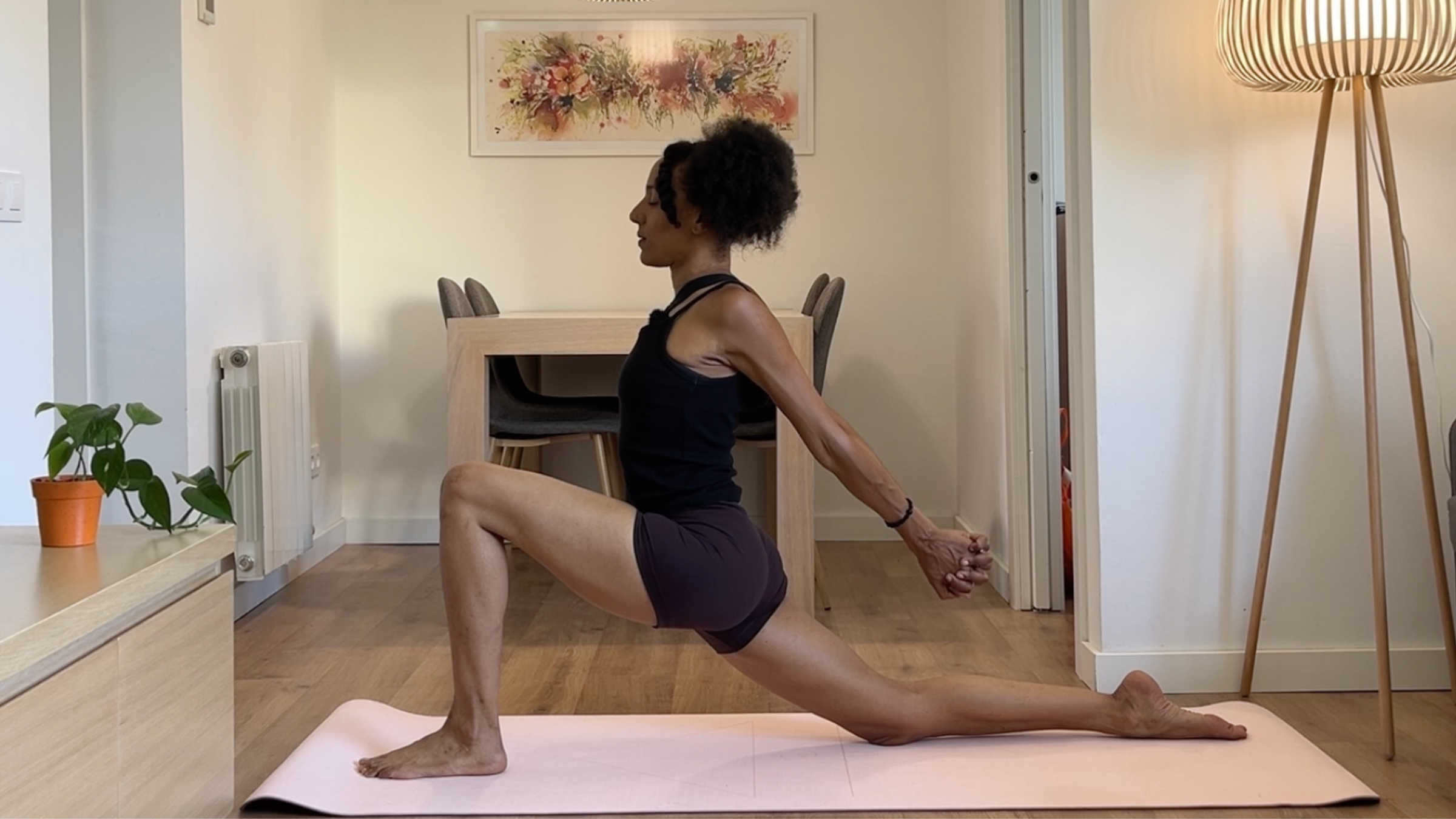
I’m in a morning yoga class, and the sequence repeatedly takes us into High Lunge. My lower back feels better when I bend my back leg a little, but the teacher is walking around and repeatedly telling everyone to straighten our back legs. Feeling a little intimidated by her insistence, each time she walks by me, I straighten it—and then bend it again when she turns away. Eventually, though, she sees me with my back leg bent. Looking straight into my eyes, she repeats the cue to straighten it. So I followed her instruction—mainly so I wouldn’t be singled out again for not doing it.
Like most forty-somethings, I have a few physical issues that aren’t serious but are difficult to describe. Since I practice and teach yoga, however, I’m comfortable adapting poses for my body. What’s uncomfortable is when a teacher tries to correct the version of the pose I’m doing, and suddenly I feel as if I’m disobeying them if I don’t follow their cues exactly.
I’ve also been on the other side of this experience. As a yoga instructor, I realize it’s unlikely I’ll know exactly what’s going on with everyone’s bodies. Yet I’ll still want to help as best as I can.
The reality is, yoga teachers need to be honest about whether the advice given to students to somehow “fix” their poses is necessary. In fact, it might be the assumption that a student’s pose is in some way broken that needs fixing, rather than the pose itself.
4 Things to Consider Before“Fixing” a Student’s Pose
Not all help, however well-intentioned, is actually helpful. Experiencing this truth has made me more cautious as a teacher about meddling with students’ poses. So how do yoga teachers decide if it’s worth cueing a student to adjust a pose? The following points help slow down the urge to “fix” a pose and determine whether it’s worth it.
1. Students might be fine where they are
If you allow for the possibility that a student prefers a variation or an alternative pose, your mindset might become more curious than critical.
You don’t need to know how all possible conditions or limitations could affect someone’s practice. You just need to respect that they might have a valid reason for doing what they’re doing. Are you sure that a student isn’t adapting their practice to take care of themselves? Or even doing something a medical professional might’ve suggested?
You can always open the door to students by saying, “Flag me over if you need help or if you aren’t perfectly happy right now.” Or ask a student, “Are you good?” A quick check-in can also help you determine if your interference is welcome. If they say they’re okay—even if you had another vision of the pose in mind—ditch the correction.
Another way to make yourself available to assist without pressuring students is by saying to the class, “Let me know if you want another way to experience this stretch.” That way you’re giving students the power to ask for help without assuming they want—or need—it.
2. The best cues have reasons behind them
Ask yourself why you’re assuming that a pose should be done differently. Often, it’s because you’ve heard from your teacher that a particular version of a pose is “right” or “better.” But even often-repeated guidance about what will keep students safe might have little basis in fact.
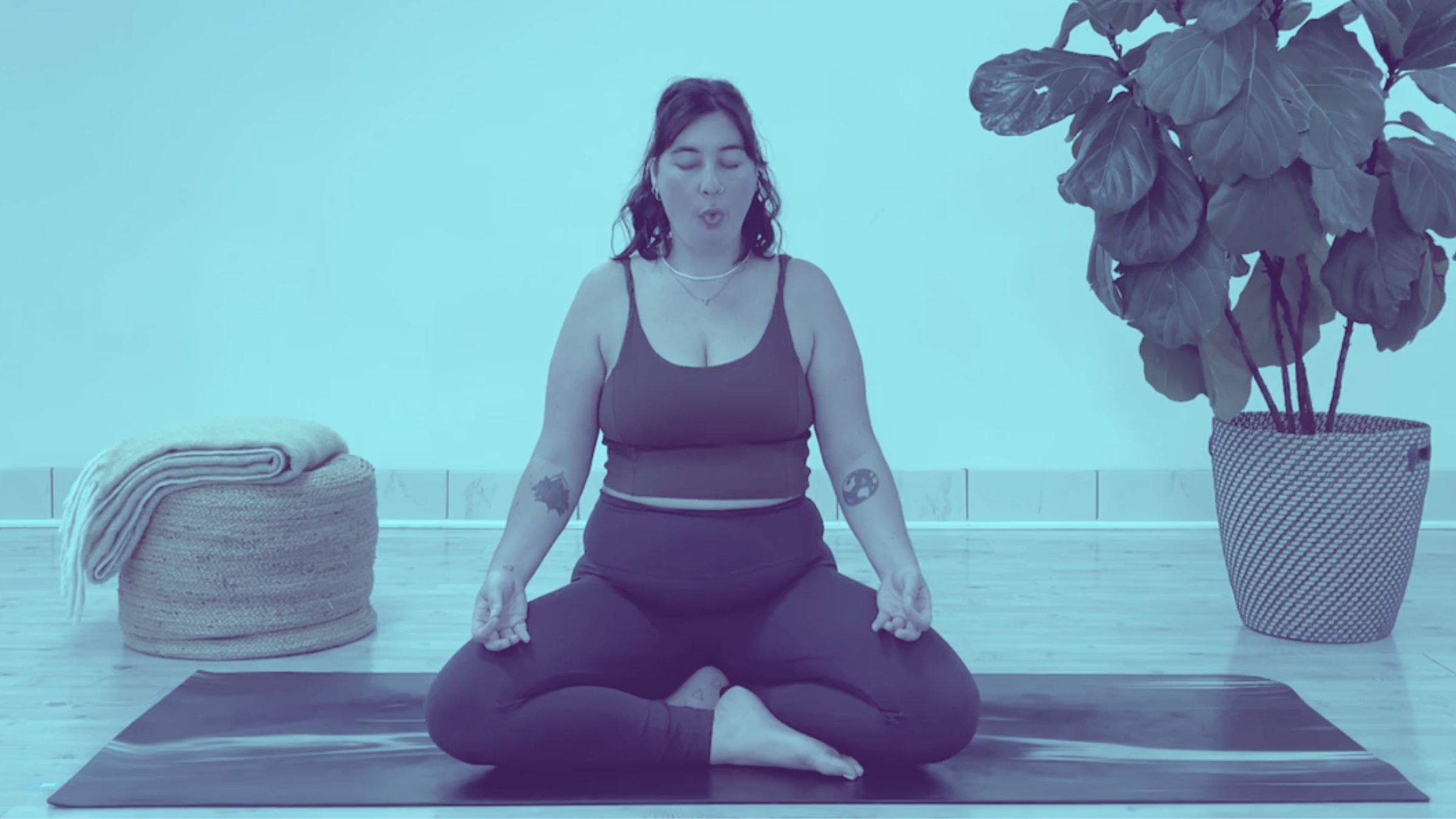
Respect for teachers and tradition has a long history in yoga, although that doesn’t mean there can’t be alternative approaches that better suit your students. Richard Rosen, yoga instructor and author of Original Yoga, learned this firsthand. He was cueing a class to do alternate nostril breathing (Nadi Shodhana) while seated when a regular student asked why they couldn’t recline for that particular pranayama.
“I hemmed and hawed…and I’m sure I left the student feeling very uncomfortable about what was essentially a non-answer,” says Rosen. He realized that he’d been parroting the words of one of his own instructors for decades without understanding them. Rosen later emailed the student to admit his ignorance. Now he advises students to sit while conceding that lying down is acceptable—at least until he learns more. “Question everything and everyone,” says Rosen.
Until you know why you’re saying what you’re saying, invite students to decide what’s best for them. Perhaps you preface a cue by saying, “If you want to try this pose the way my teacher taught it…” or you could even encourage experimentation and say, “You can try it either this way or that way and see what works.”
3. Offer an explanation, not just an instruction
Sometimes there is a solid reason behind the cues. Rachel Land, Yoga Medicine instructor, sees the potential benefits to keeping a straight back leg in High Lunge, for example. “My hope is that it’s meant to activate the quadriceps in the back leg rather than dictate a literal outward shape,” she says.
But she explains working the quadriceps might not be every student’s goal—and not everyone can do that without causing discomfort to the lower back. You can offer this option while also saying something like, “If it helps you activate your quadriceps, go ahead and straighten your back leg,” or, “If you want to activate your quadriceps a little more, you could try to straighten your back leg a bit and see how that feels.”
Just as students might be bending the back knee to find ease in their lower backs, students might have similarly good reasons to keep their socks on in practice or their eyes open in Savasana. If you choose to offer them an alternative, try explaining why you’re offering it—and respect their decision if they decline.
4. Know that your suggestions might not be effective
Go ahead and offer advice if a student is doing something that looks dangerous or uncomfortable or they tell you that they need help. But know your suggestion might not be the magic wand. The best attitude isn’t, “This will make the pose feel better,” but instead, “Let’s try this and see if you like it.” Offer suggestions with curiosity and humility, and stick around to see if they work.
That could mean asking, “Does straightening your back leg feel better or worse in your body?” If it feels worse, you could follow up by asking, “Would you like to bring your back knee to the ground in High Lunge? Oh, that bothers your knee. Let’s try padding it.”
Think of yourself and the student as a team working toward a common goal.
Knowing When to Speak Up Isn’t a Perfect Science
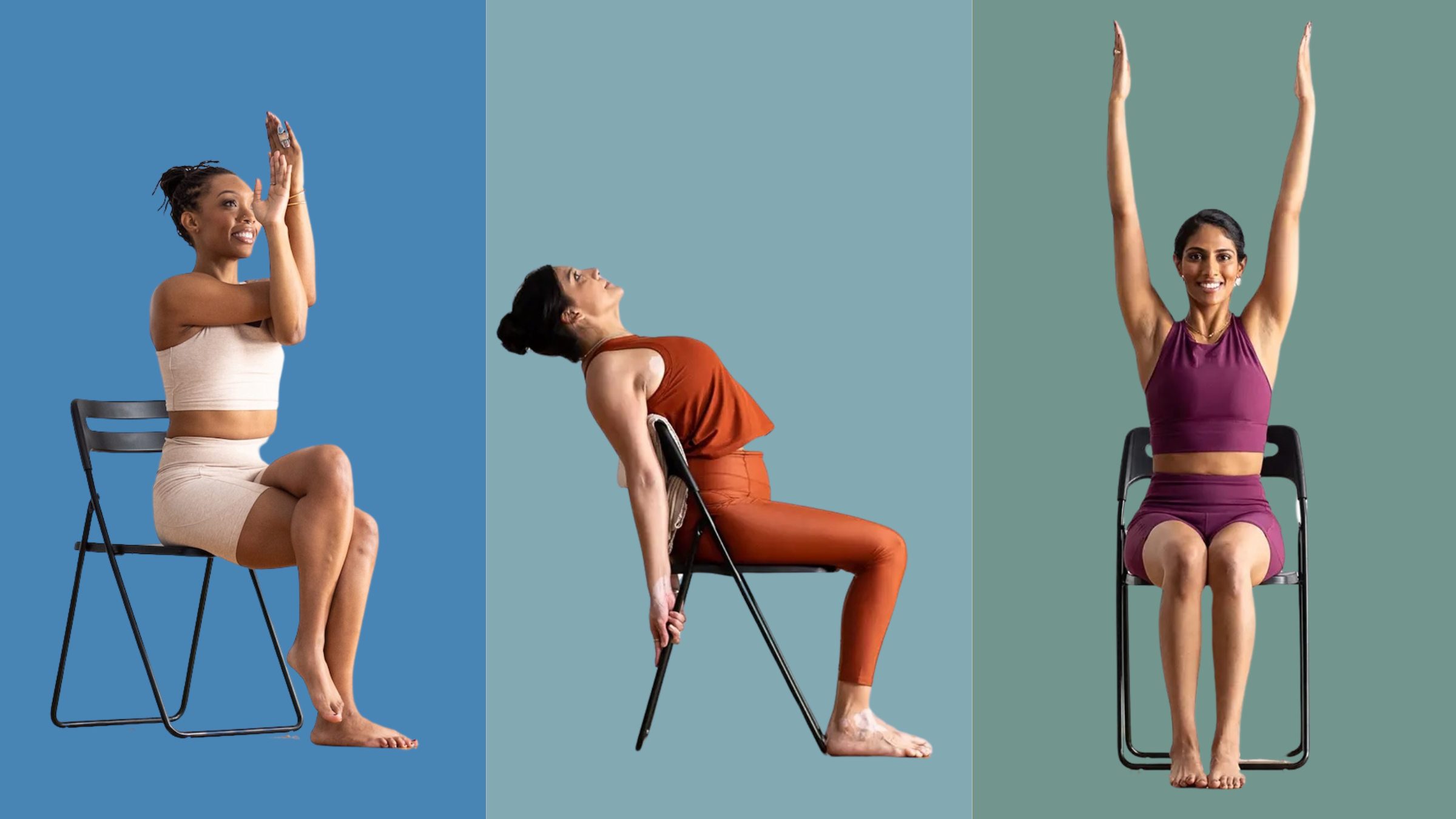
What one student finds helpful might be disliked by another. For instance, I’ve been told that I can be too hands-off as a yoga instructor. Once when I was cueing a supine twist with Eagle legs, one of the students was doing a sort of supine figure-four twist. When she eventually realized she wasn’t doing the same position as everyone else, she turned to me and asked, “Why didn’t you tell me?” I said that the pose she was doing was great and that I wanted her to do what she wanted. She told me that she wanted to be doing what everyone else was doing.
Since then, I’ve tried to validate my students in what they choose to do while also clueing them in if it seems they’ve missed a beat. Sometimes I say, “What you are doing is great. I love that one. I was teaching a twist with Garudasana legs. If you prefer to do something else, feel free, but no pressure.”
As instructors, many of us want to give students advice. It’s a kind of offering of our attention and care. Although for many students, less is more. Maybe they benefit from an invitation to tune into their own sensations, breathe, or draw awareness to a specific part of their bodies. I find that perhaps the greatest gift a yoga teacher can give students is the space to truly experience the practice on their own terms.












 English (US) ·
  French (CA) ·