

 6 days ago
24
6 days ago
24
PROTECT YOUR DNA WITH QUANTUM TECHNOLOGY
Orgo-Life the new way to the future Advertising by Adpathway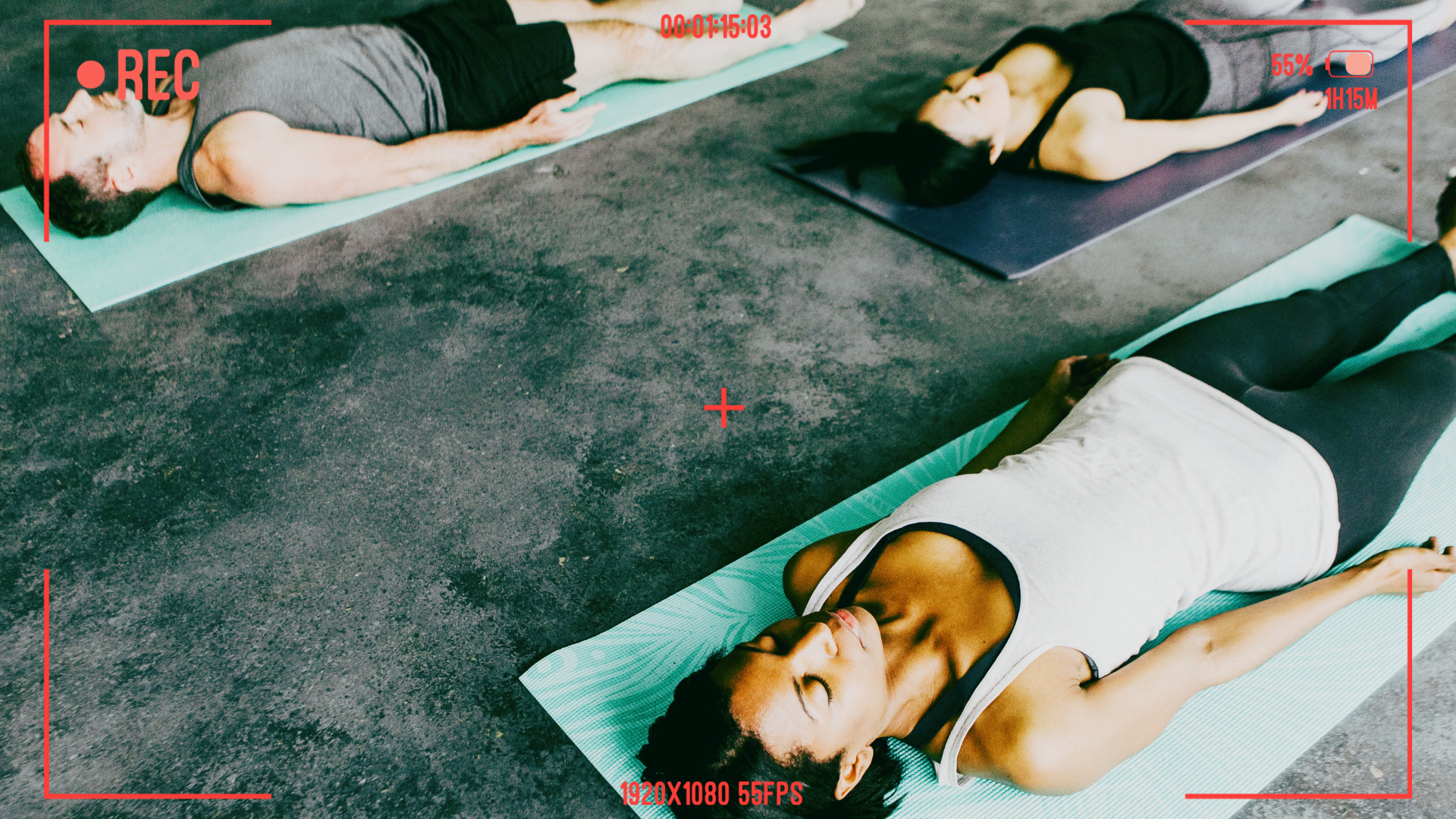
(Photo: Freepik; Canva)
Published May 29, 2026 12:09PM
You do it all the time—walk into a yoga class, unroll your mat, and start to settle in. Whether you feel enthused or exhausted or overwhelmed, you’re ready to practice and relieved or maybe psyched to have an hour to yourself. Then it happens. You see a student setting up a camera or phone to film themselves.
You start to feel a shift inside and wonder if others feel it, too. You look around, trying to see where the camera is pointing, uncertain if you’re in the frame. Maybe you move your mat slightly to feel less exposed.
Yet whether or not the lens is focused on you, it’s too late. You’re already aware of your body in a different way than is intended in yoga. A way that’s focused not on how it feels, but how it looks. You begin to wonder if you should have worn newer leggings, if your hair looks okay, or whether your cleavage or bum is showing when you bend forward. And just like that, how you show up to your practice has changed.
The Problem With Capturing Video in Studio Classes
In recent years, filming a studio yoga class has become increasingly common. Video reels for social media are considered an essential marketing tool by some teachers and studios to help pay the rent. Posting videos is also how some students choose to share an integral part of their life and build community.
But the process of filming in class can disrupt everyone’s experience in different ways.
Yoga is supposed to be an inward practice. It’s not about being watched, evaluated, or documented. It’s about paying attention to what’s happening inside your own body and mind. Filming brings in something else.
The way someone responds to a camera in class can vary by person, by day, and by mood. You may not care one day and find that the next you may want to walk out. You might be self-conscious one day, and the other day want to be in the shot and ask for a copy. No matter the feeling that comes in, the presence of a camera creates the possibility of being seen, and that possibility alone can change how you move, rest, and otherwise drop into your practice.
This places you in another uncomfortable position—needing to opt out of what you never agreed to in the first place. Even when the intention behind filming isn’t that, the intention doesn’t cancel out the effects.
How Studios Are Regulating In-Class Videos
More and more teachers and studios are no longer recording snippets from class and setting limits regarding students setting up cameras.
Some studio policies are straightforward and simply stated, as in, “No filming. No phones.” Other studios are restricting filming to specific classes on the schedules, noting which classes allow students to record and which are camera-free.
There’s also pushback against policing the practice of capturing video. Some studio managers, in defense of capturing class for promotion, explain that when you sign up for a class, you sign a waiver that states you understand practicing in a shared space means your likeness might be captured. Legally, that might be accurate. But ethically, there’s a difference between agreeing to something in theory and being unexpectedly filmed without being offered a clear way out.
Other studios have attempted to find a more harmonious balance through transparency about video being taken. They designate social content days in which they let students know in advance that they’re seeking models for certain classes. Students trade an hour of being a model for free classes.
For students who are creators or teachers who want to record practices, there are options even if a studio has a strict no-filming policy. Some managers allow teachers to film in the studio between classes by bringing in staff and friends to expressly record content. Sometimes there is a flat rental fee for the space, sometimes it’s possible to work out a trade.
Ultimately, the issue is what changes in the student experience when filming is taking place during class. Yoga doesn’t need to be completely separate from the contemporary world, but it is one of the few spaces many people go to intentionally step out of constant visibility. Protecting that, even in small ways, can help the practice remain, at least in part, what it was meant to be.








 English (US) ·
  French (CA) ·