

 3 days ago
3
PROTECT YOUR DNA WITH QUANTUM TECHNOLOGY
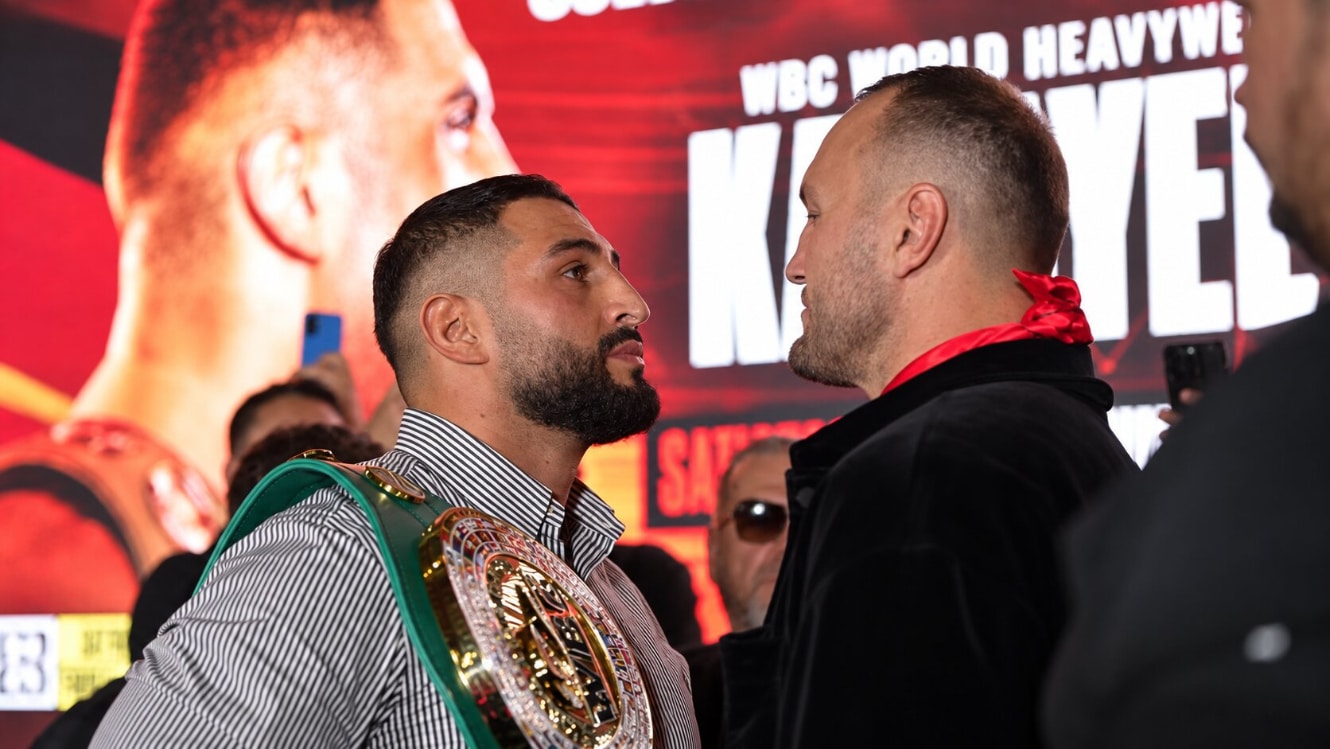
Orgo-Life the new way to the future Advertising by AdpathwayThe U.S. Senate passed the Muhammad Ali American Boxing Revival Act by unanimous consent Thursday, moving Zuffa Boxing’s league model a step closer to federal recognition. The bill would let leagues stage fights between boxers they sign and run their own title systems alongside the traditional sanctioning bodies.
The Senate Press Gallery confirmed that H.R. 4624 passed with a substitute amendment from Sens. Ted Cruz of Texas and Jacky Rosen of Nevada. The House, which passed an earlier version, must agree to the Senate’s changes before the bill can go to the president.
The bill’s biggest change is the creation of a legal path for Unified Boxing Organizations. Under the published Cruz–Rosen amendment, a league would match fighters under contract to it and could run its own rankings. It could also recognize titles and rankings from an independent organization. Fighters could choose to sign with a league or continue working with traditional promoters.
For Zuffa, the benefit is in the matchmaking. If two contenders are on the same roster, the league can put them together without first having to negotiate with a rival promoter. That could help keep a division moving when the best available opponents are already signed. The model is less helpful when the opponent fans want fights for somebody else. The league still needs enough depth in each division to make the fights it wants to sell.
For a boxer, the question is what happens when the league has the belt he wants and controls who gets the next shot. A contender can climb the rankings and still depend on the same company for a date, an opponent and a purse. The amendment addresses some of that leverage. It would generally cap promotional agreements at six years, limit a boxer’s first professional promotional agreement to three and allow talks with other promoters or leagues during the final 90 days of a deal. A boxer could sign a new agreement once the existing one expires.
The published amendment would also set a $200 minimum for each round a boxer participates in, covering traditional promoters as well as leagues. It would require at least $50,000 in medical coverage for injuries sustained during a bout and $15,000 in accidental death coverage. The leagues would also have to carry insurance for injuries sustained while training for a covered bout and use an independent third party to administer drug testing.
The test for Zuffa is whether it can sign enough contenders to make its belts worth chasing. A league can build a title fight from its own roster, but a belt is only as valuable as the competition behind it. For a fighter weighing a multi-year deal, the decisions that count are who he can fight, how often he gets booked and what he can earn by moving up.









 English (US) ·
 French (CA) ·