

 7 hours ago
1
7 hours ago
1
PROTECT YOUR DNA WITH QUANTUM TECHNOLOGY
Orgo-Life the new way to the future Advertising by AdpathwayEverything changed when I took a step back to study myself.
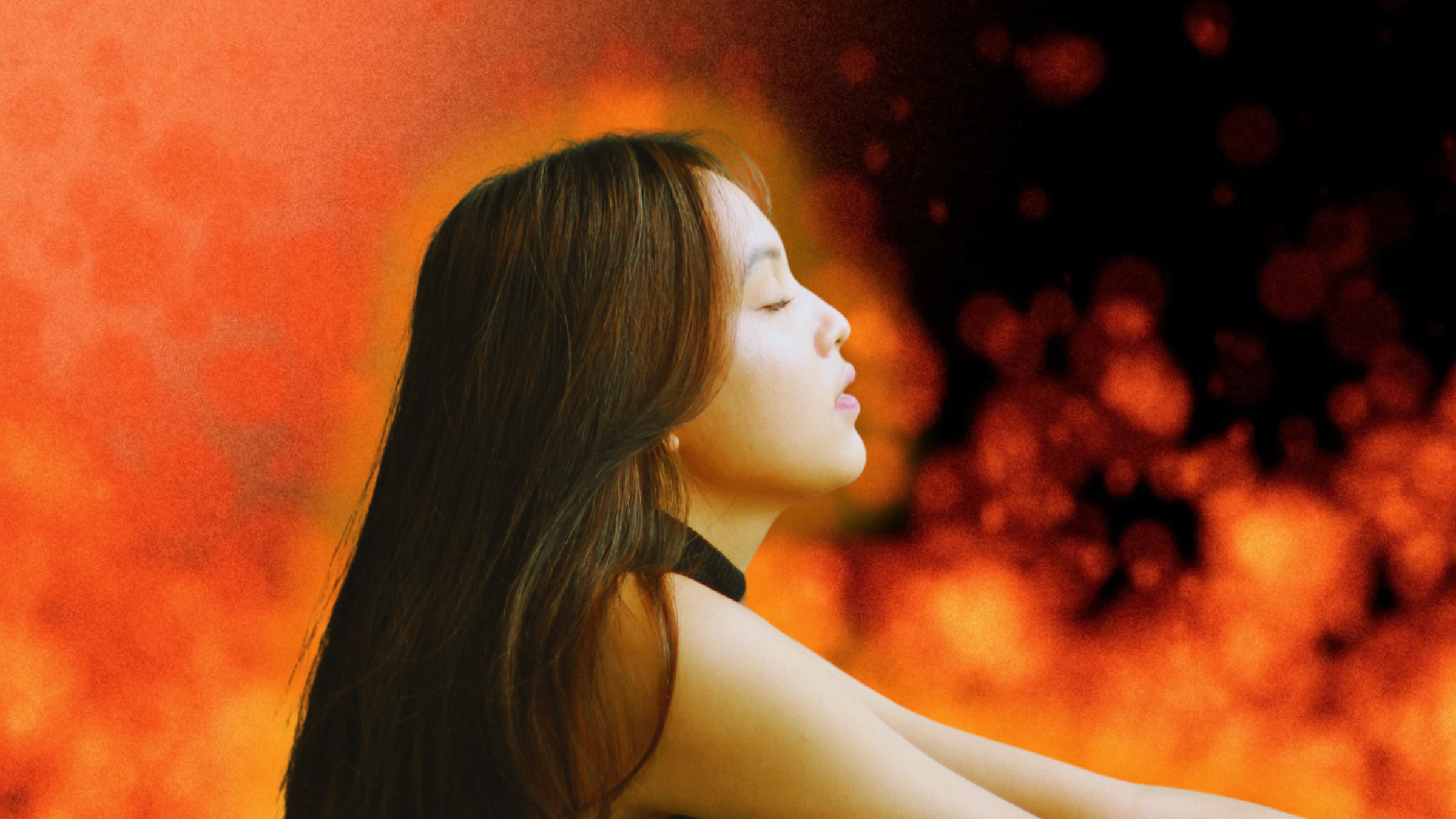
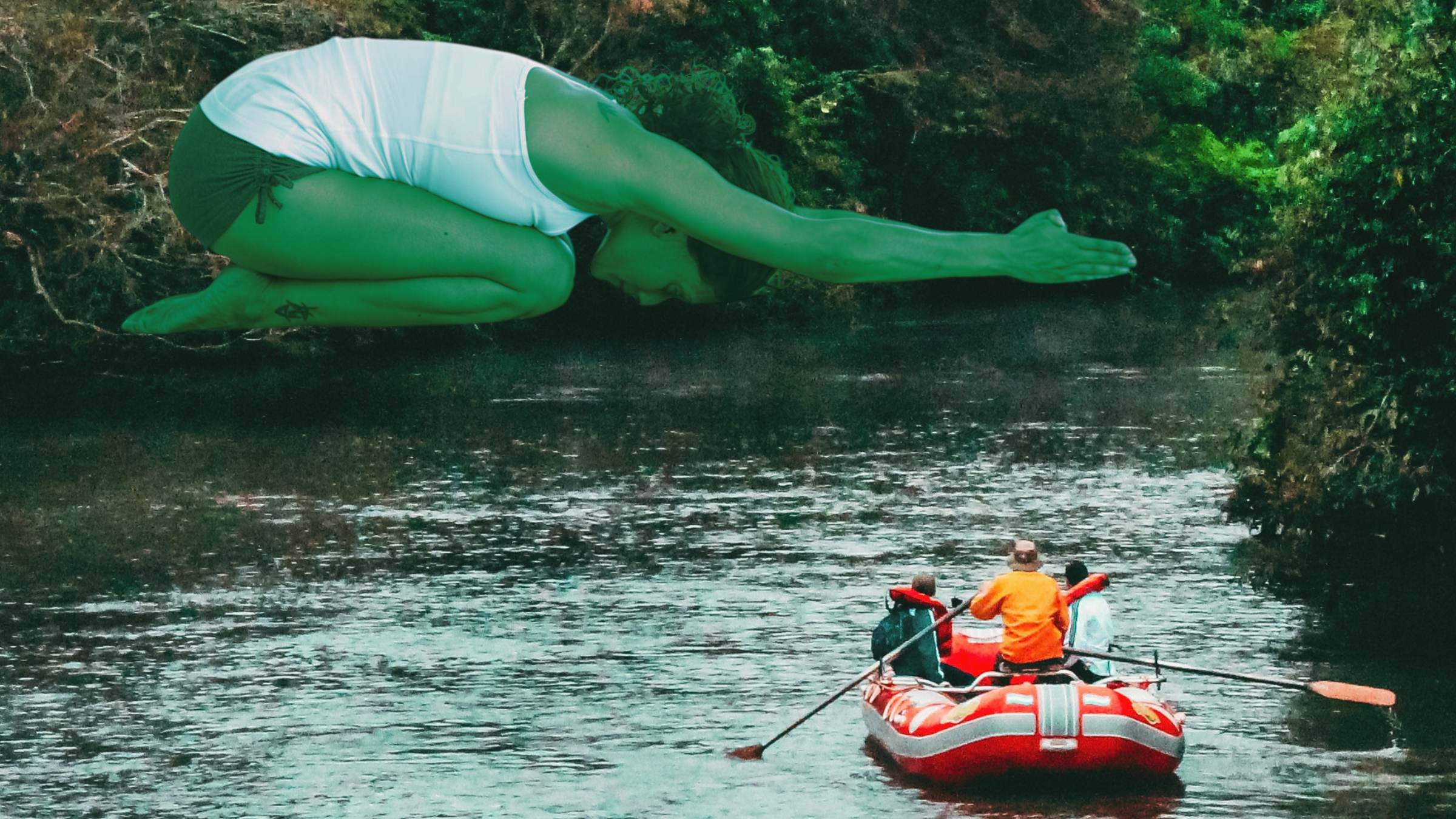
(Photo: Rizky Sabriansyah | Design in Canva by Laura Harold)
Published October 8, 2026 02:04PM
One of the benefits of practicing yoga for emotional regulation is that it can help you manage stressors in real time. Yoga teacher Amber Burke can attest to this. Burke is a graduate of the Yale and the Johns Hopkins Writing Seminars. Her approach to teaching is to support students in creating a practice that is sustainable and sustaining.
While in my early twenties, I lived in New York City. A girl who always thought she had somewhere to go and was impatient to get there, I barreled through crowds of dawdlers, burning up with frustration when I got stuck behind slow walkers. And the noise! One morning, I woke up yet again to the sounds of traffic and jackhammers and yelled out my studio window, “Shut up!!!!” I just wanted the entire city to stop and be quiet for One. Single. Second.
That didn’t happen. The city remained as crowded and loud as ever, and my powerlessness against it turned my ongoing irritation into something closer to despair.
That experience settled it for me—no more cities. Mostly because I didn’t want to be an angry person anymore. So I moved to a town with a population of 8,000. Even when I missed some of what city life offered, I didn’t miss that on-edge version of myself. So perhaps I was asking for trouble by recently deciding to move to London, a sprawling metropolis with a population of 9 million.
My first week in London, walking through unfamiliar streets, I felt my admiration for the city’s glories interrupted by that same familiar indignation. There were walkers so absorbed in their phones, weaving so heedlessly, that there was no way for me to get around them with my dogs; a blockade of strollers that forced us off the sidewalk and into the street; a car that cut me and the dogs off in a crosswalk, almost driving over our feet and paws. In these moments, I quietly seethed.
One day, when I was shoulder-slammed by an oblivious pedestrian and felt anger start to overwhelm me, I instinctively started asking myself questions:
What do I feel?
Where do I feel it?
What is the effect of the breath on it, if any?
What is the effect of time on it, if any?
These questions, I quickly realized, weren’t random. They were words I’d internalized from my favorite yoga teachers throughout my years of practice. Thanks to them, I was still doing some self-study or svadhyaya.
I honed in on where I felt the anger in my body. Initially, it felt like a jolt along my neck and shoulders. As I continued to breathe into it, I found that the sensation moved into my chest along a crooked diagonal, like lightning.
I took a few more breaths, and then it subsided. If I could usher anger through my body and let go of it, I thought, then maybe I’m not an angry person—I’m just a person who experiences flashes of anger. A person who can let go of that anger.
Since then, living in a big city has provided me with endless opportunities to practice more yoga in real time, to notice my reaction to a situation and let it go, as if I’m doing a yoga pose called Walking on the Street Pose or Trying to Sleep Pose. For instance, when I’m startled awake by the sound of motorcycle engines ripping through the night, I catch myself being annoyed, and then blaming myself for being annoyed. It reminds me of doing Chair Pose and feeling some fiery discomfort in my glutes and thighs, punctuated by occasional thoughts of self-judgment including, “Am I weak?!” But then, in a few more seconds, it’s over. The teacher cues the next pose, and I move on to a new set of thoughts and feelings. The same is true of the undesirable feelings I experience in response to motorcycle disruptions and obnoxious drivers. They’re not permanent. They’re not me. I can let them go.
I try to remember to take this approach whenever I feel the pull of dread in my mind, or melancholy in my chest that’s like a balloon caught in a tree somewhere inside me, or anxiety collecting in a stitch in my side. I can put my hand there, like we do sometimes in Savasana, breathe into that place, and it eventually softens away. Some emotions take longer to process, but, on the plus side, they offer more time to study.






 English (US) ·
  French (CA) ·