

 18 hours ago
2
PROTECT YOUR DNA WITH QUANTUM TECHNOLOGY
Orgo-Life the new way to the future Advertising by Adpathway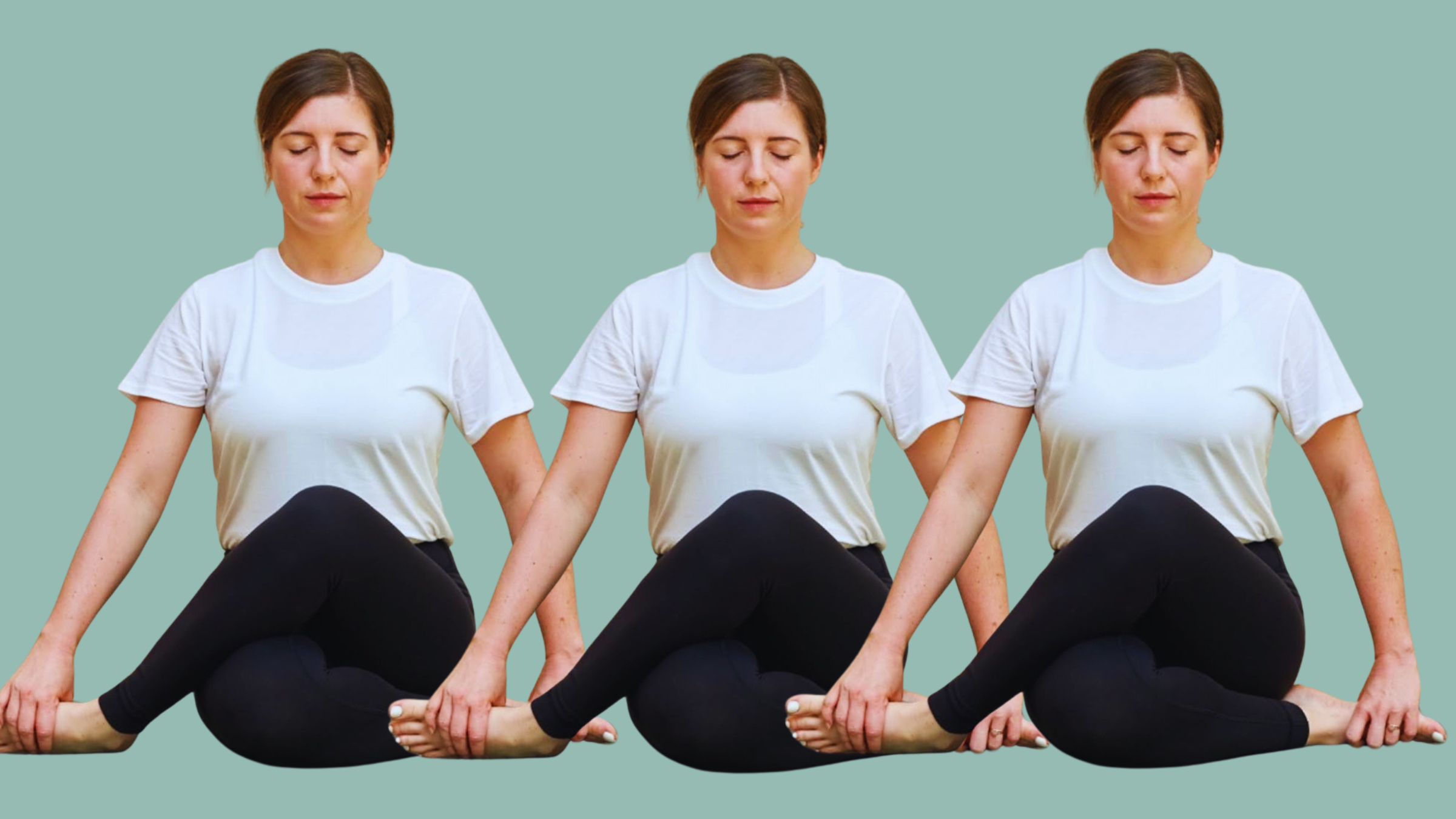
(Photo: Katie McGrath; Design in Canva)
Published October 23, 2026 06:00AM
Calin Van Paris is a YJ editor who is constantly working on keeping her composure. Here, she shares five ways yoga can help you channel equanimity—and vice versa. If you want to start working on your equanimity right now, our array of yin yoga practices are here to help.
When we talk about practicing yoga off of your mat—staying patient in long lines, being kind to snappy strangers, refusing to let your commute kill your vibe—we are essentially talking about equanimity.
Equanimity, or the ability to stay non-reactive, balanced, and generally calm, has roots in ancient yoga teachings. It’s also one of the most common goals of a steady yoga and meditation practice. In many ways, the two pursuits are one and the same.
Samatvam Yoga Uchyate, a verse from the Bhagvad Gita, makes the connection explicit:
“Becoming equipoised/even-minded
Equanimity/evenness of mind
Is called yoga.”
Yoga is proven to ease tension of both body and mind, activating the parasympathetic nervous system, lowering stress hormones including cortisol, and helping you find presence and peace of mind, even in times of discomfort. (The last is literally the entire goal of asana or the physical poses.) All of this serves to make your mind a place where equanimity is actually possible.
While everything about yoga can serve as a pathway to greater equanimity, there are certain moments that lend particularly well to honing this emotional and mental superpower.
Develop Equanimity in Yoga
If any (or all) of the below prove harder than they seem, keep your cool. Being patient with yourself is part of the process.
1. Don’t Ditch the Substitute
Picture it: you arrive at your routine Tuesday evening class only to discover that your favorite teacher is ill and has been replaced by a sub. Rather than duck out and head back home, equanimity asks that you roll out your mat as usual.
This applies to everything that you might find less-than-desirable. Part of maintaining a balance perspective is accepting things as they are, not just as you would like them to be. Temperature, music, your leggings that keep sliding down, the mid-pose groaner next to you—it’s all good. It’s all part of today’s practice.
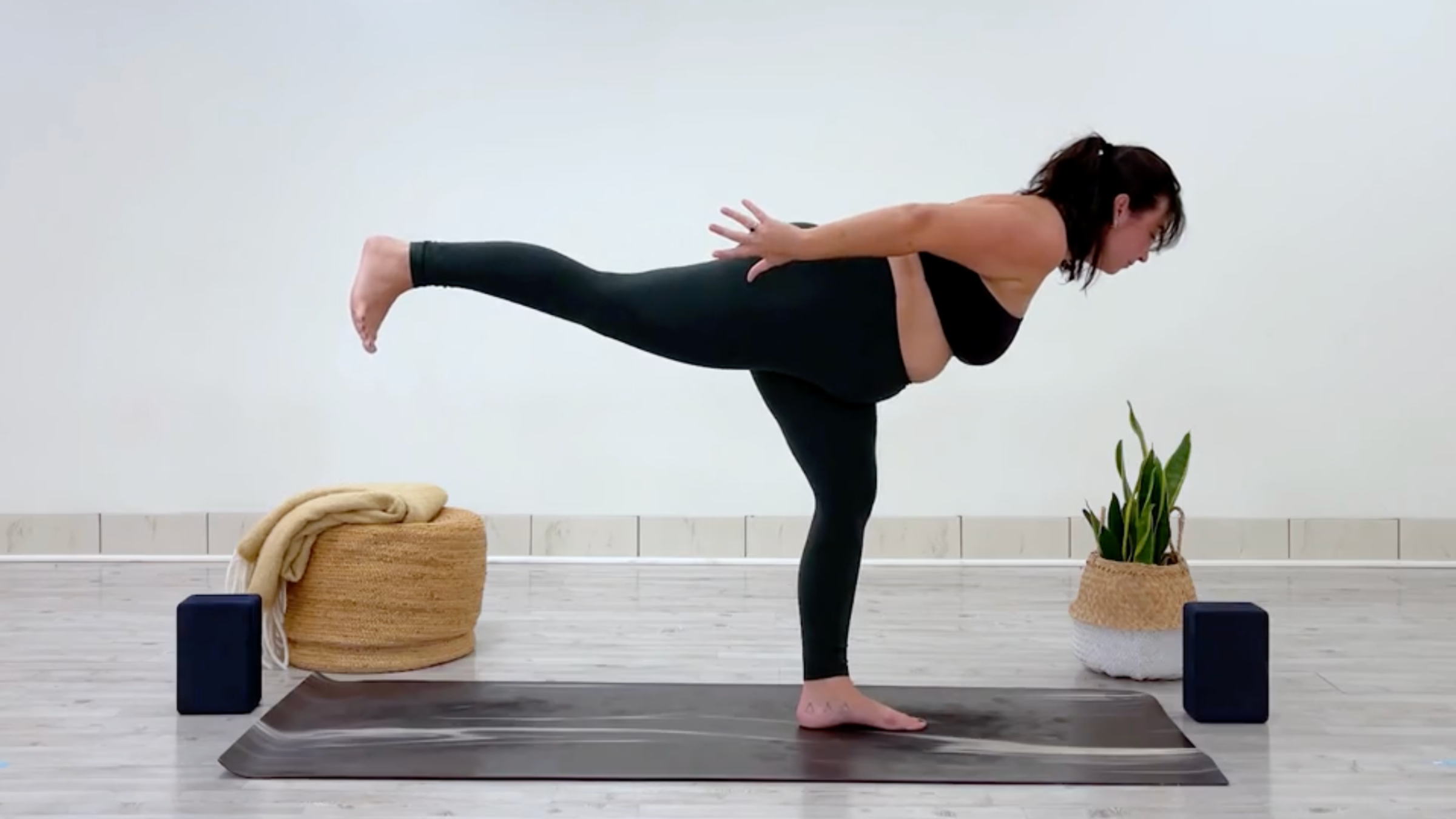
2. Use Props with Pride
Our bodies have limits—and that’s okay. Welcome to the human experience! Accepting the reality that your body can’t bend that way, that things are just a little tighter today, or that that injury could be flaring up again and then backing off from intensity (without making it a big deal) is an example of equanimity.
Using blocks, straps, the wall, or a chair to support your practice also demonstrates this skill. Once you remove your ego from the equation, it becomes clear that relying on yoga props when needed ensures that your practice is in harmony with your body’s needs.
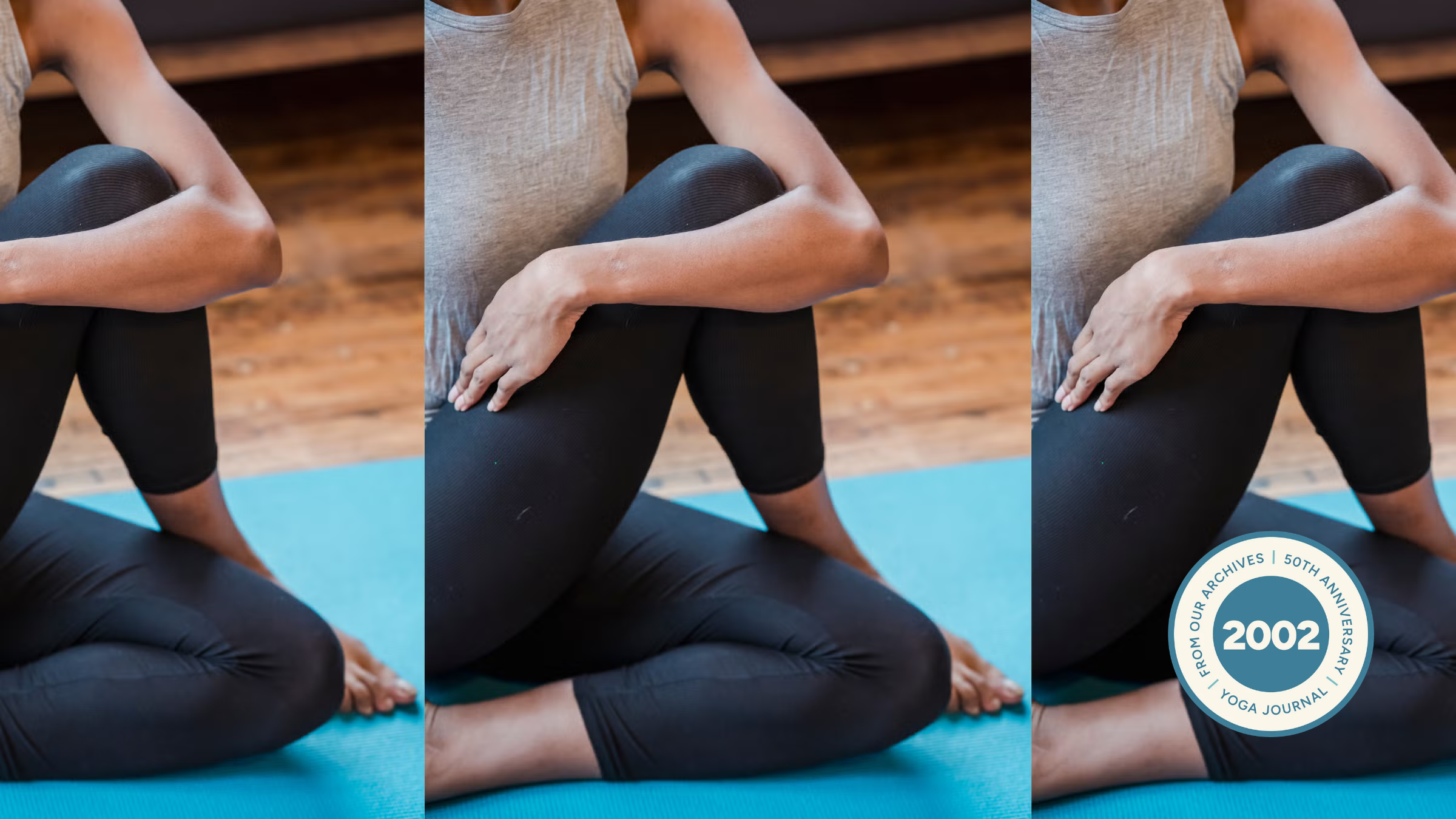
3. Try Yin Yoga
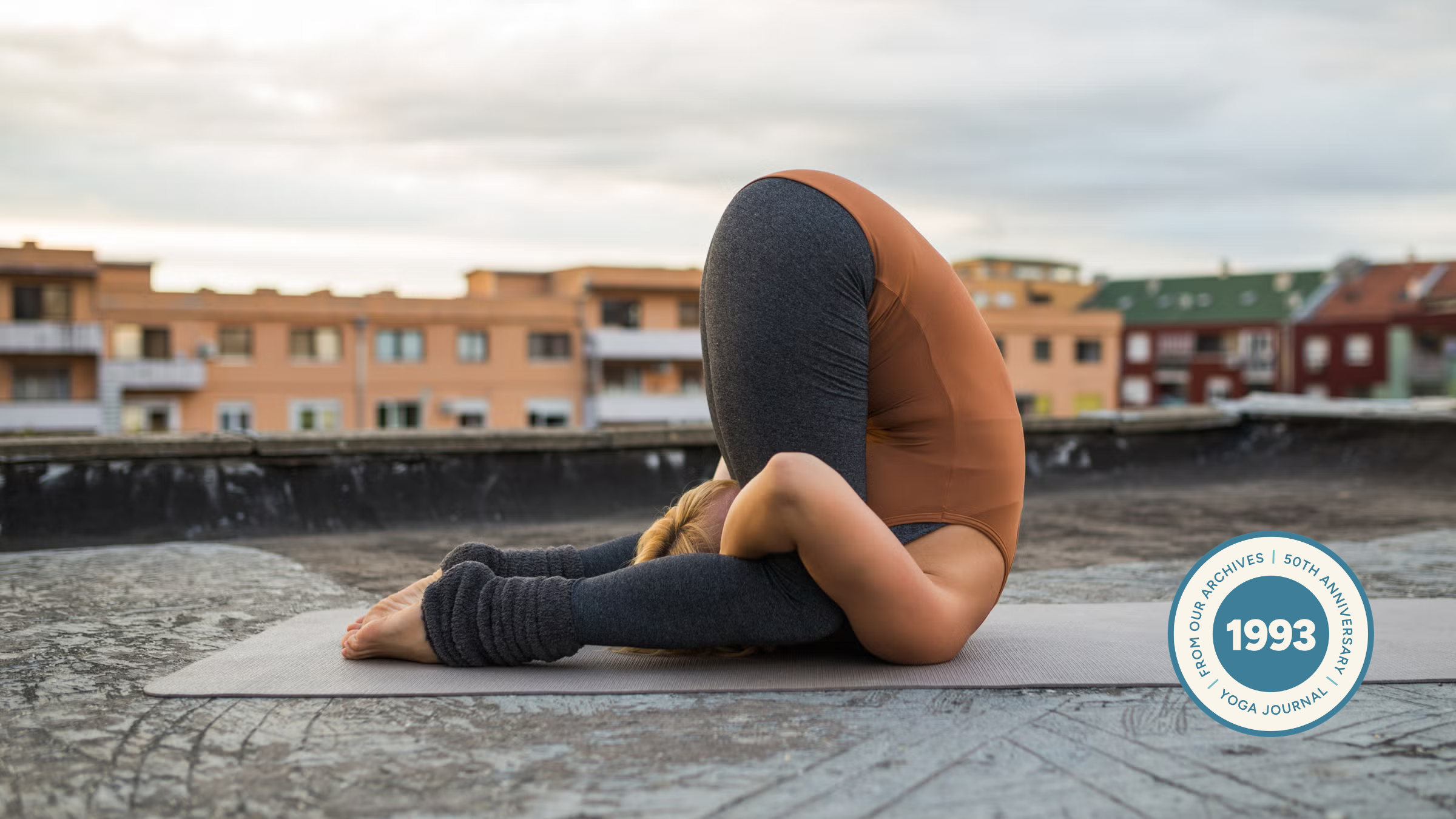
Yin yoga is a style defined, in part, by its extended holds. Yogis typically stay in each yin pose for a minimum of three minutes, though holds of five minutes and even longer are common.
The point of these long, long moments? Learning to find composure in discomfort. This is less about physical endurance and more about the power of the mind. Can you approach any irritation with curiosity? Can you stay a little longer? And when it’s time to pull back, can you do that with grace, too?
4. Silence Your Inner Critic
That little voice that is constantly narrating your every mistake throughout class, critiquing your appearance, and perhaps even judging the students around you? Equanimity doesn’t know her.
True non-reactivity isn’t just about hiding any external signs of unease; it’s an inner thing. Allowing things to just be includes you, your neighbors, and everything else. There’s no need to project.
5. Stay Present
Ultimately, one of the purest ways to practice equanimity (and yoga) is to simply to stay here, now, in the present moment. Come back to your breath, letting go of all the stories you’ve stored from the past and all of the anxieties and dreams you have around your future. It’s all white noise.
The only thing is this, right now, and it’s all okay. And if it’s not, that’s also okay.













 English (US) ·
 French (CA) ·