

 2 weeks ago
20
2 weeks ago
20
PROTECT YOUR DNA WITH QUANTUM TECHNOLOGY
Orgo-Life the new way to the future Advertising by AdpathwayPublished May 19, 2026 10:58AM
When I started teaching yoga almost 20 years ago, I don’t think I was prepared for students to talk. In the classes I’d taken, the teachers were the only ones to speak, and my yoga teacher training focused more on what we’d say—not what we would hear and how to listen.
However, my students did talk. They had questions, they were skeptical or grouchy about what I was asking them to do, and some of them even had complaints. Caught off guard, I didn’t always know what to say in response, and I didn’t always handle their opinions as gracefully as I would have liked in the moment.
But their contributions and even their criticisms, once I was secure enough to accept them, has helped evolve my teaching more than any training, book, or podcast.
12 Things Students Have Said to Me That Changed My Teaching
These are the things that students shared with me that, over time, transformed how I taught.
1. “I can’t hear you.”
So many students told me that I talked too quietly for them to hear cues when I started teaching. Since the music didn’t help, I shut it off and worked on speaking up. Projecting in large rooms takes practice, energy, and some serious diaphragmatic breathing. (I also had to learn to trust that upping my volume didn’t mean aggression, but consideration.) Now they can hear me…and I’m a better breather for it.
2. “What if I can’t do it?”
A new student asked me this at the beginning of class, during a time when I was still nervous as an instructor. It was enlightening to realize that students could be nervous, too—maybe even more than I was. I imagined her asking me the same question about every single pose. So I made sure to give options during that class—and every class I’ve taught since.
3. “Sorry, I’m a doctor.”
A student revealed her career to me after a restorative class in which she’d checked her phone. This certainly caused me to put away any preconceptions I had around using phones in class.
But I was mostly troubled by the fact that I’d explained the parasympathetic nervous system to my students as if I was the only one in the room who understood it. The realization that I had students who knew much more about the body than I did helped me to position myself as a fellow student and collaborator rather than “the expert.” Now, in classes with a discussion component, I make sure to open the door for students to share what they know.
4. “Why are we doing this?”
While I was teaching Crane (Bakasana), a reluctant student asked me this. I responded, “To cultivate a playful spirit and build some arm and core strength.” That was an acceptable answer, but the question challenged me. My takeaway? It’s important to know why I’m teaching whatever it is I’m teaching.
5. “Leave me alone. I don’t want it. I have back stuff going on.”
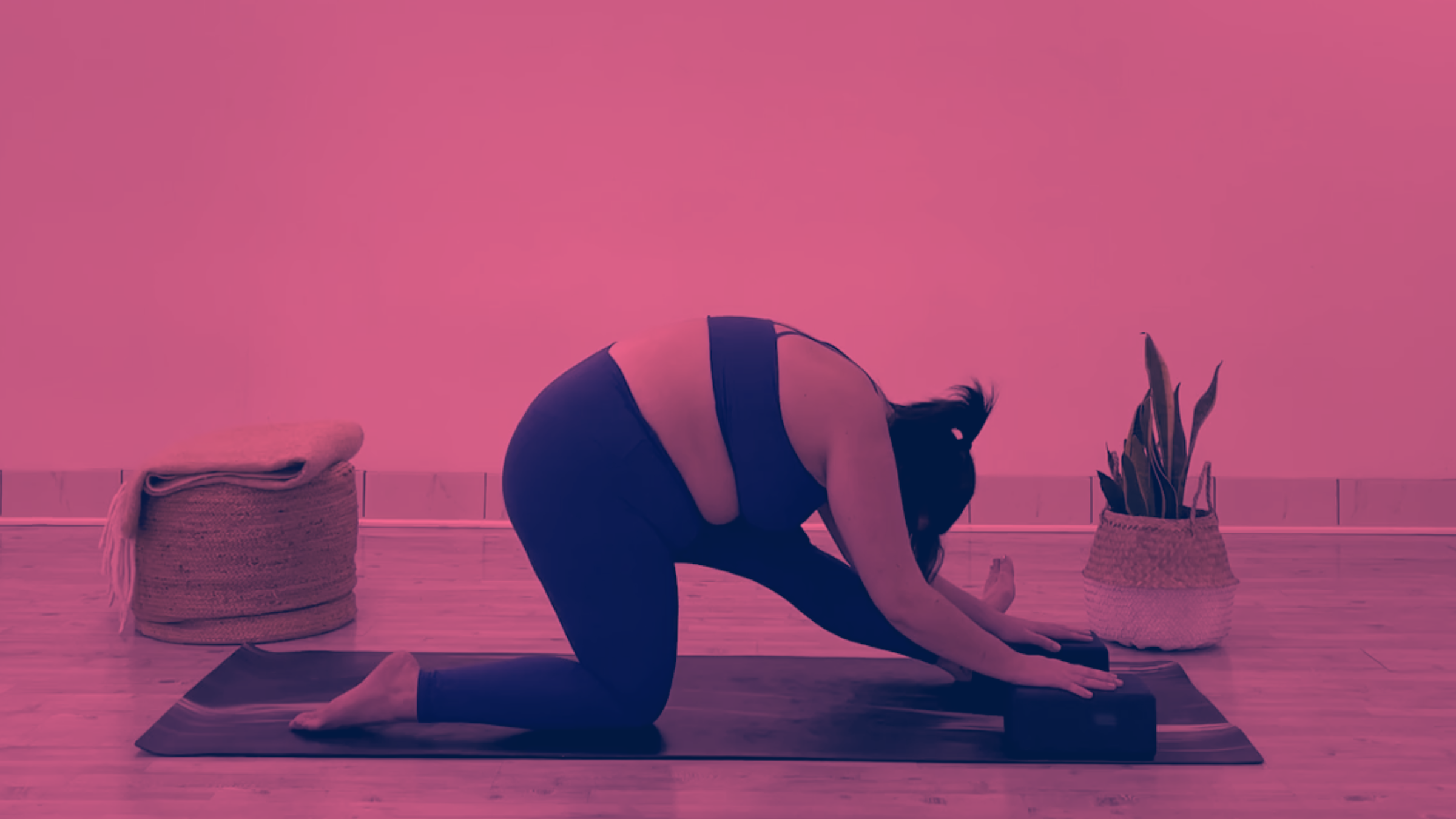
A student once snapped at me when I set a block toward the top of her mat so that she could place her hand on it and lift her torso higher in Lizard Pose (Utthan Pristhasana)—which I thought actually might feel better for her back. It’s possible that she felt singled out or maybe just wanted her own space.
Her response taught me to offer props in subtler ways, including demonstrating how I might use a block and explaining why. And now, before I meddle, I like to find out if my input is the least bit needed or welcome—for instance, by asking if a student is happy where they are.
6. “I feel more anxious when I close my eyes.”
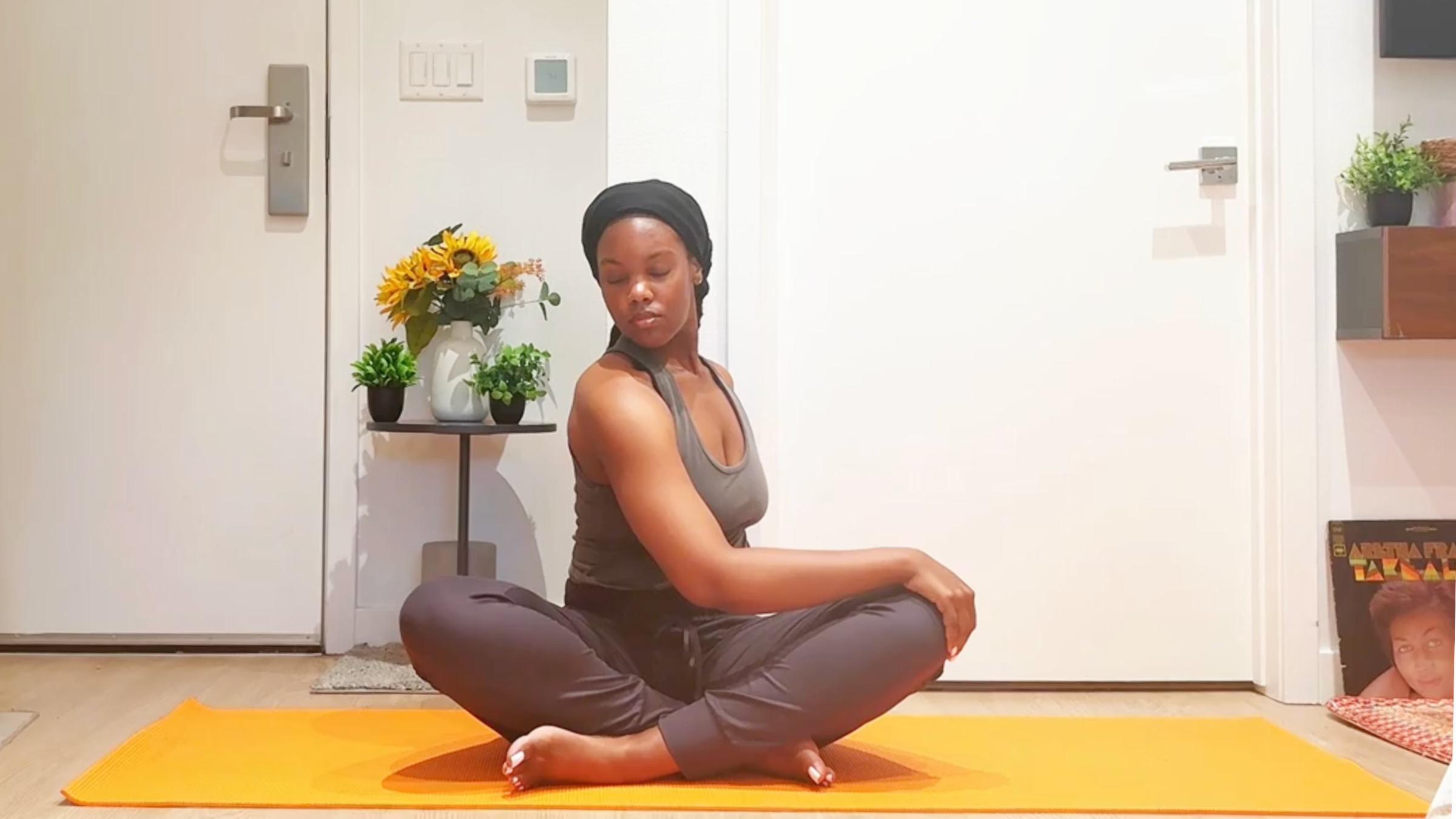
After I taught a Savasana in which I encouraged students to close their eyes, a student explained to me that she felt as if her thoughts went faster with her eyes shut, something that had never occurred to me. This made me realize that students can struggle with even the most common yoga cues, no matter how well-intentioned they are. After that, it was easy for me to start saying, “Close your eyes or soften your gaze” or “Close your eyes if you want.”
7. “Point my knees in the same direction as my middle toes—where they are now, or where they used to be?”
This was a class in which the majority of the students had bunions, and many sets of toes were pointing off to the sides. The student’s query led to widespread laughter. That’s when I realized I was repeating cues I had learned with no attention to the people in the room. I hadn’t been looking at their feet or giving cues that made sense for them.
Since then, I’ve tried to be more aware of the needs of the students in front of me. (“The center of your feet” worked better as a reference point for that group.) But I’ve also learned that there’s nothing wrong with letting students explore what feels good in their bodies without being hyperspecific.
8. “Doing Boat Pose that way bothers my tailbone.”
A student explained that because of a prior tailbone injury, it felt better for her to do Boat Pose (Navasana) sitting more on her upper glutes and rounding her back, as opposed to balancing on her tailbone, straightening her spine, and lifting her chest. What worked for her flew in the face of the “optimal” alignment I’d learned in teaching training.
Over time, students gave me a crash-course in human variation and taught me to allow room for whatever worked for them. “If that’s possible today,” and “If that works for you,” were easy enough taglines to add after alignment cues.
9. “You know that adjustment you gave me yesterday—pressing my shoulder down in that reclining twist? My neck and shoulder hurt now,”
Immediately after a student said this, I felt myself growing defensive. Certainly, I told myself, there was something wrong with her shoulder, not with the hands-on assist I had been taught and administered carefully. Later that night, I was staring at the ceiling, still thinking about her injury, when my guard came down enough for me to accept that perhaps my yoga assists were not foolproof. After all, I didn’t know anything about her body. Since then, I’ve laid off the hands-on assists.
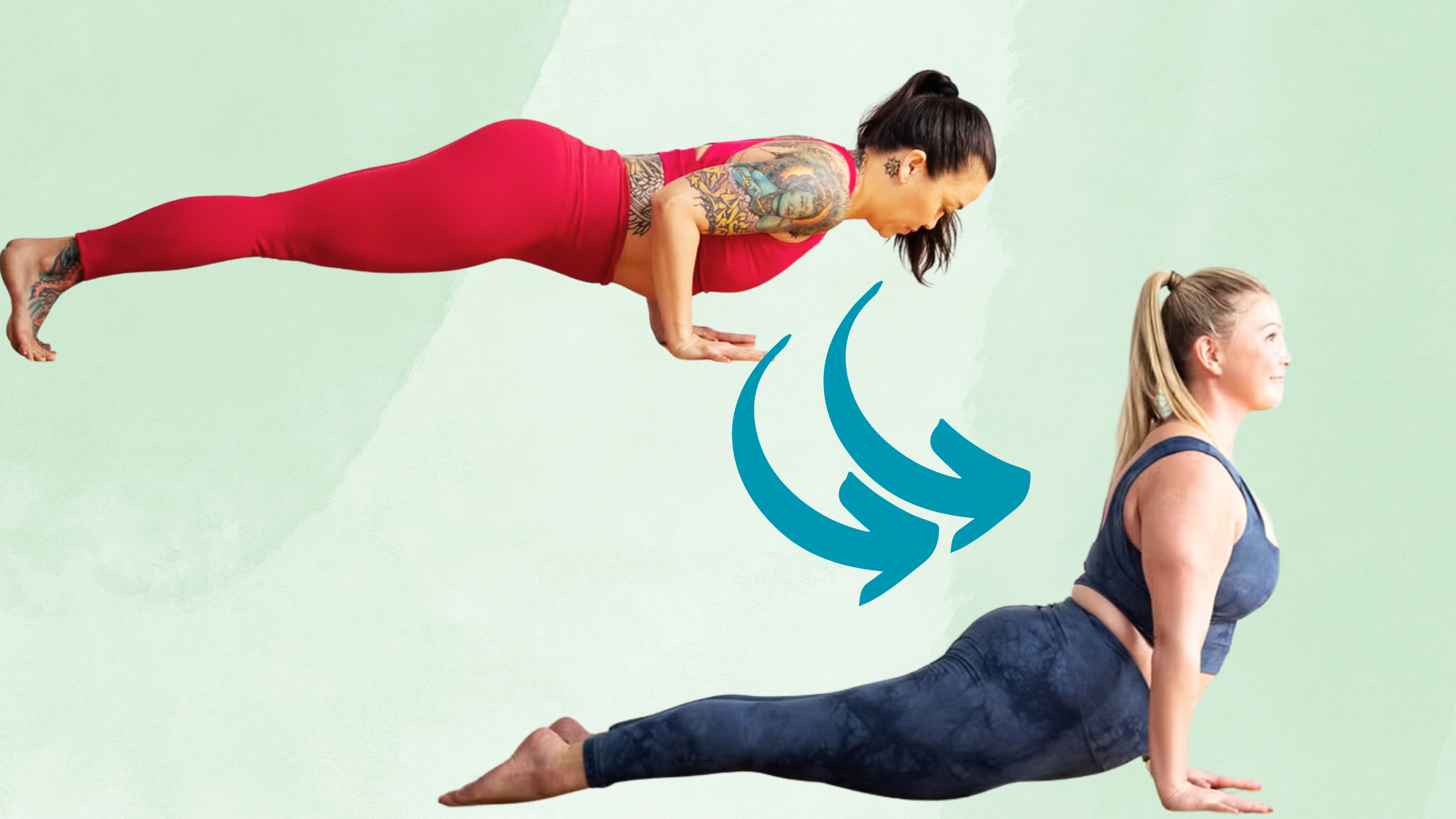
10. “My wrists hurt.” “I have elbow problems; I can’t do all those Chaturangas.” “The jump-back to Chaturanga bothers my shoulders.”
I’d been teaching a vinyasa-heavy class, and I was determined to stick to it, despite a litany of complaints. I gave students the reassurance I’d been given by teachers in the past; I told them that their wrists would get stronger and that working on shoulder and elbow alignment in Chaturanga would help.
But this group of students continued to let me know that their bodies were not feeling good. It took me a long time to admit that teaching dozens of vinyasas wasn’t working for them. It took me even longer to admit that my own left shoulder was not feeling great. I began to do fewer—and slower—vinyasas, and that seemed to help students out. It helped my shoulder, too.
11. “I wonder if you could use fewer words?”
“But words are my strength,” I replied to the student who made this request. I also gave her permission to ignore me or only listen to what I said that was of value or made sense to her.
But once I paused and got honest with myself, I had to admit that maybe all my words weren’t absolutely necessary. Slowly, I began to pare down my verbiage to what I felt would benefit students the most.
12. When a student actually answered all my rhetorical questions!
In a private class with a brand-new student, I asked, as I often did, “Can you feel this stretch in your X or Y or Z?” I didn’t expect a response to these questions, which were meant to focus her awareness. But instead of reflecting silently, she actually responded out loud, telling me if she did feel it there or somewhere else. It was really informative to have a student who was so forthcoming.
That student helped me realize that yoga class can be pretty one-sided. I get it—there are plenty of reasons for encouraging silence, including creating conditions for tuning inward. But, as students have shown me again and again, making room for some give and take can be really valuable.
“Thank you,” I want to say to everyone who has spoken up even when I was not inquisitive or did not make room for their contributions. Also, “I’m sorry. I could have been more receptive than I was.”
At first, I think I was afraid of student feedback because I didn’t want to have to change—to give up a cue or technique I depended on. I’m braver now. Sometimes before class, I find it’s possible to find out what students are hoping to get from class. Sometimes during class, it feels right to open the door to student questions. And sometimes after class, there’s a moment when I inquire what worked for students and what didn’t. This way, class becomes a collaboration, and teachers get to learn something, too…when they’re ready to listen.










 English (US) ·
  French (CA) ·